
Late summer in San Diego tells two different roofing stories. Inland homes have endured months of UV exposure and attic heat. Coastal properties have faced steady marine moisture and salt air. From the street, most roofs look fine. But beneath shingles, tile, or flat membranes, small weaknesses may already be forming.
This is how climate-related damage becomes costly.
Routine roof inspections provide early roof damage detection before minor deterioration turns into leaks, structural repairs, or premature replacement. When inspections are part of a preventative roofing plan, they become the foundation of a smart roof maintenance strategy built specifically for San Diego’s microclimates.
In this guide, you’ll learn:
- How inspections identify climate-related damage early
- What professional inspections include
- When inspections matter most
- How preventative roofing reduces long-term repair costs
- Warning signs that require immediate evaluation
If you want clarity about your roof’s current condition, Guardian Roofs can help.
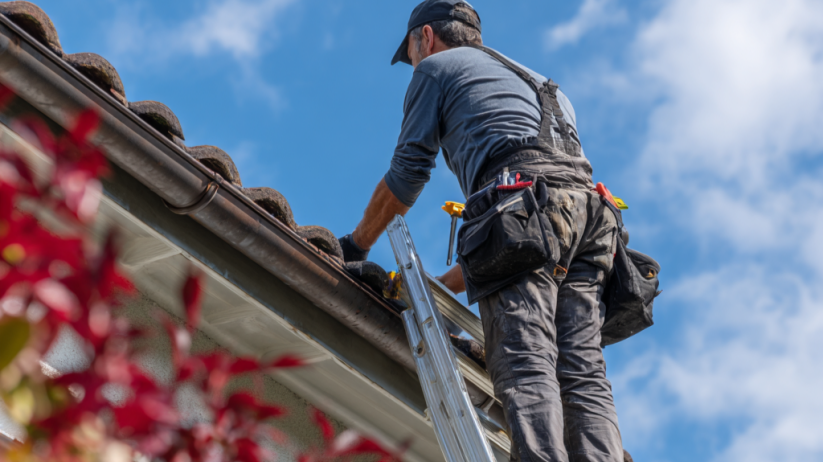
Why Climate-Related Roof Damage Is Often Hidden, and Costly
If you’ve read our pillar guide, “How San Diego’s Microclimates Affect Roofing Performance More Than You Realize,” you know that two homes just miles apart can age very differently.
Coastal homes battle salt corrosion and persistent moisture. Inland properties face UV degradation, extreme attic heat, and thermal expansion.
These stressors rarely cause instant failure. Instead, they weaken flashing, underlayment, fasteners, sealants, and ventilation systems gradually.
By the time a leak becomes visible inside your home, the damage has often been developing for months, or longer.
That’s where roof inspections prevent escalation.
What a Professional Roof Inspection Includes
A thorough roof inspection is not just a visual check from the ground. It is a structured evaluation focused on early roof damage detection.
A professional inspection typically includes:
- Surface material review (shingles, tile, or membrane condition)
- Flashing and penetration inspection (chimneys, vents, skylights)
- Fastener and metal component evaluation (especially important in coastal zones)
- Underlayment exposure assessment
- Ridge cap and edge detail inspection
- Drainage and gutter review
- Attic ventilation and insulation check (critical inland)
- Photo documentation of findings
This checklist allows minor climate-related damage to be identified and corrected before it spreads.
How Roof Inspections Catch Climate-Related Damage Before It Becomes Costly
1. Catching Coastal Corrosion Early
Salt air first attacks flashing, fasteners, and exposed metal. Replacing corroded components early is far less expensive than repairing structural water damage caused by hidden leaks.
2. Detecting Inland UV and Heat Stress
Inland attic temperatures can exceed 130°F. Inspections reveal granule loss, brittle shingles, cracked underlayment, and ventilation deficiencies before full roof sections fail.
3. Identifying Underlayment Breakdown Beneath Durable Surfaces
Tile roofs may last decades, but underlayment beneath them ages faster. Early detection allows for controlled replacement rather than emergency tear-offs.
4. Addressing Wind and Seasonal Wear
Loose ridge caps, lifted shingles, and stressed flat roof seams are easier to correct early. Left alone, they allow moisture intrusion.
The Cost Comparison: Early Detection vs Expensive Repairs
The phrase “before it becomes costly” is not theoretical, it’s financial.
Here’s how inspections directly protect your budget:
| Issue | If Caught Early | If Ignored |
| Flashing corrosion | Minor component replacement | Structural decking repair |
| Small membrane tear | Localized patch | Interior water restoration |
| Ventilation imbalance | Vent upgrade | Premature roof replacement |
| Underlayment wear | Controlled replacement | Full system failure |
Preventative roofing costs are predictable and manageable. Emergency repairs are not.
When Roof Inspections Matter Most
While annual inspections are recommended, certain times are especially important in San Diego:
After Peak Summer Heat (Inland Homes)
Extreme UV exposure and attic heat accelerate aging. Late summer inspections reveal stress before winter weather.
After Coastal Storm Season
Moisture and wind-driven rain can weaken flashing and sealants.
Before Winter Rain
Identifying vulnerabilities before seasonal moisture reduces leak risk.
Before Selling Your Home
A documented inspection strengthens buyer confidence and prevents escrow delays.
Strategic timing supports a proactive roof maintenance strategy.
Signs You Should Schedule an Inspection Immediately
Some warning signs mean you should not wait for your annual checkup:
- Ceiling stains or interior discoloration
- Sudden spike in energy bills (possible ventilation issue)
- Missing or shifted tiles
- Granules collecting in gutters
- Cracked or rusted flashing
- Debris accumulation in roof valleys
These signs often indicate early-stage climate damage that can escalate quickly.
Deep Dive: Why Preventative Roofing Pays Off Long-Term
Material-Specific Climate Risks
Asphalt Shingles
- Inland: UV breakdown
- Coastal: Flashing corrosion
Tile Roofing
- Inland: Underlayment aging
- Coastal: Fastener corrosion
Flat Roofing
- Inland: Heat-driven expansion
- Coastal: Seam stress from moisture
Inspections ensure these risks are addressed early.
Ventilation and Energy Efficiency
Inland homes with inadequate ventilation trap heat, accelerating roof aging and increasing cooling costs. Inspections evaluate airflow balance, protecting both roofing materials and energy efficiency.
Pros and Cons of Preventative Roofing
Pros
- Reduced long-term repair costs
- Extended roof lifespan
- Maintained warranty eligibility
- Lower risk of interior water damage
Cons
- Requires annual planning
- Modest recurring investment
Ignoring inspections, however, often results in significantly higher expenses.
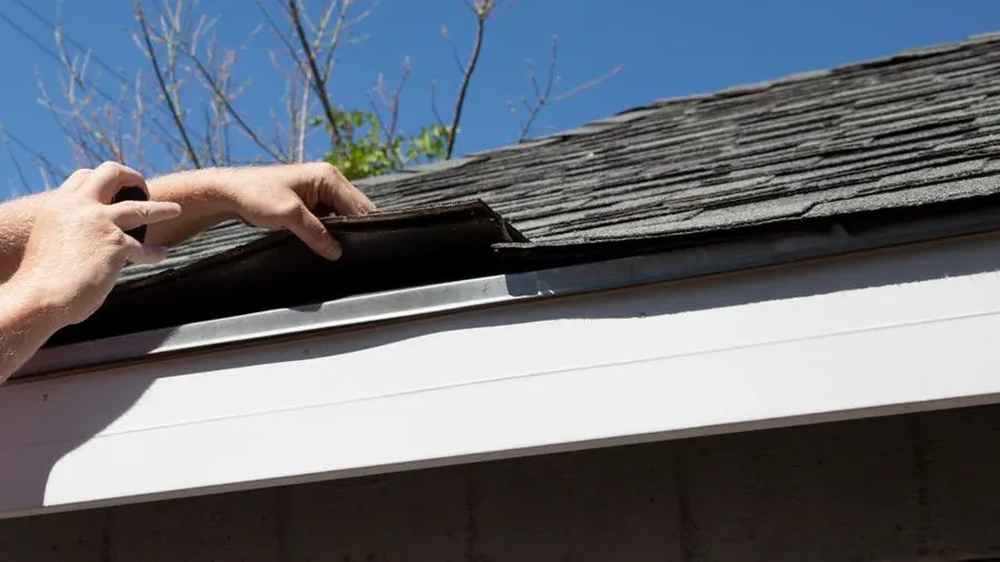
San Marcos Roof Inspection and Preventative Roofing FAQs
Understanding how roof inspections catch climate-related damage before it becomes costly often leads to important practical questions. Below are the most common questions homeowners ask about inspections, early roof damage detection, and preventative roofing in San Marcos.
How often should I schedule roof inspections in San Marcos?
Roof inspections in San Marcos should be scheduled at least once per year. Annual inspections help detect climate-related wear from inland UV exposure, attic heat, or coastal moisture before small issues turn into costly repairs.
Do roof inspections really prevent expensive repairs?
Yes, roof inspections really do prevent expensive repairs. Early roof damage detection allows minor problems, like flashing corrosion or granule loss, to be corrected before they lead to leaks, structural damage, or premature replacement.
Are inspections necessary if my roof looks fine?
Yes, inspections are necessary even if your roof looks fine. Climate-related damage often develops beneath visible surfaces, especially under tile or around flashing, making professional evaluation essential.
What climate-related damage is most common in this area?
UV degradation inland and corrosion near coastal areas are the most common climate-related roofing issues locally. Inspections identify these patterns early, preventing moisture intrusion and system failure.
Will roof inspections help preserve my warranty?
Yes, roof inspections help preserve manufacturer warranty coverage. Documented maintenance and early corrective work reduce the risk of warranty disputes caused by neglected climate-related damage.
Is preventative roofing worth the cost?
Yes, preventative roofing is worth the cost because routine inspections reduce the likelihood of emergency repairs and extend overall roof lifespan. A small annual investment is typically far less expensive than major structural restoration.
Conclusion: Climate Damage Is Predictable, If You Look for It
Climate-related roof damage in San Diego does not happen overnight. It develops gradually under heat, salt air, wind, and seasonal stress.
The difference between a minor repair and a major expense often comes down to whether the problem was identified early.
Roof inspections provide early roof damage detection that prevents small climate-related issues from becoming costly structural failures.
With decades of experience, certified crews, and deep familiarity with coastal and inland roofing conditions, Guardian Roofs delivers thorough inspections designed to protect your investment long-term.
Climate damage in San Diego is predictable. The only unpredictable part is how long it goes unnoticed.
