Roof insurance claims for solar-ready homes are becoming more common as homeowners across San Diego invest in energy-efficient roofing and future solar upgrades. What many property owners do not realize is that roof condition, solar planning, insurance coverage, and long-term roofing performance are all connected. Whether you are dealing with roof damage claims involving solar systems or preparing for future solar installation, understanding the insurance roofing process before problems happen can save significant time, money, and frustration later.
In Southern California, roofing problems rarely appear overnight. Years of UV exposure, coastal moisture, seasonal rain, and thermal expansion gradually wear roofing systems down until leaks or visible damage finally appear. Then homeowners suddenly find themselves trying to answer difficult questions quickly:
Should the roof be repaired or replaced?
Does homeowners insurance for solar roofing systems work differently?
Should solar installation happen before or after roof replacement?
Will insurance help cover solar-ready upgrades?
These are important questions because a solar-ready roof is not just about energy production. It is about protecting a long-term investment correctly from the beginning.
That is what this entire conversation comes down to:
Insurance claims and solar-ready roofs are both tied directly to long-term planning.
Here is what property owners need to understand:
- How the insurance roofing process works after roof damage
- Why roof condition matters before solar installation
- What insurance may or may not cover for solar roofing systems
- How solar-ready upgrades affect replacement planning
- Why timing matters when coordinating roofing work and future solar upgrades
If you want practical guidance from a roofing company focused on long-term protection, quality workmanship, and honest communication, Guardian Roofs can help.
Why Roof Condition Matters Before Solar Installation
One of the biggest mistakes homeowners make when exploring solar upgrades is treating roofing condition and solar installation as separate conversations.
They are not separate.
A solar roofing system still depends entirely on the condition of the roof underneath it. If the roofing system is already aging, deteriorating, or approaching the end of its lifespan, installing solar first can create larger complications later.
This becomes especially important during roof insurance claims for solar-ready homes.
Many homeowners begin researching solar after experiencing roof damage or during insurance-related roof replacement discussions. That timing creates an opportunity to make smarter long-term decisions instead of approaching roofing and energy upgrades as unrelated projects.
That is what smart homeowners ask:
“Does it make sense to install solar on a roof that may need replacement soon?”
In many situations, the answer is no.
A properly planned roofing system should support long-term energy goals instead of creating future removal costs, additional labor, or unnecessary disruptions later. This is one reason solar-ready roofing systems continue gaining attention across San Diego.
You deserve to know the facts before making a major investment. The roof itself still determines long-term system performance.
What Makes a Roof “Solar-Ready”?
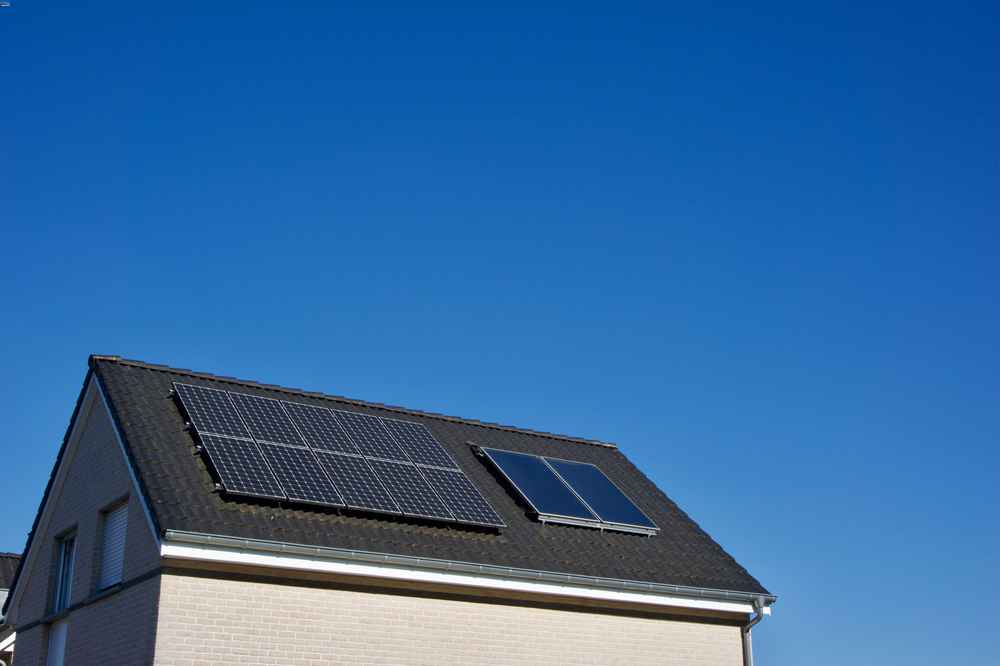
A solar-ready roof is not simply a roof with enough space for solar panels.
A truly solar-ready roofing system is designed to support future solar integration through:
- proper structural planning,
- durable roofing materials,
- ventilation performance,
- waterproofing protection,
- and long-term lifespan considerations.
That distinction matters because insurance claims and solar-ready roofs are not only about replacing damaged shingles. They are about preparing the roofing system for long-term performance before future energy upgrades happen.
Several factors influence whether a roof is considered solar-ready:
Roof Age and Remaining Lifespan
If the roofing system is already nearing replacement age, installing solar first may create unnecessary future costs when the roof eventually needs replacement.
Roof Structure and Design
Roof slope, framing, ventilation layout, and sun exposure all influence solar compatibility and long-term roofing performance.
Material Compatibility
Some roofing systems work better with future solar integration than others. Planning for compatibility during roof replacement creates a more coordinated long-term roofing and energy strategy.
Energy Efficiency Goals
Many homeowners exploring solar-ready roofing systems are also looking to improve overall roofing efficiency through upgraded ventilation, reflective roofing materials, and cool roofing systems.
That connection matters because solar planning works best when the entire roofing system performs efficiently together.
Homeowners interested in broader roofing efficiency strategies can also read our guide on How Your Roof Can Lower Energy Costs Without Changing Your Lifestyle, which explains how ventilation, insulation, and energy-efficient roofing materials work together to reduce long-term utility costs.
Solar-Ready Roofing Does Not Always Mean Solar Is Installed Yet
One area that creates confusion for homeowners is the difference between a solar-ready roof and a fully installed solar roofing system.
They are not the same thing.
A solar-ready roof means the roofing system is designed and installed in a way that supports future solar integration more effectively. That may include:
- selecting longer-lasting roofing materials,
- improving structural support,
- upgrading ventilation systems,
- or coordinating roof replacement timing before future solar installation.
In many situations, homeowners choose to make the roof solar-ready first and install solar later.
That approach often makes financial sense because it allows homeowners to:
- complete roof replacement before solar installation,
- avoid removing solar systems later for roofing work,
- and spread larger investments out over time.
This is one reason roof replacement timing matters so much during the insurance roofing process. The roofing decisions homeowners make today directly affect how easily solar upgrades happen years later.
How the Insurance Roofing Process Works After Roof Damage
The insurance roofing process can feel overwhelming for homeowners who have never experienced roof damage before. Most property owners only file roof insurance claims once or twice over decades of ownership, which naturally creates uncertainty.
The process usually begins after visible roofing damage appears following:
- heavy rain,
- strong winds,
- fallen debris,
- or long-term deterioration exposed during storms.
In California, roof replacement projects tied to insurance claims may also involve code-related roofing upgrades depending on the scope of work. Ventilation improvements, underlayment requirements, and material compatibility standards can all become part of the discussion during larger roofing projects.
This is where experienced roofing guidance matters.
Homeowners need to understand:
- what insurance may cover,
- what upgrades may fall outside policy coverage,
- and how future solar goals fit into the project overall.
The roofing system should not simply solve today’s leak. It should support the property well into the future.
Roof Documentation Helps Protect Homeowners
One of the smartest things homeowners can do before roof damage occurs is maintain organized roofing documentation.
Helpful records include:
- installation dates,
- repair history,
- warranty information,
- material specifications,
- and photographs of the roof before damage occurred.
This becomes especially important during roof damage claims involving solar systems or future solar-ready upgrades because insurance carriers often evaluate roof age, condition, and prior repairs during the claims process.
What Insurance May Not Cover During Solar Roofing Claims
Many homeowners assume insurance automatically pays for every roofing upgrade connected to storm damage or replacement work. That is not always the case.
Homeowners insurance for solar roofing systems typically focuses on restoring covered damage, not funding major upgrades beyond the policy scope.
Coverage limitations may include:
- long-term wear and tear,
- neglected maintenance issues,
- cosmetic damage without functional failure,
- pre-existing roofing problems,
- or solar upgrades beyond standard replacement requirements.
For example, insurance may cover replacing storm-damaged roofing materials, while homeowners may still choose to invest separately in:
- upgraded roofing materials,
- solar-ready improvements,
- ventilation upgrades,
- or integrated solar roofing systems.
This is why insurance claims and solar-ready roofs require careful long-term planning. Property owners should understand which portions of the project are insurance-related and which upgrades are tied to future investment goals.
This is not about pressure or upselling. It is about helping homeowners avoid confusion while protecting long-term roofing performance correctly from the beginning.
What Property Owners Should Do Immediately After Roof Damage
Roof damage creates stress quickly, especially when homeowners are unsure whether insurance claims or future solar planning should happen first.
That is why insurance claims and solar-ready roofs should always begin with a clear, organized process.
Here are the first steps property owners should take after roof damage occurs:
- Document visible roof and interior damage with photographs
- Prevent additional water intrusion if possible
- Avoid climbing onto the roof yourself
- Review your homeowners insurance policy
- Gather roofing records and warranty information
- Schedule a professional roofing evaluation
- Understand the roof’s remaining lifespan before planning solar upgrades
These early steps help homeowners stay organized during the insurance roofing process while protecting future roofing and solar decisions at the same time.
Solar Roofing and Storm Damage Considerations
As solar roofing systems become more common, homeowners are increasingly asking what happens if a solar roof experiences storm damage.
That is an important conversation because roof damage claims involving solar systems can become more complicated than standard roofing claims.
Traditional roofing systems and mounted solar panels often involve:
- separate contractors,
- separate warranties,
- and separate responsibilities.
That can create confusion during repairs or replacement discussions after storm-related damage occurs.
Integrated solar roofing systems simplify some of those concerns because the roofing and energy components are designed to work together as one coordinated structure.
Still, homeowners need to understand how solar roof insurance coverage applies to:
- roofing materials,
- mounted systems,
- integrated solar shingles,
- and associated repair work.
If the roof already has significant wear or storm-related deterioration, replacement before solar installation often creates the smarter long-term path.
Why Timing Matters Before Installing Solar
Roof replacement timing becomes one of the most important financial decisions homeowners make when planning future solar upgrades.
Many homeowners initially focus only on the solar equipment itself. But replacing an aging roof after solar installation can create additional costs because the solar system may need to be removed and reinstalled during future roofing work.
That is why many homeowners now coordinate:
- roof replacement,
- insurance claims,
- and solar-ready upgrades together.
This creates a more efficient long-term strategy.
The goal is not overspending during an insurance claim. The goal is avoiding unnecessary disruption and duplicate labor later.
Real-World Example of Smart Roofing and Solar Timing
We regularly speak with homeowners whose roofs are already approaching replacement age when they begin researching solar installation. In many of those situations, moving forward with solar immediately would create larger costs later once the roof eventually needs replacement.
Instead, homeowners often choose to:
- complete roof replacement first,
- improve ventilation and roofing efficiency,
- prepare the roof for future solar integration,
- and install solar after the new roofing system is fully in place.
That type of planning helps avoid removing and reinstalling solar systems later while protecting the long-term investment more effectively.
Homeowners exploring solar-ready roofing systems often benefit from understanding how systems like Timberline Solar work differently from traditional mounted panels. Our guide on Timberline Solar™ Explained: What Makes a Solar Roof Different from Solar Panels explains how integrated solar roofing systems combine roofing protection and energy generation into one coordinated structure.
That distinction matters because the roof itself becomes part of the long-term energy solution.
Coordinating Roofing Contractors and Insurance Adjusters
Many insurance-related roofing projects become stressful because communication breaks down between property owners, insurance adjusters, and roofing professionals.
That confusion often leads to:
- delayed approvals,
- incomplete expectations,
- and misunderstandings about project scope.
An experienced roofing company helps homeowners understand:
- the actual condition of the roof,
- realistic replacement timelines,
- insurance-related documentation needs,
- and how future solar goals fit into the overall project.
This is especially important for homeowners exploring solar-ready roofing systems because long-term planning decisions may influence:
- material selection,
- ventilation design,
- roof lifespan considerations,
- and future solar compatibility.
This is what quality looks like over time:
A roofing system that protects the home today while supporting future goals tomorrow.
Why Warranty Protection Still Matters During Insurance Roofing Projects
Insurance coverage is important, but warranty protection still plays a major role in protecting long-term roofing investments.
Homeowners should understand the difference between:
- manufacturer warranties covering roofing materials,
- and workmanship warranties covering installation quality.
Improper installation or poor repair practices can create long-term roofing problems that affect both performance and future solar compatibility.
That is one reason certification matters.
Guardian Roofs installs roofing systems backed by strong manufacturer warranties, including up to a 50-year manufacturer warranty through Owens Corning products and a 10-year workmanship warranty on full re-roofs.
This helps homeowners protect:
- the roofing system itself,
- future solar integration potential,
- and the long-term value of the property overall.
Protecting Long-Term Solar Roofing Investments
One of the biggest shifts happening in residential roofing is the move toward long-term investment protection instead of short-term repairs alone.
More homeowners are realizing that roof replacement projects create opportunities to:
- improve roofing efficiency,
- support future solar integration,
- reduce long-term operating costs,
- and strengthen overall property value.
That is especially true in San Diego, where sunlight exposure remains consistent throughout most of the year.
Benefits of Solar-Ready Roofing Systems
Solar-ready roofing systems help homeowners:
- simplify future solar installation,
- avoid removing newer roofs later,
- improve long-term property planning,
- and support energy-efficiency goals.
Protecting the roofing system also helps protect the future solar investment itself. A poorly timed roof replacement can increase long-term ownership costs and create avoidable disruptions later.
Potential Drawbacks to Consider
Like any major roofing investment, solar-ready planning also requires realistic expectations.
Potential considerations include:
- higher upfront roofing costs,
- structural evaluations for solar compatibility,
- and careful material selection during replacement planning.
That is why roof condition evaluation remains one of the most important parts of long-term solar planning. The right roofing strategy depends on:
- the property itself,
- the homeowner’s goals,
- and the condition of the roof supporting the future system.
Common Questions About Insurance Claims and Solar-Ready Roofs in San Diego
When homeowners begin researching insurance claims and solar-ready roofs, they usually want clear answers before making expensive long-term decisions. Questions about roof condition, insurance coverage, replacement timing, and future solar upgrades all play a role in protecting the home properly. These are some of the most common concerns property owners ask before moving forward.
Does homeowners insurance cover solar roofs?
Yes, homeowners insurance often covers solar roofs when damage is caused by covered events like storms, wind, or falling debris. Coverage depends on the insurance policy, the type of solar system installed, and the overall condition of the roofing system. Homeowners should review policy details carefully because integrated solar roofing systems and mounted solar panels may be handled differently by insurance carriers.
Can I install solar after an insurance roof claim?
Yes, homeowners can install solar after an insurance roof claim, and many property owners choose to coordinate solar-ready upgrades during roof replacement. This approach often makes more financial sense because it allows the new roofing system to support long-term solar integration without needing future tear-offs or system removal later.
What happens if a solar roof is damaged in a storm?
If a solar roof is damaged in a storm, the insurance roofing process may involve evaluating both the roofing materials and the solar components separately. Integrated solar roofing systems may simplify some coordination because the roofing and energy systems are designed together, while mounted solar panels may involve separate contractors, warranties, and repair timelines.
Should I replace my roof before installing solar?
Yes, replacing an aging roof before installing solar is often the smarter long-term decision. The roofing system underneath still determines how well the entire solar setup performs over time. Installing solar on a roof nearing the end of its lifespan can create additional labor and removal costs later when replacement eventually becomes necessary.
Will insurance pay for a solar-ready roof upgrade?
Insurance may help cover restoration costs tied to roof damage claims, but solar-ready upgrades are often considered separate improvements beyond standard replacement requirements. Many homeowners use insurance-related roof replacement projects as an opportunity to improve ventilation, upgrade materials, and prepare the roof for future solar integration.
Do solar shingles affect homeowners insurance coverage?
Yes, solar shingles can affect homeowners insurance coverage depending on how the roofing system is classified within the policy. Some insurers treat integrated solar roofing systems differently than mounted solar panels because the roofing material itself generates electricity. Homeowners should confirm how coverage applies before installation begins.
How do roof insurance claims work after storm damage?
Roof insurance claims after storm damage usually begin with documenting visible damage, filing a claim, and meeting with an insurance adjuster to review repair or replacement needs. The insurance roofing process may also involve evaluating code requirements, roof age, material condition, and future roofing performance before final decisions are made.
How do I know if my roof is ready for solar integration?
You know if your roof is ready for solar integration by evaluating its structural condition, remaining lifespan, ventilation performance, and sun exposure. A professional roofing evaluation helps determine whether the roofing system can support long-term solar upgrades without creating future replacement complications.
Final Thoughts: Insurance Claims and Solar-Ready Roofs Require Long-Term Planning
Insurance claims and solar-ready roofs are not separate conversations. Both are tied directly to long-term property protection, roofing performance, and future investment planning.
For homeowners considering future solar upgrades, roof condition and replacement timing matter significantly. A properly planned roofing project can support energy efficiency, simplify future solar integration, and help avoid unnecessary costs years later.
Guardian Roofs brings 36 years of experience, industry-leading certifications, quality workmanship, and clear communication to every roofing project. From roof damage claims involving solar systems to long-term solar-ready planning, our team helps homeowners make informed decisions with confidence.
If you are navigating roof insurance claims or exploring solar-ready roofing options, schedule your free estimate today.
