
Tile roofs are built for long service life, which is one reason they’re so common across San Diego County. But the clay or concrete tile you see from the street isn’t the only thing keeping rain out of your home. Beneath those tiles is underlayment, a protective layer that helps keep water from reaching the roof deck when moisture gets past the surface.
That matters during atmospheric rivers. Sustained, wind-driven rain can move beneath cracked tiles, collect in valleys, reach flashing transitions, and expose weak areas that stayed quiet through months of dry weather. If the underlayment has become brittle, torn, or compromised, a roof that looks perfectly acceptable from the ground can suddenly leak.
For San Diego homeowners, preparing for heavy rain means looking beyond the visible tile. The real question is whether the entire roofing system beneath it is still capable of managing water.
What San Diego Tile Roof Owners Should Know
- Why tile isn’t the roof’s only water-protection layer
- How San Diego weather can age hidden underlayment
- Which warning signs deserve attention before heavy rain
- When a broken tile can be repaired without larger roof work
- What affects tile roof underlayment replacement costs
- When a lift-and-relay may make sense
- How to prepare before an atmospheric river arrives
Tile Sheds Water, but Underlayment Backs It Up
Clay and concrete tiles shed most of the rain that reaches your roof, but water can still move beneath them during prolonged or wind-driven storms. Underlayment provides an important secondary barrier before moisture reaches the roof deck. When that hidden layer deteriorates, otherwise manageable problems such as cracked tiles, aging flashing, or debris-filled valleys can become much more serious.
Why Atmospheric Rivers Put Older Tile Roofs Under More Pressure
A quick San Diego shower and a prolonged atmospheric river don’t test a roof in the same way.
Long periods of rain continually send water across tiles, through valleys, around penetrations, and toward roof edges. Wind can also push moisture into areas that stay relatively protected during lighter rain.
That doesn’t mean an atmospheric river automatically damages a healthy roof. More often, heavy rain reveals weaknesses that were already present.
Common trouble areas include:
- Cracked, slipped, or missing tiles
- Aging or damaged underlayment
- Worn flashing around walls, vents, and chimneys
- Valleys blocked by leaves or palm debris
- Previous repair areas that are no longer watertight
- Roof penetrations around plumbing vents, skylights, or solar equipment
This is why a leak that appears during a major storm isn’t always a new problem. The rain may simply be the first time an existing weakness is exposed to enough water to become visible inside the home.
Why San Diego Weather Can Age the Roof Beneath the Tile
San Diego isn’t known for constant rainfall, but dry weather doesn’t mean roofing materials stop aging.
Sun and Heat Affect More Than the Tile
Roofing systems experience years of sun exposure and temperature changes. Clay or concrete tiles may remain serviceable for a long time, while the materials beneath them continue to age.
Depending on the underlayment material, installation quality, roof design, ventilation, and exposure, the hidden waterproofing layer may lose flexibility or become more vulnerable over time.
That’s one of the most important things to understand about older tile roofs:
The tile and the underlayment don’t necessarily age at the same rate.
A roof can still have attractive, reusable tile while the protective materials underneath need attention.
Long Dry Periods Can Hide Problems
Underlayment problems are easy to overlook when there hasn’t been sustained rain.
Then a larger storm arrives. Water finds a cracked tile, moves around an aging flashing detail, or backs up in a debris-filled valley. Suddenly, the first clue is a ceiling stain or active drip.
The storm may reveal the problem, but deterioration beneath the surface could have been developing for years.
Coastal and Inland Homes Face Different Conditions
Roofing conditions also vary across San Diego County. Inland areas such as Escondido experience significant heat and sun exposure, while coastal communities such as Carlsbad deal with marine air, moisture, and different daily temperature patterns.
There isn’t a single age at which every tile roof needs underlayment work. Roof age provides context, but actual condition should drive the decision.
Warning Signs Your Tile Roof Needs Attention Before Heavy Rain
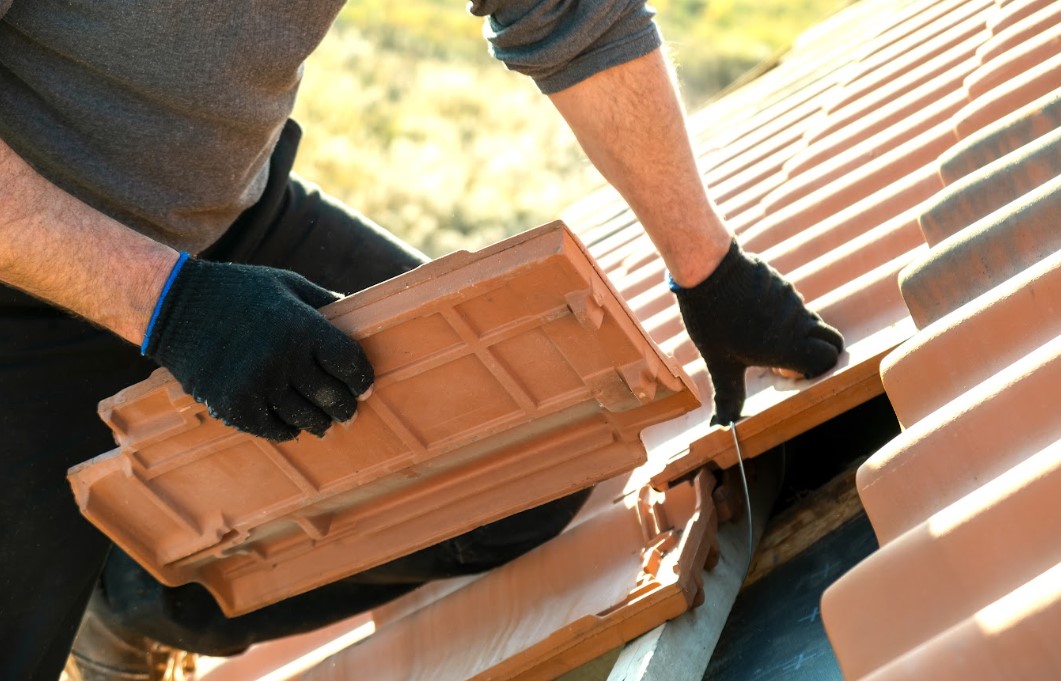
You usually can’t accurately evaluate the underlayment from the ground, and homeowners shouldn’t lift tiles themselves. Still, several warning signs can tell you it’s worth having the roof checked.
Broken or Displaced Tiles
One broken tile doesn’t automatically mean the roof needs major work, but it can expose the materials underneath to more direct weather.
If you’re scheduling a broken-tile roof repair in Escondido, the repair should include more than just replacing the visible tile. The roofer should evaluate the surrounding underlayment, nearby tiles, and relevant flashing to see whether the damage is truly isolated.
Previous Ceiling Stains or Leaks
An old ceiling stain matters even if it’s currently dry.
Water can travel along roof decking, framing, or other materials before becoming visible indoors, so the location of a stain doesn’t always identify the exact entry point.
If your home has leaked before, heavy rain shouldn’t be the test of whether the underlying cause was actually corrected.
Debris in Valleys and Drainage Areas
Roof valleys handle concentrated water flow. Leaves, dirt, twigs, and palm debris can interfere with that movement and redirect moisture into places it shouldn’t go.
Keeping drainage paths clear before storm season reduces unnecessary stress on tiles, flashing, and underlayment.
Repeated Repairs
Occasional isolated repairs are normal on many roofs. A pattern of recurring leaks or repairs in multiple areas deserves a closer look.
At that point, the more useful question becomes whether you’re repairing individual problems or repeatedly treating symptoms of a larger underlying issue with the underlayment or flashing.
Repair the Tile or Replace the Underlayment?
Not every roof problem requires the same solution.
A focused tile repair may be appropriate when:
- Damage is limited to a small area
- Nearby tiles remain secure
- The underlayment in that area is still serviceable
- Flashing is functioning properly
- There isn’t a history of widespread leakage
Broader underlayment work may make more sense when:
- Leaks are appearing in multiple locations
- Repairs are becoming frequent
- Underlayment is deteriorated across larger sections
- Flashing throughout the roof also needs attention
- The tile remains usable, but the waterproofing beneath it does not
The goal shouldn’t be to choose the smallest repair or the largest project automatically. It should be to identify what has actually failed and correct that problem.
What Affects Tile Roof Underlayment Replacement Cost in San Diego?
Homeowners researching the cost of replacing tile roof underlayment in San Diego often want a simple per-square-foot number. In practice, several parts of the roof can affect the final proposal.
Important factors include:
- Roof size and pitch
- Number of slopes, valleys, and transitions
- Clay versus concrete tile
- How much existing tile can be reused
- Number of broken tiles requiring replacement
- Condition of the roof deck
- Flashing around walls, chimneys, skylights, and vents
- Underlayment material selected
- Property access
- Applicable code requirements
- Hidden damage uncovered after tiles are removed
This is why two similarly sized tile roofs can have very different scopes of work.
A useful roofing proposal should explain what will be removed, what can be reused, what needs to be replaced, and how flashing and waterproofing details will be addressed. Comparing only the bottom-line price can leave out the parts of the project that determine long-term performance.
When a Tile Roof Lift-and-Relay Makes Sense
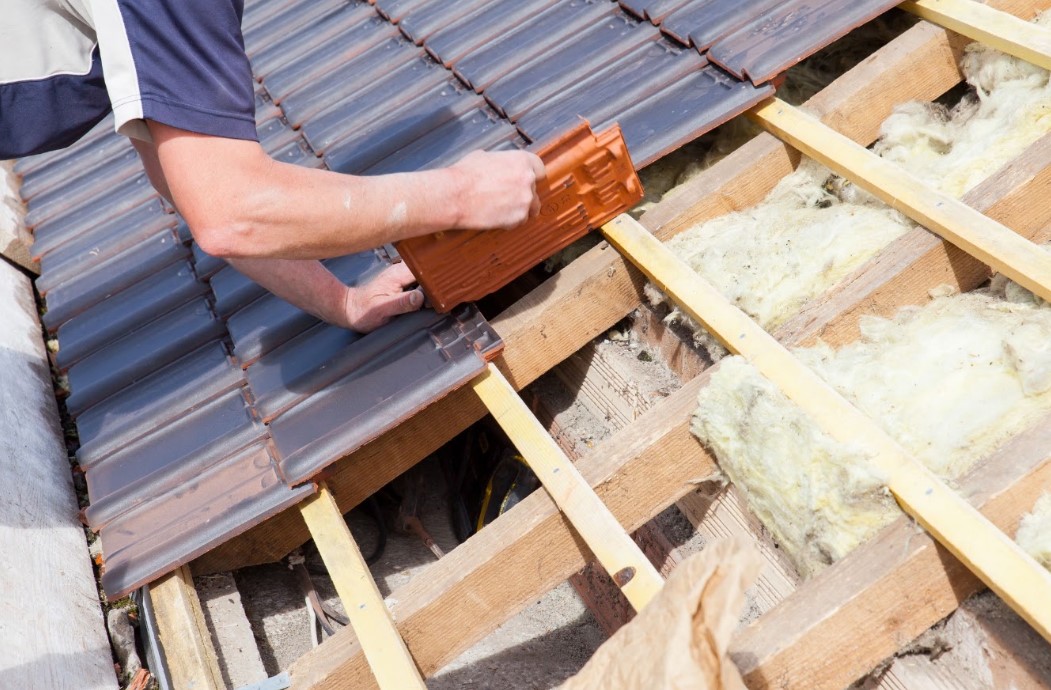
If existing clay or concrete tiles are still serviceable but the underlayment underneath has deteriorated, a lift-and-relay may be worth considering.
The process generally involves carefully removing the existing tile, accessing the roof system beneath it, replacing deteriorated underlayment and any necessary flashing, and reinstalling reusable tiles.
A project may include:
- Removing and organizing existing tile
- Removing old underlayment
- Evaluating accessible decking
- Repairing damaged decking when necessary
- Installing new underlayment
- Updating flashing details
- Reinstalling serviceable tile
- Replacing broken or unsuitable pieces
This can allow homeowners to preserve usable roofing material instead of assuming every tile must be discarded.
The important part is determining whether the existing tile is genuinely suitable for reuse. A tile shouldn’t go back on the roof simply because it can be physically reinstalled.
Does the Type of Underlayment Matter?
Yes, but there isn’t one underlayment that’s automatically right for every San Diego tile roof.
Older homes may have traditional asphalt-saturated felt, while newer roofing assemblies may use synthetic or self-adhering products. Each category has different performance characteristics and installation requirements.
Material selection should consider the roof’s slope, tile system, exposure, manufacturer requirements, applicable codes, and waterproofing needs.
More importantly, the roof should be treated as a complete system. Even high-quality underlayment can’t correct poorly installed flashing, damaged penetrations, or improper water management elsewhere on the roof.
Emergency Leak Prevention in Carlsbad Starts Before the Rain
Homeowners looking for emergency leak prevention in Carlsbad will usually have more options before the storm begins than after water starts entering the home.
Before forecasted heavy rain:
- Look from the ground for visibly broken or displaced tiles
- Pay attention to areas where the roof has leaked before
- Keep safe, accessible drainage areas clear
- Move valuables away from known interior leak locations
- Have existing roofing concerns evaluated during dry weather
Don’t climb onto a wet tile roof yourself. Tile can become extremely slippery, and walking improperly on clay or concrete roofing can cause additional breakage.
Guardian Roofs doesn’t provide 24/7 emergency roofing service. If you already know your roof has a vulnerable area, addressing it before severe weather is the better strategy.
How to Choose a Tile Roofer for Underlayment Work
A search for the best local tile roofers in California may give you plenty of options. Still, underlayment work requires more specific questions than simply asking whether a company installs tile.
Before hiring a roofer, ask:
- How often do you repair clay and concrete tile roofs?
- Can existing tiles be reused?
- What underlayment are you recommending and why?
- How will valleys and flashing be handled?
- What happens if damaged decking is uncovered?
- What workmanship warranty applies?
- Will the proposal explain necessary work separately from optional upgrades?
You’re hiring someone to work on a complete water-management system, not simply replace the surface material.
Why Guardian Roofs Takes a System-First Approach
Guardian Roofs has decades of experience working on Southern California roofing systems, including tile roofs throughout San Diego County.
Our goal is to determine what’s actually causing the problem before recommending the work. A cracked tile may need a straightforward repair. An older roof with widespread deterioration of the underlayment may require a more comprehensive solution.
Guardian Roofs is an Owens Corning Platinum Preferred Contractor and a GAF Master Elite Contractor, and we’re BBB-accredited with an A+ rating. Full re-roofs include a 10-year workmanship warranty, and qualifying Owens Corning systems may include up to 50 years of manufacturer coverage. Financing options are also available for many projects.
Most importantly, homeowners receive a clear proposal outlining the recommended scope of work before work begins.
Common Questions About Tile Roof Underlayment in San Diego
Tile roof problems are not always easy to diagnose from the ground, especially when the most important waterproofing layer is hidden beneath the surface. These common questions can help San Diego homeowners better understand when underlayment, tile repairs, or a broader roofing evaluation may be needed.
Can a tile roof leak even if none of the tiles look broken?
Yes. Water can enter around valleys, flashings, roof penetrations, hidden damaged tiles, or other transitions. If the underlayment underneath has deteriorated, the roof can leak even when much of the visible tile looks fine.
How do I know whether my underlayment is failing?
Recurring leaks, old ceiling stains, displaced tiles, repeated repairs, or an aging roofing system can all justify a closer evaluation. A roofer may need access beneath portions of the tile to assess the underlayment directly.
Does one broken tile need to be repaired quickly?
It should be addressed because the opening can increase exposure of the roofing materials below. That doesn’t automatically mean the entire roof needs to be replaced. The surrounding tile, underlayment, and flashing should be evaluated first.
Can existing roof tiles be reused?
Sometimes. Serviceable clay or concrete tiles may be reused during a lift-and-relay project. Damaged or unsuitable tiles should be replaced rather than automatically reinstalled.
How much does tile roof underlayment replacement cost in San Diego?
Costs vary based on roof size, pitch, access, tile type, underlayment selection, flashing work, tile reuse, and whether decking damage is found. A site-specific estimate is more useful than a generic price range.
Should I wait for a leak before replacing the underlayment?
Not necessarily. If the roof has recurring problems or there are concerns about deteriorated underlayment, evaluating the system during dry weather gives you more options before water reaches the interior.
Are atmospheric rivers especially hard on older tile roofs?
Sustained heavy rain can expose existing weaknesses in an aging roofing system. The storm doesn’t necessarily create the underlying problem, but it can reveal deteriorated underlayment, flashing issues, drainage problems, or past repairs that haven’t been tested by prolonged rainfall.
Know What’s Under Your Tile Before Heavy Rain Arrives
A tile roof can look solid from the street, even as one of its most important water-protection layers deteriorates beneath.
If you’ve noticed broken tiles, previous leaks, repeated repairs, or signs that your older tile roof hasn’t been evaluated in years, dry weather is the right time to find out what’s happening.
Guardian Roofs serves homeowners throughout San Diego County, including San Marcos, Escondido, Carlsbad, Encinitas, and nearby communities. We’ll evaluate the roof, explain what needs attention, and provide a clear proposal based on the system’s condition.
Schedule your free estimate with Guardian Roofs before the next period of heavy rain puts your tile roof’s underlayment to the test.
