
Roofing for HOAs, apartments, and multi-family properties is different. Not slightly different. Fundamentally different.
When you replace the roof on a single home, you are solving one family’s problem. When you take on multi-family roofing in San Diego, you are protecting dozens or even hundreds of residents, a shared financial reserve, and a board’s fiduciary responsibility.
That changes how decisions are made. It changes how projects are structured. And it changes what matters most.
At Guardian Roofs, we have spent 36 years serving communities across San Marcos and greater San Diego County. From HOA roofing systems to large-scale apartment roofing and property management roofing projects, we understand what separates a smooth capital improvement from a costly mistake.
In this guide, we will walk through:
- What multi-family roofing really means
- Why HOA roofing systems require a different structure
- How budgeting and lifecycle planning shift at scale
- How to evaluate bids responsibly
- Why the lowest bid can increase long-term costs
- How to manage disruption in occupied communities
- A practical checklist your board can use
Let’s start with the foundation.
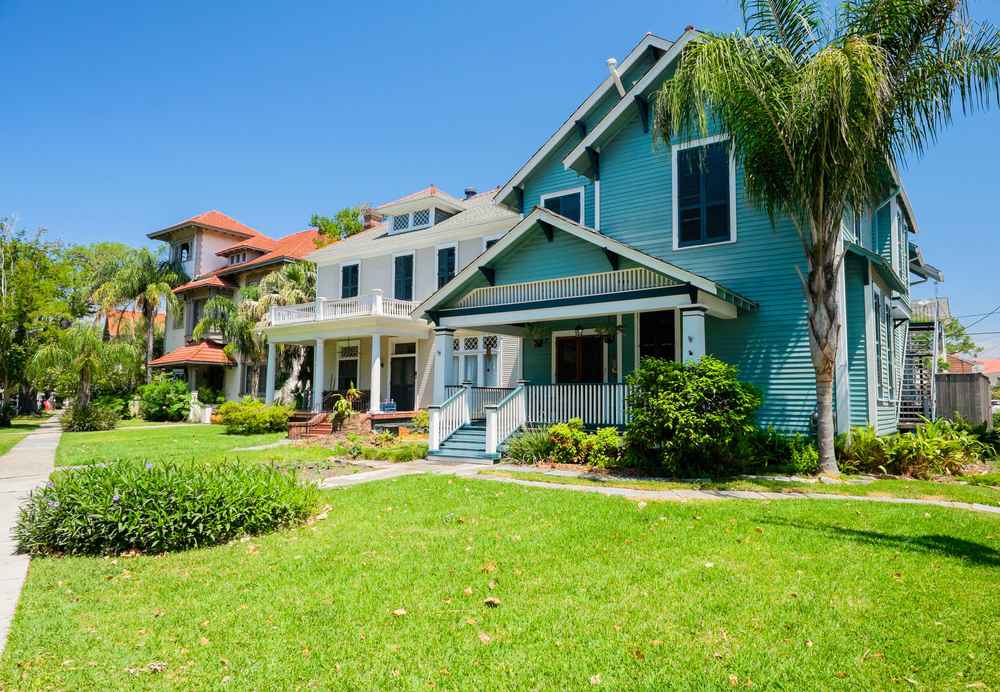
What Is Multi-Family Roofing?
Multi-family roofing refers to roofing systems that serve multiple residential units under shared ownership or association governance. That shared structure is the defining difference.
Unlike residential roofing, multi-family roofing requires coordinated budgeting, board-level approvals, reserve study alignment, formal documentation, and resident communication plans.
In San Diego, environmental conditions add another layer of complexity. High UV exposure, seasonal heavy rain, coastal air in certain areas, and Title 24 cool roof requirements all influence how HOA roofing systems and apartment roofing must be installed and maintained.
So before we talk about materials or warranties, we have to understand the structural difference: shared responsibility changes everything.
Governance Is What Makes It Different
Here is where the shift becomes clear.
Residential roofing is a personal decision.
Roofing for HOAs and apartments is a governance decision.
Board members have a fiduciary duty to protect common assets. That means every multi-family roofing decision must consider long-term financial impact, reserve health, liability exposure, and documentation integrity.
Property management roofing in San Diego involves formal bid review, collective voting, insurance verification, vendor qualification, and often phased scheduling. These layers of oversight are not obstacles. They are safeguards.
And they are one of the core reasons roofing for shared properties requires a different level of discipline.
Residential Roofing vs HOA Roofing Systems
Now that we understand governance, the contrast becomes even clearer.
In residential roofing:
- One homeowner
- One budget
- One approval
In HOA roofing systems and apartment roofing:
- Multiple stakeholders
- Shared reserve funding
- Increased liability exposure
- Long-term capital forecasting
This is why roofing for multi-family properties is not just about installation. It is about asset management.
The contractor you select is not simply replacing a roof. They are helping you protect a collective investment.
Budgeting and Lifecycle Planning: Thinking Beyond Today
Because roofing for HOAs involves shared reserves, timing matters just as much as workmanship.
Homeowners often replace roofs reactively. Multi-family roofing must be proactive.
The 25 to 50 Year Lifecycle of a Multi-Family Roof
Years 0 to 5
Under manufacturer and workmanship warranty. Annual inspections establish baseline documentation.
Years 5 to 15
Preventive maintenance becomes more important. Sealant review and drainage checks protect system integrity.
Years 15 to 25
Inspection frequency increases. Reserve discussions become more urgent.
Years 25+
Replacement planning becomes critical depending on the roofing system.
In San Diego’s high-UV environment, material degradation can accelerate if lower-grade systems are used. That is why HOA roofing systems require lifecycle forecasting, not short-term patchwork.
Planning early protects reserves. Delaying increases risk.
Structuring Bids the Right Way
With long-term planning in mind, proposal clarity becomes essential.
Because multi-family roofing involves shared funds, vague estimates create unnecessary exposure.
A properly structured HOA roofing proposal should clearly outline:
- Detailed scope of work
- Underlayment and flashing specifications
- Material brand and system details
- Warranty documentation
- Timeline structure
- Change order policies
Clear documentation keeps apartment roofing projects predictable. It also protects board members when decisions are reviewed years later.
This level of structure is one of the defining differences in property management roofing.
Why the Lowest Bid Often Costs More
Once you understand structure and liability, the bid conversation changes.
In residential roofing, a poor decision impacts one household.
In multi-family roofing, a poor decision impacts an entire community.
Low bids often include:
- Reduced material quality
- Limited manufacturer warranty eligibility
- Minimal flashing replacement
- Inadequate supervision
- Short workmanship coverage
When apartment roofing systems fail, damage can affect multiple units simultaneously. Insurance claims increase. Reserve projections are disrupted.
Short-term savings can create long-term instability.
Guardian Roofs provides a 10-year workmanship warranty on full re-roof projects because accountability matters more in shared properties.
A Real-World Example: When Structure Prevents Crisis
To see how this plays out, consider a 48-unit HOA in North County.
The community was dealing with repeated leaks during winter storms. The original roofing system had aging underlayment and deteriorating flashing.
The board faced a familiar crossroads:
- Continue repairs
- Attempt partial replacement
- Invest in full system replacement aligned with reserves
After inspection and reserve review, the board chose a phased full tear-off replacement. The result was stabilized budgeting, improved drainage performance, and elimination of recurring leak complaints.
That is what makes multi-family roofing different. Decisions affect not just buildings, but long-term financial stability.
Choosing the Right System for Multi-Family Properties
Once structure and budgeting are aligned, system selection comes into focus.
Guardian Roofs installs certified systems from Owens Corning and GAF, providing access to enhanced manufacturer warranties, including up to 50-year coverage on qualifying systems.
Sloped HOA Roofing Systems
- Architectural shingles
- Concrete tile
- Clay tile
- Slate
Tile performs exceptionally well under prolonged San Diego sun. Architectural shingles offer durability with balanced cost.
Flat Apartment Roofing Systems
- TPO
- PVC
- Modified bitumen
- Built-up roofing
- Roof coatings
Reflective TPO membranes are often selected in apartment roofing for their energy performance and durability.
In multi-family roofing, every material choice must align with lifecycle planning and reserve strategy.
Managing Disruption in Occupied Communities
Another major difference in apartment roofing is occupancy.
Unlike residential projects, multi-family roofing is often completed while residents remain in their homes.
That requires:
- Phased building schedules
- Clearly marked safety perimeters
- Daily debris control
- Consistent communication
Execution discipline protects residents and property managers alike.
Coordination is not a bonus feature in property management roofing. It is a requirement.
Multi-Family Roofing Planning Checklist
Before approving roofing for HOAs or apartments, confirm:
- Reserve funding alignment
- Full scope clarity
- Contractor certifications verified
- Insurance documentation reviewed
- Warranty coverage confirmed
- Resident communication plan established
- Phased timeline defined
This checklist reflects the heart of the issue: shared responsibility demands structured decisions.
Climate Performance and Long-Term Risk in San Diego
San Diego’s climate places consistent stress on roofing systems. Prolonged UV exposure accelerates aging. Flat apartment roofing must be engineered for proper drainage to prevent ponding.
In multi-family roofing, small installation errors can quickly affect multiple units. Certified installation and documented inspections reduce long-term risk.
Again, scale is what makes it different.
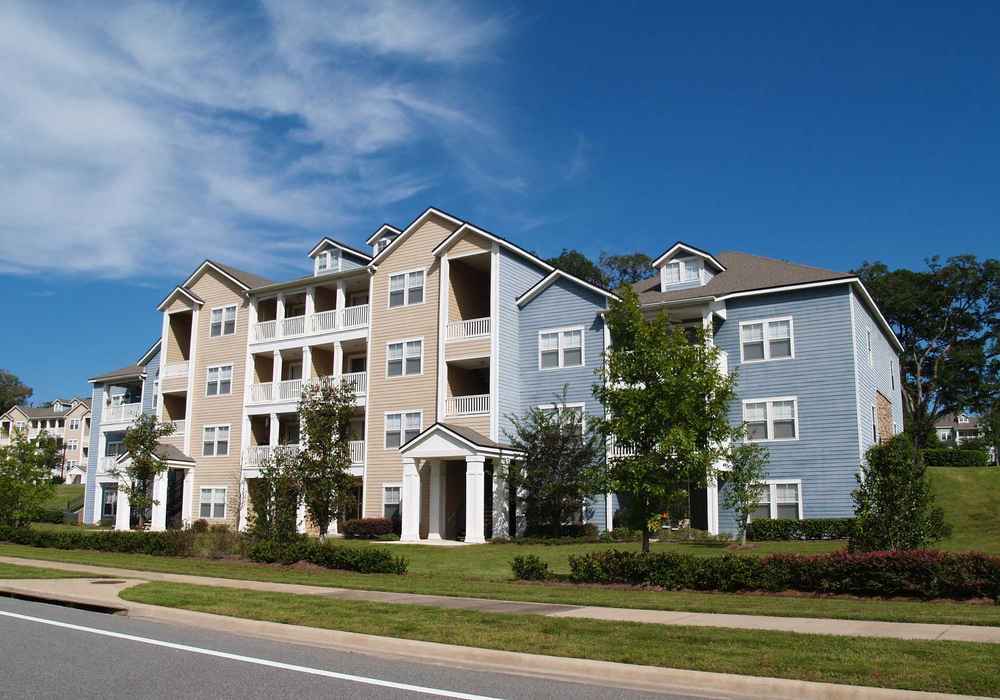
HOA, Apartment, and Multi-Family Roofing Questions in San Diego
Now that we’ve covered what makes roofing for shared properties different, let’s address the most common questions we hear from boards and property managers across San Diego County.
What makes roofing for HOAs different from residential roofing?
Roofing for HOAs is different because it involves shared budgets, board oversight, and collective liability. Unlike residential roofing, HOA roofing systems require formal approvals, reserve study alignment, and documented proposals to protect the association’s financial interests.
How long do multi-family roofing systems typically last?
Multi-family roofing systems typically last 20 to 50 years depending on the material. Architectural shingles often perform 30 to 50 years, tile may exceed 50 years, and flat apartment roofing systems like TPO generally last 20 to 30 years with proper maintenance.
Why is documentation so important in property management roofing?
Documentation is critical in property management roofing because boards must justify capital improvement decisions. Clear scope details, warranty terms, and inspection records reduce liability and protect long-term reserve planning.
Can apartment roofing projects be completed in phases?
Apartment roofing projects can absolutely be phased to align with reserve funding and reduce financial strain. Phased multi-family roofing allows associations to replace buildings strategically instead of triggering large special assessments.
Are cool roofs required for multi-family properties in San Diego?
Cool roofs are often required for multi-family properties in San Diego due to California Title 24 energy standards. Reflective materials like TPO are commonly used in apartment roofing to support compliance and improve energy efficiency.
How should HOA boards evaluate roofing bids?
HOA boards should evaluate roofing bids based on scope clarity, contractor certifications, warranty coverage, and insurance documentation. In multi-family roofing, the lowest price is rarely the best long-term financial decision.
What certifications should we look for in a multi-family roofing contractor?
For multi-family roofing, boards should look for manufacturer certifications such as Platinum Preferred or Master Elite status. These certifications indicate higher installation standards and access to extended manufacturer warranties.
What Truly Makes It Different
Roofing for HOAs, apartments, and multi-family properties is different because responsibility is shared.
Shared funding. Shared liability. Shared outcomes.
That demands structured budgeting, certified installation, documented processes, disciplined project management, and long-term lifecycle planning.
For 36 years, Guardian Roofs has delivered multi-family roofing, HOA roofing systems, apartment roofing, and property management roofing across San Diego County with clarity and accountability.
If your board or management team is preparing for a project, schedule your free inspection today.
