
Solar roofing works especially well in San Diego’s climate because the region offers consistent sunlight, mild weather, and strong year-round energy demand. Those conditions support reliable solar roof performance, especially when renewable energy roofing solutions are built directly into the roofing system instead of added as an afterthought.
If you have spent a summer in Southern California, you know the sun is not occasional. It is part of daily life. It heats your home, drives up cooling demand, and hits your roof for hours at a time. The question is simple: is your roof only absorbing that sunlight, or is it helping you use it?
Here is what you need to understand:
- Why San Diego’s climate supports strong solar roofing benefits
- How solar roofs perform in warm climates with steady sun exposure
- Why integrated solar roofs can be a smart fit during roof replacement
- What homeowners should consider before investing in renewable energy roofing
If you want a clear plan backed by real roofing experience, Guardian Roofs can help.
Why San Diego’s Climate Gives Solar Roofing a Strong Advantage
Solar roofing performs best when the environment supports steady energy production. That is why this region is such a strong fit. The area receives consistent sunlight, avoids harsh winter conditions, and has many homes with year-round cooling demand. Those factors work together to make solar roof performance more predictable over time.
Traditional roofing protects the home, but solar roofing does more. It protects the structure while turning sunlight into usable power. In a climate where the sun is a constant factor, that matters. You are not waiting for rare conditions to make the system useful. The roof has daily opportunity to perform.
This is where the benefits of solar roofing become practical. It is not just about technology. It is about matching the system to the environment. In San Diego, the weather gives homeowners a real advantage.
What Solar Roofing Means for Homeowners
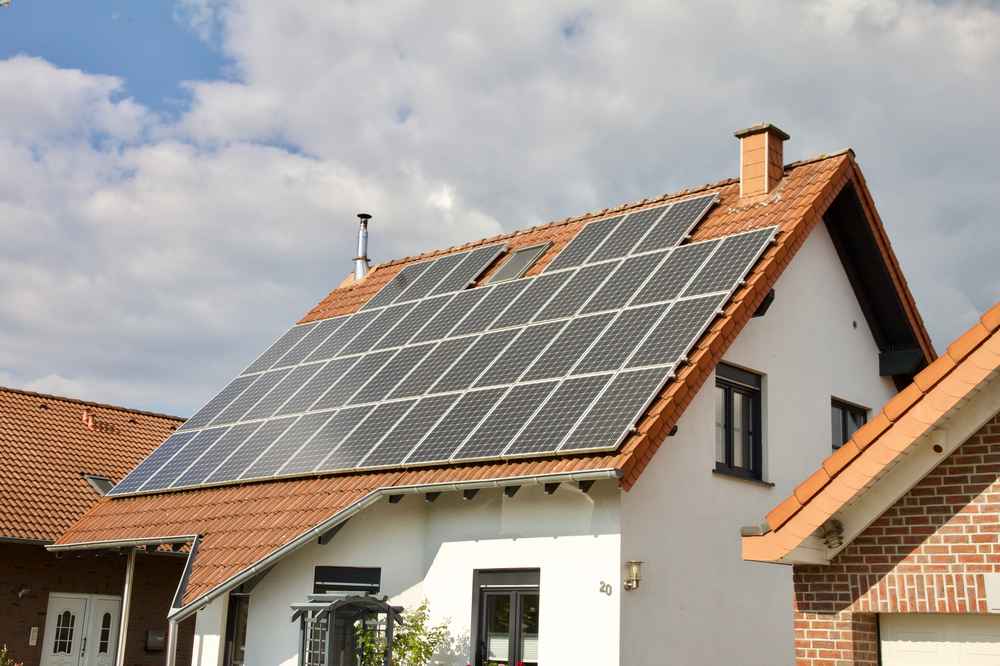
Solar roofing is different from simply mounting panels over an existing roof. Integrated solar roofs are designed to become part of the roofing system itself. That means the roof is responsible for weather protection, structural performance, and energy production.
Solar roofs built directly into your roofing system can reduce the need for separate mounting systems and create a cleaner finished look. They also allow the roofing plan and energy plan to work together from the beginning.
That matters because your roof is not just a surface. It is a system. If that system is aging, poorly ventilated, or not properly installed, solar performance can suffer. A strong solar roofing project starts with a strong roof.
What to Know Before Installing Solar Roofing in San Diego
Before moving forward, homeowners need to look at the full picture. Solar roofing is a long-term investment, and the best results come when the roof condition, budget, energy goals, and installation timing all line up.
The first question is roof condition. If your roof is near the end of its lifespan, installing solar over it may not be the smartest move. You do not want to pay for solar installation now, then remove or disturb the system later because the roof needs replacement. That is why solar roofing often makes the most sense during a re-roof or major roofing upgrade.
The second question is cost. Solar roofing usually requires a higher upfront investment than standard roofing, but the long-term value comes from energy production, reduced utility dependence, and potential property value benefits.
The third question is compliance. California roofing and solar projects must meet structural, electrical, and energy requirements. You deserve to know the facts before work begins, and that starts with a clear proposal.
When Solar Roofing Makes the Most Sense
Solar roofing works especially well in San Diego’s climate, but timing still matters. The best candidates are homeowners who plan to stay in the home long term, have strong sun exposure, and are already considering roof replacement or a major roofing upgrade.
It also makes sense when utility costs keep rising and the home has consistent electricity demand. That is common in warm climates where cooling systems work hard during long sunny seasons.
Here is the key. Solar roofing is not just a roof purchase. It is a roof and energy decision. Smart homeowners look beyond the install date and ask, “What will this system do for me over the next 20 years?”
That is the right question.
Integrated Solar Roofs vs Traditional Solar Panels
This is one of the most important decisions homeowners need to understand.
Traditional solar panels are mounted on top of the roof. That approach can work well, but it adds a second system over the roofing materials. It also introduces mounting points and requires coordination between the roof condition and the solar equipment.
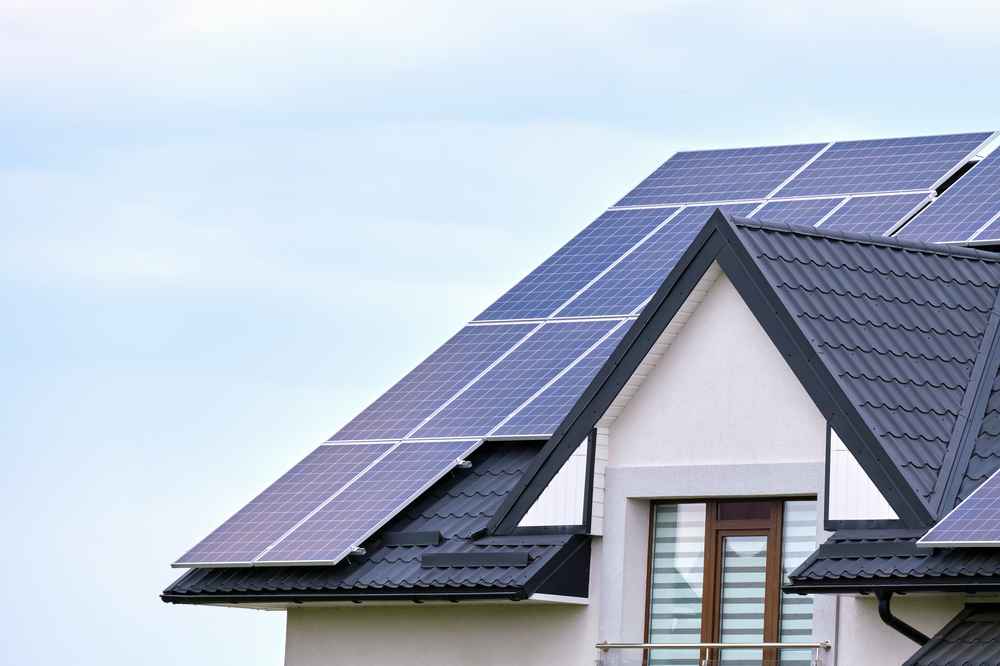
Integrated solar roofs are built directly into the roofing system. That creates a more unified design and can reduce some of the complications that come from layering systems. For homeowners replacing a roof, this can be especially attractive because the roofing and solar strategy are planned together.
| Feature | Traditional Solar Panels | Integrated Solar Roofing |
| Installation style | Mounted over existing roof | Built into the roofing system |
| Appearance | More visible equipment | Cleaner, lower-profile look |
| Best timing | Often added after roof install | Strong fit during re-roofing |
| System planning | Roof and solar may be separate | Roof and solar planned together |
Both options can produce energy, but integrated systems are built around one idea: your roof should protect the home and produce power as one coordinated system.
How Solar Roofing Delivers Value in Warm Climates
The reason solar roofing works especially well in San Diego’s climate comes down to repetition. Day after day, sunlight hits the roof. In a standard roofing system, much of that sunlight becomes heat. With solar roofing, that sunlight becomes an opportunity.
Solar roof performance benefits from steady exposure. Mild weather also helps because systems are not regularly interrupted by snow loads, freeze cycles, or severe winter conditions. That gives homeowners a more consistent environment for energy production.
There is also a comfort factor. A well-planned roof can support ventilation, insulation, and energy performance together. Solar roofing is strongest when it is part of a complete roofing strategy, not a standalone product.
A Real-World Example of Solar Roof Planning
We worked with a homeowner who was dealing with rising energy costs and an aging roof. The home received strong sun exposure, but the existing roofing system was not a good foundation for long-term solar performance.
Instead of treating the roof and solar plan separately, we evaluated the full system. That included the roof condition, structure, ventilation, material options, and long-term goals. The better path was to address the roofing system first and plan solar integration around a roof built for long-term performance.
That is what quality looks like over time. You do not build renewable energy roofing solutions on a weak foundation. You build the roof right, then make the solar investment work harder.
How Guardian Roofs Approaches Solar Roofing
At Guardian Roofs, we do not look at solar roofing as just another add-on. We look at how the roof, structure, materials, ventilation, and long-term energy goals work together.
Our process focuses on:
- Evaluating whether the existing roof can support solar long term
- Recommending roofing options that pair well with renewable energy roofing
- Helping homeowners understand timing, costs, and expected value
- Providing a clear proposal before work begins
With 36 years of roofing experience, Owens Corning Platinum Preferred status, GAF Master Elite certification, and an A+ BBB rating, we bring roofing judgment to the conversation. That matters because solar roof performance depends on the quality of the roof underneath it.
Deep Dive: What Impacts Solar Roof Performance and Long-Term Value
Solar roofing works especially well in San Diego’s climate when the system is designed around the home’s actual conditions. A roof with strong sun exposure, proper orientation, good structural support, and quality installation will usually perform better than a roof where solar is added without planning.
Roof orientation matters because solar systems need sunlight access. Shading from trees, nearby buildings, or roof design can reduce production. Roof slope and layout also influence how well integrated solar roofs fit the home.
Material compatibility matters too. Solar roofs built directly into your roofing system require careful planning so the energy components and weatherproofing components work together. That is where experience matters.
Warranty protection is also part of the decision. Guardian Roofs offers up to a 50-year manufacturer warranty with Owens Corning products and a 10-year workmanship warranty on full re-roofs. When you are investing in a long-term roofing system, that kind of protection gives homeowners confidence.
Pros and Cons of Solar Roofing in San Diego
Pros
- Strong fit for consistent sun exposure
- Helps reduce long-term energy costs
- Supports renewable energy goals
- Can increase property value
- Works especially well when paired with roof replacement
Cons
- Higher upfront investment
- Requires proper design and installation
- Not every roof layout is ideal
- Existing roof condition may need to be addressed first
Here is the bottom line. Solar roofing works best when the roof is ready for it. If the roof is weak, aging, or poorly planned, solar performance and long-term value can suffer.
Solar Roofing Questions San Diego Homeowners Ask Before Investing
Before moving forward with solar roofing, most homeowners want clear, direct answers they can trust. These are the questions that come up when people are deciding why solar roofing works especially well in San Diego’s climate and whether it makes sense for their home.
What are the benefits of solar roofing in San Diego?
The benefits of solar roofing in San Diego include consistent energy production, reduced reliance on utility companies, and long-term cost control. Because the region gets steady sunlight, solar roofing systems can generate power more reliably than in less favorable climates.
How do solar roofs perform in warm climates?
Solar roofs perform well in warm climates because they rely on consistent sunlight to generate energy. In San Diego, mild weather and long sunny periods support stable solar roof performance throughout the year.
Are integrated solar roofs better than traditional solar panels?
Integrated solar roofs can be better than traditional solar panels when the roof is being replaced or upgraded. They are built directly into the roofing system, which creates a cleaner design and allows the roof and energy system to work together more efficiently.
Can solar roofing be installed on an older roof?
Solar roofing can be installed on an older roof in some cases, but it is often better to address the roof condition first. If the roof is nearing the end of its lifespan, combining a re-roof with solar installation helps avoid future disruption and added costs.
How much can solar roofing reduce energy costs?
Solar roofing can reduce energy costs by generating electricity from sunlight and lowering how much power you need from the utility company. The exact savings depend on system size, energy usage, and sun exposure, but the long-term impact can be significant.
Is renewable energy roofing worth it for long-term homeowners?
Renewable energy roofing is worth it for long-term homeowners because the value builds over time through energy savings and potential property value increases. The longer you stay in the home, the more benefit you see from the system.
What should I do before choosing a solar roofing system?
Before choosing a solar roofing system, you should evaluate your roof condition, sun exposure, budget, and long-term plans. A clear roofing proposal helps you understand whether integrated solar roofs or other renewable energy roofing solutions are the right fit.
Final Thoughts: San Diego Sunlight Can Become Long-Term Value
Why solar roofing works especially well in San Diego’s climate comes down to one thing: the environment supports the system. Consistent sunlight, mild weather, and high energy demand give homeowners a strong foundation for long-term solar performance.
You deserve to know the facts before making that investment. Solar roofing should not be rushed, and it should not be planned separately from the roof itself.
Guardian Roofs brings 36 years of experience, certified expertise, clean workmanship, and clear proposals to every project. If you are ready to explore whether solar roofing makes sense for your home, schedule your free estimate today.
