Timberline Solar™ roofing systems are changing how homeowners think about energy-efficient roofing in San Diego. Instead of attaching bulky solar panels over an existing roof, this system turns the roof itself into a source of power generation. In a region with year-round sun exposure and rising utility costs, integrated solar roofing systems create an opportunity to lower energy bills while continuing to protect the home at the same time.
For years, homeowners interested in solar energy often felt like they had to compromise. Traditional solar panels could help reduce utility costs, but many people disliked the appearance of large mounted systems sitting above the roofline. Others worried about what would happen if the roof underneath the panels eventually needed replacement.
That is why conversations around solar roofing are changing.
Homeowners are no longer just asking:
“How do I add solar panels to my roof?”
Now they are asking:
“Should my roof itself become part of the energy solution?”
That is exactly what Timberline Solar is designed to do.
Here is what you need to understand before deciding whether this type of solar shingle roofing solution is right for your home:
- What makes Timberline Solar different from mounted solar panels
- How nailable solar shingles work as part of the roofing structure
- Why integrated solar roofing systems are growing in popularity
- How solar shingles generate electricity while protecting the home
- Whether a solar roof or traditional solar panels make more sense long term
If you want straightforward answers from a roofing company that has spent decades helping homeowners make smart long-term decisions, Guardian Roofs can help.
Why Timberline Solar™ Is Different From Traditional Solar Panels
The biggest difference between Timberline Solar and traditional solar panels is integration.
Traditional solar panels are mounted above the roof using brackets and hardware attached to the structure underneath. The solar system and the roof function as two separate systems. The roof protects the home. The panels generate electricity.
Timberline Solar works differently because the roofing system itself becomes part of the energy solution.
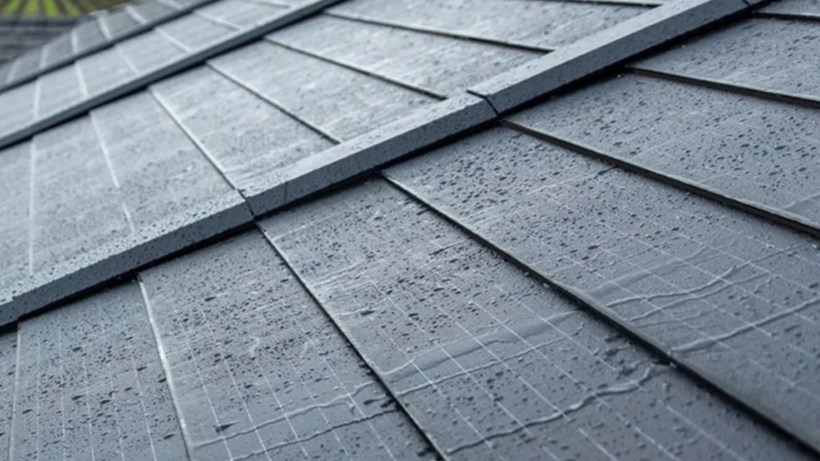
Instead of installing equipment over the roof, the photovoltaic technology is integrated directly into the roofing materials. The shingles themselves generate electricity while continuing to function as part of the roof protecting the home.
Traditional solar panels are attached to your roof. Timberline Solar becomes part of your roof.
For homeowners in San Diego already considering roof replacement or energy upgrades, that creates a much more unified long-term approach.
Instead of treating solar as a separate project added later, integrated solar roofing systems allow roofing protection and energy generation to work together from the beginning.
You deserve to know the facts before making a major roofing investment. The quality of the roof underneath the solar system still determines long-term performance. That is why homeowners often feel more confident working with experienced roofing professionals instead of approaching solar and roofing as unrelated decisions.
Why Some Homeowners Prefer Solar Roofing Over Mounted Panels
Many homeowners like the idea of lower energy bills but hesitate once they start researching traditional solar panels. The hesitation is not always about solar itself. Often, it is about how the system changes the appearance and structure of the roof.
Mounted systems sit above the roofline using visible racks and hardware. For some homeowners, especially in neighborhoods where curb appeal matters, that feels more like adding equipment onto the house than improving the roofing system itself.
That is one reason integrated solar roofing systems are becoming more attractive.
Solar shingle roofing solutions create a cleaner, lower-profile appearance because the solar technology is built directly into the roof itself. Instead of creating a second structure above the home, the roof becomes part of the energy solution.
That simplicity matters.
Most homeowners are not looking for more maintenance concerns or unnecessary complexity. They want practical upgrades that improve how the home performs long term.
This becomes especially important when homeowners are already planning a re-roofing project. Instead of replacing the roof now and adding solar later, the roofing and energy strategy can work together from the start.
That kind of planning helps avoid unnecessary disruption later while creating a more seamless roofing system overall.
What Timberline Solar™ Actually Is and How It Works
Timberline Solar is a solar shingle roofing solution that combines roofing protection and energy production into one integrated system.
Unlike traditional mounted solar arrays, Timberline Solar uses nailable solar shingles designed to install more like roofing materials than raised panel equipment. The shingles sit flatter against the roofline while still collecting sunlight and converting it into usable electricity throughout the day.
At the end of the day, the system still performs the same basic function as traditional solar panels:
It captures sunlight and generates power.
The difference is how the technology becomes part of the roofing structure itself.
Nailable solar shingles matter because they change the installation process. Instead of attaching large rack-mounted systems onto an existing roof, the solar shingles integrate directly into the roofing system during installation. This creates a cleaner appearance while allowing the roofing system and solar technology to function together naturally.
That is why more homeowners exploring energy-efficient roofing are considering integrated solar roofing systems during roof replacement.
In a climate with long annual sun exposure and increasing cooling costs, a roof that can actively generate electricity becomes more than a protective surface. It becomes part of the home’s long-term energy strategy.
What Homeowners Should Evaluate Before Installing Timberline Solar™
Before investing in Timberline Solar, homeowners should evaluate more than just energy production. Roof condition, project timing, ownership plans, and structural considerations all matter.
Roof Age and Replacement Timing
One of the biggest advantages of integrated solar roofing systems is that they make the most sense during roof replacement.
With traditional solar panels, homeowners sometimes install solar first only to realize later that the roof underneath needs replacement. That can create additional labor and costs because the mounted system may need to be removed before roofing work begins.
Timberline Solar solves that issue differently because the roofing system and solar technology are designed together from the beginning.
That is what smart homeowners ask:
“Does it make sense to invest in solar before I know the condition of the roof underneath it?”
That question matters because the roof itself still determines long-term performance.
Energy Goals and Utility Costs
Most homeowners researching solar roofing are trying to solve one issue first:
Rising energy costs.
The goal is not changing your lifestyle. The goal is making the home work more efficiently without constantly thinking about it.
That is one reason energy-efficient solar roofing technology continues gaining attention. The roof quietly generates electricity while continuing to perform its primary job protecting the structure underneath it.
Roof Layout and Sun Exposure
Not every roof is equally suited for solar production. Roof orientation, shade coverage, surrounding trees, and slope all influence long-term performance.
Homes with strong daily sunlight exposure generally create the best long-term value from integrated solar roofing systems.
California Roofing and Energy Requirements
Solar roofing projects in California must meet both roofing and electrical code requirements. Waterproofing, ventilation, fire ratings, and structural support all play a role in system performance.
This is why roofing experience matters.
A solar roof is still a roof first.
How Timberline Solar™ Generates Power While Protecting the Home
Solar shingles function similarly to traditional solar panels when it comes to energy production. Both systems collect sunlight and convert it into usable electricity. The difference is how the system interacts with the roof itself.
With Timberline Solar, the photovoltaic technology is built directly into the roofing materials. Because the system integrates into the roofing structure itself, homeowners avoid the raised framework associated with traditional mounted solar panels.
That creates several important advantages.
Cleaner Roof Appearance
Many homeowners prefer a roof that looks intentionally designed instead of modified later. Solar shingle roofing solutions create a lower-profile appearance that blends more naturally into the home.
Unified Roofing and Energy Planning
Integrated solar roofing systems allow homeowners to combine roofing protection and energy production into one coordinated strategy instead of approaching them as separate projects years apart.
That simplifies long-term planning significantly.
Better Roofing Integration
Nailable solar shingles install directly into the roofing structure itself, creating a more seamless installation process compared to raised mounting systems.
This is what quality looks like over time. The roofing system should not simply support solar equipment. The roof itself should become part of the long-term energy solution.
Why Timberline Solar™ Works Especially Well in San Diego
Timberline Solar works especially well in San Diego because the region provides consistent sunlight across most of the year.
That matters because solar roofing performs best when the roof receives steady sun exposure over long periods of time.
Homeowners in Southern California also deal with:
- long cooling seasons,
- rising utility costs,
- and increasing interest in energy-efficient home upgrades.
Integrated solar roofing systems directly support those concerns by allowing the roof itself to contribute to long-term energy savings. Homeowners exploring broader ways to improve roofing efficiency can also read our guide on How Your Roof Can Lower Energy Costs Without Changing Your Lifestyle, which explains how ventilation, cool roofing systems, insulation, and energy-efficient roofing materials all work together to reduce utility costs over time.
Unlike colder climates, San Diego rarely experiences prolonged snow loads or harsh freeze-thaw cycles. That creates a more stable environment for solar roofing systems overall.
This is one reason conversations around solar roof vs traditional solar panels continue growing in the region.
Homeowners are realizing the roof can do more than shield the home from weather. The roof itself can help reduce operating costs while maintaining the appearance and performance expected from a high-quality roofing system.
Solar Roof vs Traditional Solar Panels: Which Makes More Sense Long Term?
Homeowners comparing a solar roof vs traditional solar panels often focus entirely on energy production. But the better long-term question is:
“How does this system fit into the overall plan for my home?”
| Feature | Traditional Solar Panels | Timberline Solar™ |
| Installation Method | Mounted above roof | Built directly into roof |
| Appearance | Raised panel system | Lower-profile solar shingles |
| Roofing Integration | Separate system | Integrated solar roofing |
| Best Timing | Installed after roofing | Installed during re-roofing |
| Roofing Coordination | Two separate projects | Unified roofing strategy |
| Long-Term Planning | Solar and roof separate | Roofing and energy aligned |
Both systems can generate electricity effectively. The difference comes down to integration, appearance, and how homeowners want roofing protection and energy efficiency to work together over time.
That is why more homeowners exploring renewable energy roofing solutions are considering whether a solar roof makes more practical long-term sense than mounted panels added later.
When Timberline Solar™ May Not Be the Right Fit
Integrated solar roofing systems make excellent sense for many homeowners, but not every property is automatically the right fit.
For example:
- Roofs with heavy shade coverage may limit solar performance
- Highly complex roof layouts can reduce energy efficiency
- Homeowners planning to move soon may not experience the strongest long-term value
- Roofs still in excellent condition may not justify replacement timing yet
This is why evaluating the roof itself always comes first.
At Guardian Roofs, we approach solar roofing from a roofing-first perspective. The condition of the roof still determines how well the entire system performs long term.
Homeowners should never feel pressured into an upgrade that does not align with the condition of the property or their long-term goals. The right roofing system should solve problems long term, not create new ones later.
Deep Dive: Long-Term Roofing Protection and Energy Performance
The biggest advantage of Timberline Solar roofing systems is that they combine two essential functions into one coordinated system:
- roofing protection,
- and energy generation.
That integration changes how homeowners think about long-term roofing value.
Roofing Performance Still Determines Long-Term Results
Even the best solar technology depends on the quality of the roofing system underneath it. Waterproofing, flashing details, ventilation, and installation quality still determine long-term performance.
That is one reason many homeowners feel more comfortable working with experienced roofing professionals instead of treating roofing and solar as completely separate projects.
Long-Term Maintenance Considerations
One of the most common homeowner concerns is future maintenance.
People naturally want to know:
“What happens if roofing work is needed later?”
Because Timberline Solar integrates directly into the roofing system, coordinated planning and experienced installation become even more important from the start. Long-term performance depends on how well the roofing system and solar technology work together from the beginning.
Warranty Protection Matters
Guardian Roofs installs roofing systems backed by strong manufacturer warranties, including up to a 50-year manufacturer warranty through Owens Corning products and a 10-year workmanship warranty on full re-roofs.
Financing options are also available for most projects, and our team walks homeowners through those options clearly during the estimate process.
Long-Term Energy Savings Without Lifestyle Disruption
One reason homeowners continue exploring integrated solar roofing systems is simplicity.
The roof quietly generates electricity throughout the day while continuing to function like the roofing system homeowners already expect. This supports long-term energy savings without requiring major lifestyle adjustments or constant attention.
This is not just about adding solar panels. It is about making the roof itself part of the home’s long-term energy strategy.

What San Diego Homeowners Want to Know Before Choosing Timberline Solar™
Before investing in Timberline Solar™, most homeowners want straightforward answers about how the system works, how it compares to traditional solar panels, and whether it makes practical long-term sense for their home. That is especially true in San Diego, where energy costs continue rising and more homeowners are looking for ways to improve efficiency without sacrificing curb appeal or taking on unnecessary complexity.
Here are some of the most common questions homeowners ask when exploring integrated solar roofing systems.
What is Timberline Solar™?
Timberline Solar is an integrated solar roofing system that combines roofing shingles and solar technology into one product. Instead of mounting solar panels above the roof, the solar shingles become part of the roofing system itself while continuing to protect the home and generate electricity at the same time.
How are solar shingles different from traditional solar panels?
Solar shingles are different from traditional solar panels because they install directly into the roofing system instead of sitting above it on mounted hardware. This creates a cleaner appearance and allows the roof itself to become part of the home’s energy solution rather than supporting a separate solar structure.
Are solar shingles durable enough for long-term roofing performance?
Yes, solar shingles are designed to function as both roofing materials and energy-generating components. Like any roofing system, long-term performance depends heavily on installation quality, waterproofing details, ventilation, and the condition of the structure underneath the roof.
Can Timberline Solar™ replace a full roof?
Timberline Solar can function as part of a complete roofing system during re-roofing projects. That is one reason many homeowners explore integrated solar roofing when their existing roof is already approaching replacement age.
What are nailable solar shingles?
Nailable solar shingles are solar roofing components designed to install more like traditional roofing materials rather than mounted panel systems. This allows the solar technology to integrate directly into the roofing structure itself, creating a more seamless appearance and installation process.
Do solar roofs produce enough electricity to lower energy bills?
Yes, solar roofs can offset a significant portion of household energy usage depending on roof size, sun exposure, and overall energy consumption patterns. In San Diego, where homes receive consistent sunlight throughout much of the year, integrated solar roofing systems can provide meaningful long-term energy savings.
Are solar roofs more expensive than traditional solar panels?
Solar roofs are generally more expensive upfront than mounted solar panels because they combine roofing protection and energy generation into one integrated system. Many homeowners view the improved appearance, long-term roofing integration, and simplified planning process as part of the overall value.
Can Timberline Solar™ lower energy bills without changing my lifestyle?
Yes, Timberline Solar can help lower energy bills without requiring major lifestyle changes because the roof itself generates electricity throughout the day. The goal is improving energy efficiency through smarter roofing design rather than forcing homeowners to constantly adjust daily habits or routines.
Final Thoughts: Timberline Solar™ Makes the Roof Part of the Energy Solution
For decades, homeowners treated roofing and solar as two separate conversations. Timberline Solar changes that approach by combining roofing protection and energy generation into one integrated system.
In San Diego, where sunlight remains consistent and utility costs continue increasing, integrated solar roofing systems offer a smarter long-term approach to reducing energy expenses. Instead of attaching bulky equipment above the roofline, the roof itself becomes part of the home’s energy strategy.
Your roof already protects your home every single day. Timberline Solar simply allows it to work harder for you while still functioning like the roof you expect.
Guardian Roofs brings 36 years of roofing experience, Owens Corning Platinum Preferred status, GAF Master Elite certification, and a reputation built on quality workmanship, clear proposals, and respectful service. If you want to understand whether Timberline Solar is the right fit for your home, schedule your free estimate today.
