
Every winter in San Diego, the pattern is familiar.
The first heavy rain exposes hidden leaks. Upper units report water intrusion. Emergency board meetings follow. Someone inevitably asks, “How did this project fail?”
In most cases, the shingles did not fail. The tile did not fail. The membrane did not fail.
The planning failed.
HOA roofing mistakes are rarely technical at their core. They stem from weak roofing project planning, overlooked roofing compliance requirements, and rushed decisions in multi-property roofing environments where responsibility is shared.
If your board wants to avoid preventable failure, you need to understand where breakdowns begin.
In this guide, we will cover:
- Why HOA roofing projects fail more often than residential ones
- The four planning phases where failure begins
- The most common HOA roofing mistakes
- How roofing compliance gaps increase liability
- A clear framework for stronger roofing project planning
If your association is preparing for repairs or replacement, Guardian Roofs can help.
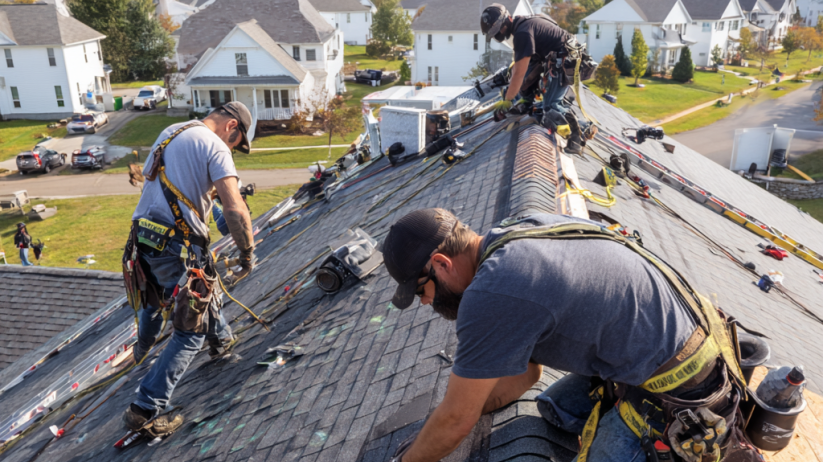
Why HOA Roofing Projects Fail More Often in San Diego
To understand why HOA roofing projects fail, we first need to understand the environment they operate in.
In San Diego, roofing systems face:
- High year-round UV exposure
- Seasonal heavy rain
- Title 24 cool roof requirements
- Mandatory local permit inspections
Now add the structure of multi-property roofing. Shared ownership means shared liability. Boards must align decisions with reserve studies. Insurance documentation must be verified. Roofing compliance must be documented.
Unlike a single-family home, where one owner absorbs the impact of poor planning, HOA roofing mistakes affect an entire community.
That difference is critical.
If you have not reviewed the broader structural differences between residential and association projects, our guide on Roofing for HOAs, Apartments, and Multi-Family Properties: What Makes It Different explains why roofing project planning must be more disciplined in shared-property environments.
Without structured planning, failure becomes predictable.
The Four Phases Where Roofing Project Planning Breaks Down
HOA roofing projects rarely fail overnight. They fail in stages.
1. Pre-Bid Planning Gaps
Failure often begins before bids are requested. Reserve timelines are unclear. Roofing compliance requirements are not confirmed. Scope definitions are incomplete.
When roofing project planning starts with uncertainty, every proposal that follows will be inconsistent.
2. Scope Definition Weakness
If flashing replacement, ventilation corrections, drainage upgrades, or underlayment inspection are excluded to lower costs, the project carries hidden risk.
Many HOA roofing mistakes originate here.
3. Installation Oversight Lapses
Even high-quality materials fail when slope, fastening patterns, or flashing details are improperly executed. Without structured oversight, small errors become major leaks.
4. Post-Installation Documentation Failures
Roofing compliance documentation, warranty paperwork, and inspection records protect associations long term. Weak documentation increases future liability exposure.
Each phase reinforces the same truth: when roofing project planning is incomplete, failure follows.
The Most Common HOA Roofing Mistakes (and Why They Happen)
Understanding these mistakes helps prevent them.
Choosing the Lowest Bid Instead of the Clearest Scope
The lowest price often reflects a reduced scope. In multi-property roofing, incomplete scope increases lifecycle cost.
Ignoring Roofing Compliance Requirements
Title 24 standards, fire ratings, and permit inspections are not optional in San Diego. Failure to verify roofing compliance can delay projects or affect warranty eligibility.
Delaying Replacement Beyond Lifecycle Projections
Repeated repairs on aging HOA roofing systems may seem economical, but they increase interior damage risk and long-term cost.
Skipping Drainage Evaluation on Flat Sections
Ponding water is one of the leading causes of premature failure in multi-property roofing. Without proper slope and overflow design, lifespan shortens dramatically.
Failing to Verify Manufacturer Certification
Contractors certified by Owens Corning or GAF can offer enhanced warranty protection. Certification matters when protecting shared investments.
Weak Change Order and Documentation Control
Clear records reduce future disputes. In HOA roofing systems, documentation protects boards as leadership changes over time.
Each of these HOA roofing mistakes traces back to insufficient roofing project planning.
Reactive vs Strategic Roofing Project Planning
At the heart of why HOA roofing projects fail is a simple contrast.
Reactive Approach
- Emergency repairs
- Rising maintenance costs
- Resident frustration
- Insurance disputes
Strategic Roofing Project Planning
- Reserve-aligned scheduling
- Verified roofing compliance
- Detailed scope comparison
- Certified installation
- Documented inspections
Multi-property roofing in San Diego succeeds when planning is proactive rather than reactive.
Real-World Example: When Planning Was Delayed
A 32-unit association postponed full replacement and relied on repeated tile repairs.
Over two rainy seasons, underlayment deterioration led to multiple interior leaks. When full replacement was finally approved, additional drywall repairs increased total project cost by nearly 18 percent.
The materials were not the issue. Roofing project planning was delayed.
This example reflects how HOA roofing mistakes compound when proactive decisions are postponed.
Technical Risks That Strong Planning Addresses
Strong roofing project planning anticipates technical vulnerabilities before installation begins.
Underlayment Deterioration Beneath Tile
Southern California heat accelerates breakdown. Without full inspection, hidden weaknesses remain.
Ventilation Imbalance
Improper airflow increases surface temperatures and reduces lifespan.
Drainage and Overflow Design
Flat multi-property roofing requires positive slope and functional overflow systems to prevent ponding.
Warranty and Roofing Compliance Integration
Certified installation ensures compliance with manufacturer specifications and enhances warranty protection.
Planning reduces these risks before they evolve into claims.
How to Avoid HOA Roofing Project Failure
Avoiding failure requires structure, not luck.
- Review reserve projections before requesting bids
- Define full scope, including flashing and underlayment
- Confirm roofing compliance requirements early
- Verify manufacturer certification
- Require documented inspections
- Establish change order controls
- Phase large multi-property roofing projects when necessary
When roofing project planning is disciplined, HOA roofing mistakes become far less likely.
San Diego HOA Roofing Failure Prevention FAQs
Before your board moves forward with a project, these frequently asked questions clarify why HOA roofing projects fail without the right roofing project planning — and how to avoid those mistakes.
What causes most HOA roofing mistakes?
Most HOA roofing mistakes are caused by incomplete roofing project planning and unclear scope definition. When boards skip reserve alignment, overlook roofing compliance requirements, or compare bids without matching scope, failure becomes predictable.
Why is roofing project planning more important for multi-property roofing?
Roofing project planning is more important for multi-property roofing because shared budgets and liability increase the financial impact of mistakes. Strategic planning reduces emergency repairs, protects reserves, and stabilizes long-term costs.
How does roofing compliance affect HOA roofing projects in San Diego?
Roofing compliance affects HOA roofing projects in San Diego by determining whether systems meet Title 24 energy standards, fire ratings, and permit requirements. Missing compliance steps can delay inspections or limit manufacturer warranty protection.
Can poor roofing project planning increase liability for HOA boards?
Yes, poor roofing project planning can increase liability exposure for HOA boards. When compliance documentation, inspections, or scope clarity are weak, associations face greater financial and legal risk.
Can multi-property roofing projects be phased to prevent failure?
Multi-property roofing projects can absolutely be phased to prevent financial strain and rushed decisions. Phasing allows associations to align roofing project planning with reserve studies and maintain operational stability.
How often should HOA roofing systems be inspected to avoid failure?
HOA roofing systems should be inspected annually and after major storms to avoid preventable failure. Routine inspections support proactive roofing project planning and reduce long-term repair costs.
Why HOA Roofing Projects Fail Without Proper Planning — And How to Prevent It
HOA roofing projects fail when roofing project planning is reactive instead of strategic.
They fail when boards delay decisions beyond reserve timelines. They fail when roofing compliance requirements are treated as paperwork instead of protection. They fail when multi-property roofing bids are compared by price instead of scope.
None of these failures are random.
HOA roofing mistakes are almost always planning mistakes.
In San Diego, where UV exposure, seasonal rain, and Title 24 requirements add complexity, disciplined roofing project planning protects shared assets, stabilizes budgets, and reduces long-term liability.
Strategic planning includes:
- Clear scope definition
- Verified roofing compliance
- Certified installation
- Documented inspections
- Reserve-aligned scheduling
When these elements are in place, multi-property roofing becomes predictable, not risky.
For 36 years, Guardian Roofs has helped associations approach roofing with structure, compliance, and long-term planning at the forefront.
If your board wants to avoid preventable failure and protect your community’s investment, schedule your free inspection today.
