
San Diego homeowners know how easy it is to forget about the roof during a long dry stretch. The sun is out. The ceiling is dry. Nothing looks urgent. But after 36 years in roofing, we can tell you this: dry weather doesn’t mean your roof is getting a break. It means the sun is working on it every day.
Long dry weather doesn’t just sit there quietly. It keeps pressing on your roof day after day. The sun cooks exposed surfaces, old sealant can pull away from vents and flashings, shingles can stiffen, and tile roofs can hide underlayment wear that you won’t see from the ground. On low-slope roofs, dust and palm debris can settle around drains and edges until the first heavy rain has nowhere to go. So when El Niño storms finally roll through, the leak may feel sudden, but the setup usually happened long before the clouds showed up.
You deserve to know what’s happening over your head before water starts showing up inside your home.
If you’re thinking about waterproofing your roof in San Diego, the timing matters. The goal is simple. Get ahead of the storm. Find the weak points before heavy rain finds them for you.
Guardian Roofs can help you make a clear decision before the weather makes one for you.
What You’ll Learn in This Guide
- Why a long dry spell can quietly weaken your roof before rain ever starts
- How El Niño storms expose the waterproofing problems homeowners don’t always see
- Which roof areas smart homeowners check before storm season
- When a focused roof repair may be enough to solve the problem
- Why flat roofs need a different kind of preparation than sloped roofs
- What to ask before choosing a roofing company you can trust
Why This Issue Matters in Southern California
El Niño is part of a larger Pacific weather pattern called the El Niño-Southern Oscillation, or ENSO. When El Niño conditions develop, ocean and atmospheric changes can influence where storms form, how they move, and how much rain Southern California may see during the winter season. NOAA’s Climate Prediction Center reported that El Niño conditions were present in June 2026 and expected to strengthen into the Northern Hemisphere winter of 2026-27.
Here’s the part homeowners need to pay attention to: El Niño doesn’t have to bring record-breaking rain to create roof problems. Even a stretch of steady storms can expose weak spots that have been building during months of dry heat.
That doesn’t mean every neighborhood will see the same amount of rain, but it does mean San Diego homeowners should take roof preparation seriously.
A dry roof is not always a healthy roof. After months of sun exposure, we often see problems around the places where water protection matters most:
- Vents, skylights, and pipe penetrations, where old sealant may be pulling away
- Asphalt shingles that have stiffened, curled, or lost protective granules
- Tile roofs where the visible tile looks fine, but the underlayment is aging underneath
- Flat roofs with early cracking, blistering, or ponding concerns
- Flashing that has shifted at walls, chimneys, valleys, or roof edges
- Scuppers, drains, and low-slope areas where debris can block water movement
That’s what surprises people. The first storm is blamed for the leak, but the roof may have been quietly warning you for months.
Local requirements can also shape the right solution. California’s energy code may affect certain roof replacement projects, especially when cool roof standards apply. Permit rules can also apply depending on the type of work, the roof structure, and the scope of the project. The City of San Diego notes that roof covering renewal may require a permit when structural elements, sheathing, support systems, or historic property conditions are involved.
This is why experience matters. A good roofing team doesn’t just chase the visible leak. They look at the full system, explain what’s happening, and help you make a decision that protects the property long term.
Solution Prep: What to Know Before You Make a Roofing Decision
Before you start comparing repairs, coatings, or replacement options, get clear on what affects the scope, cost, and timing of the work.
Start With Your Roof Type
Different roofing systems fail in different ways.
A cracked asphalt shingle may be easy to spot. A failed tile underlayment usually isn’t. A flat roof leak may come from a seam, drain, penetration, or ponding area far from where the ceiling stain appears.
Here’s what smart homeowners ask:
“What type of roof do I have, and where is this system most likely to fail during heavy rain?”
Good roofing decisions start with the system, not the stain.
Think Beyond the Visible Leak
A ceiling stain tells you water got in. It doesn’t tell you where the problem started, how long it has been building, or whether nearby areas are also vulnerable.
By the time water reaches the interior, it may have already affected underlayment, decking, insulation, drywall, or electrical areas. That’s why waiting for a leak can cost more.
Budget for the Right Level of Work
A minor repair may solve a localized issue. But if the roof is aged across a larger area, repeated patching can become an expensive option.
A clear proposal should explain:
- What failed
- Why it failed
- What needs attention now
- What can wait
- What risks remain if only a small repair is completed
At Guardian Roofs, we believe homeowners deserve clear estimates and honest pricing. You shouldn’t have to guess what you’re paying for or why it matters.
Ask About Materials
San Diego County homes use a variety of roofing systems, including asphalt shingles, tile, slate, cedar, TPO, PVC, modified bitumen, built-up roofing, and roof coatings.
The right solution depends on:
- Roof slope
- Drainage
- Sun exposure
- Age of the system
- Current waterproofing condition
- Material compatibility
- Budget and long-term plans
This is what quality looks like over time. The material, installation method, and waterproofing details all work together.
Check Timing Before Storm Season
Roofing schedules get tighter once rain shows up in the forecast. That’s not scare talk. That’s just how the industry works.
It’s easier to evaluate dry-weather damage, review options, and schedule the right work before the first major storm exposes a problem inside the home.
How a Dry Spell Sets Up El Niño Roof Failures
Heat Breaks Down Waterproofing Details First
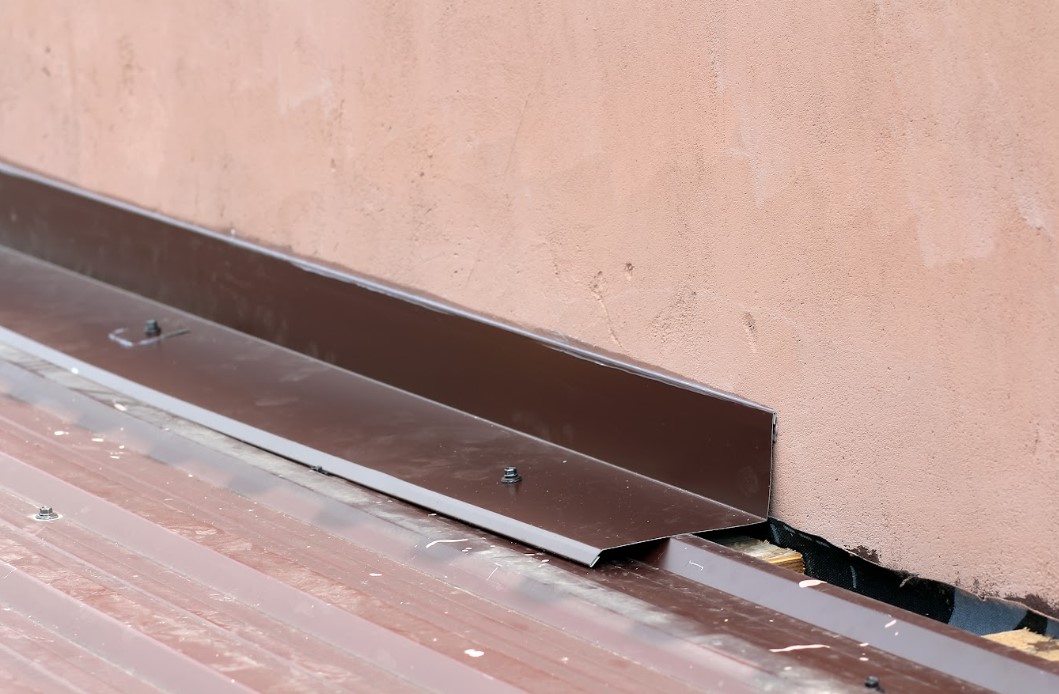
Most roof leaks don’t start in the middle of a wide-open roof surface. They start at transitions.
That means places like:
- Vents
- Skylights
- Chimneys
- Wall intersections
- Valleys
- Pipe penetrations
- Drains
- Roof edges
These areas rely on flashing, sealants, underlayment, and proper installation. During long, dry periods, those details are constantly exposed to UV and subject to temperature fluctuations. Sealants can shrink. Flashing can separate. Small gaps can form.
When heavy rain arrives, water doesn’t need a large opening. It only needs a path.
Tile Roofs Can Hide the Real Problem
Tile roofing is common across Southern California, and for good reason. It handles sun exposure well and fits many local home styles.
But tile is not the entire waterproofing system. The underlayment beneath the tile does much of the water-shedding work.
The roof may look fine from the street while the layer underneath is aging, cracking, or losing performance. If a tile slips or breaks, that weakened underlayment can be exposed at the worst possible time.
Here’s the bottom line: a tile roof can look solid and still need attention.
Flat Roofs Need Drainage Before They Need Rain
Flat roofs aren’t truly flat. They’re designed to move water toward drains, scuppers, or edges.
After a long dry spell, dust, leaves, palm debris, and windblown material can block those drainage paths. If you’re dealing with flat roof repair in San Marcos, CA, the first practical question is this:
“Where is the water supposed to go?”
If water ponds for too long, it adds weight, stresses seams, and increases the chance of moisture finding a weak point.
For flat and low-slope roofs, the key questions are:
- Is water draining quickly?
- Are seams still sealed?
- Are drains or scuppers clear?
- Are there cracks, blisters, or soft spots?
- Are roof penetrations properly sealed?
Small drainage problems can turn into major leaks when rain falls faster than the roof can move water away.
Shingle Roofs Can Become Brittle Before They Leak
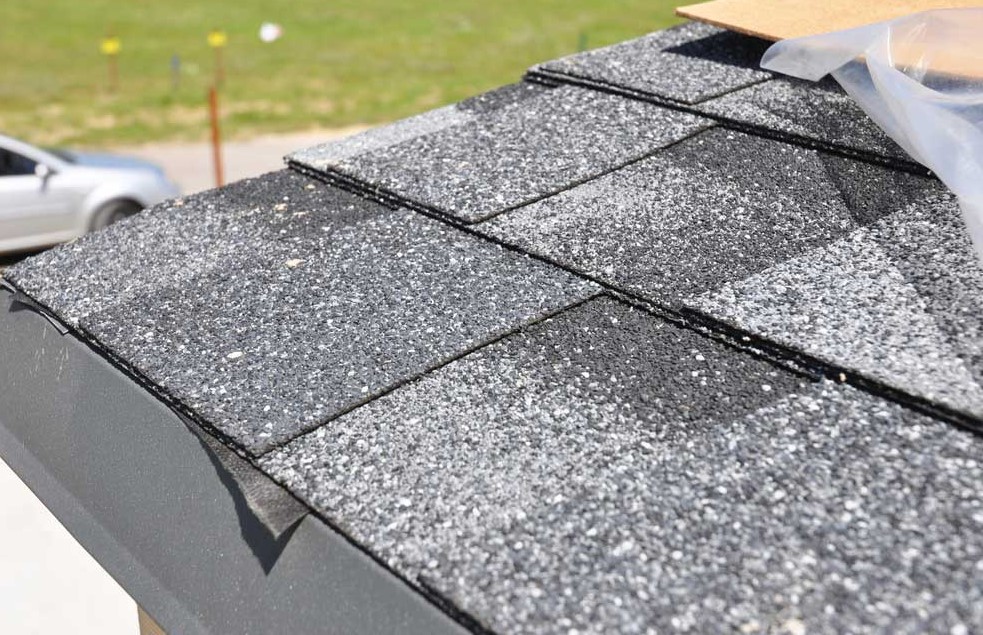
Asphalt shingles are a practical option for many homeowners, but they still age under heat and UV exposure.
During extended dry weather, shingles may lose granules, curl at the edges, or become less flexible. Wind-driven rain can then lift weak shingle edges and push water into areas that normally stay dry.
Once shingles stop shedding water properly, the system becomes more vulnerable around nails, seams, and flashing.
Solar Panels Can Hide Debris and Weak Points
Solar panels can complicate roof evaluation because they cover parts of the roof surface.
Leaves, bird nesting material, and debris can collect under panel arrays. Mounting points and penetrations also need careful waterproofing.
Solar panels are not the problem. Poor roof preparation is the problem. Before heavy rain arrives, the roof underneath still needs to be ready.
Deep Dive: What Strong Roof Waterproofing Actually Includes
Waterproofing your roof is not about one product. It’s a system of materials, workmanship, drainage, and details working together to protect the structure.
Key Waterproofing Components
Underlayment: This layer sits beneath tile, shingles, or other roofing materials. It’s critical when wind-driven rain gets past the surface layer.
Flashing: Flashing protects transitions where the roof meets walls, chimneys, skylights, vents, or other structures.
Sealants: Sealants close small gaps around penetrations and roof accessories. They’re vulnerable to UV damage and age.
Drainage design: Valleys, gutters, scuppers, drains, and roof slopes move water away before it can sit and create damage.
Roof surface materials: Shingles, tile, TPO, PVC, modified bitumen, coatings, and built-up roofing each perform differently under heat and rain.
Pros and Cons of Repairing Before El Niño
Pros
- You can catch weak points before interior damage starts.
- Dry weather makes many roof issues easier to evaluate.
- Scheduling is usually less stressful before storms arrive.
- Small repairs may prevent larger water damage.
- A proposal gives you time to compare options clearly.
Cons
- Hidden damage may increase the scope once the roofing is opened.
- Some roofs are too aged for spot repairs to make sense.
- Materials and labor may vary depending on the roof type.
- Work may require permits if the project goes beyond surface repair.
The goal isn’t to spend money before you need to. The goal is to make a clear decision before a storm makes that decision for you.
How Guardian Roofs Solves These Challenges
Guardian Roofs approaches every project from a system-first perspective. We look beyond the visible leak and consider roof age, material type, drainage, flashing, underlayment, ventilation, and long-term exposure.
If you’re comparing a local roofing company in San Diego County, look for more than a quick patch and a low number. Look for a team that can clearly explain the full system.
We’re a family-owned, A+ BBB-rated roofing company with 36 years in business. Our team is Owens Corning Platinum Preferred and GAF Master Elite, which means we meet high manufacturer standards for training, installation, and accountability.
Homeowners and property managers across the region trust us because we focus on clean job sites, respectful crews, quality craftsmanship, and clear communication. We’re also highly reviewed on Yelp, HomeAdvisor, and other platforms.
Full re-roofs include a 10-year workmanship warranty, and qualifying Owens Corning systems may include up to a 50-year manufacturer warranty. Flexible financing is available for most jobs, and our specialists can walk you through options during an in-home visit.
You don’t need pressure. You need facts, options, and a clear proposal.
Smart Questions to Ask Before El Niño Tests Your Roof
Can a long dry spell really damage my roof?
Yes, a long dry spell can damage your roof, even if everything looks fine from the ground. San Diego heat and UV exposure can dry out sealants, stress flashing, stiffen shingles, and wear down underlayment over time. You may not notice the problem until the first hard rain finds the weak spot.
How can I tell if my roof is ready for El Niño rain?
You can tell your roof is more likely to be ready for El Niño rain when water has a clear path off the roof, and the main leak-prone areas are sealed and secure. That means vents, skylights, flashing, drains, valleys, and roof edges all need attention. A clear roofing estimate can help identify issues you can’t safely see from the ground.
Where do roofs usually leak first during heavy rain?
Roofs usually leak first around the areas where different materials meet. That includes vents, skylights, chimneys, wall connections, valleys, drains, and low-slope transitions. These spots do more work than most homeowners realize, so they’re often the first places to fail when rain is heavy or wind-driven.
Is tile roofing a good choice for El Niño storms?
Tile roofing can perform well during El Niño storms when the full system is in good condition. The tile itself is only part of the protection. The underlayment, flashing, and drainage details underneath matter just as much. A tile roof can look solid from the street while still hiding wear below the surface.
When should I call about flat roof repair?
You should call about flat roof repair when you notice ponding water, bubbling, cracks, open seams, clogged drains, soft areas, or water stains inside the building. Flat and low-slope roofs depend on steady drainage. When water sits too long, small issues can turn into expensive leaks.
Do roof repairs require permits?
Roof repairs may require permits depending on the type of work being done. Small surface repairs may be different from structural work, sheathing replacement, or larger roofing projects. The best move is to confirm the scope before work starts so there are no surprises later.
What should I do if I’m searching for a free leak inspection in Vista, CA?
If you’re searching for a free leak inspection in Vista, CA, start by requesting a clear roofing estimate or proposal. Guardian Roofs uses estimates and proposals for roofing work, while “inspection” is usually reserved for roof certifications. The important thing is getting a trained roofer to look at the issue before the next storm makes it worse.
Should I repair or replace my roof before storm season?
You should repair your roof before storm season, when the problem is limited, and the rest of the system still has life left. Replacement may be the smarter option if leaks keep recurring, materials are brittle, underlayment is failing, or the roof is already near the end of its service life.
Don’t Let the First Storm Make the Decision
The long dry spell isn’t harmless just because your ceiling is still dry. In Southern California, months of sun and heat can weaken the waterproofing details that matter most once El Niño rain arrives.
Smart homeowners don’t wait for water damage to tell them what’s wrong. They ask better questions earlier. They get clear information. They choose quality over shortcuts. They protect the home before the storm tests it.
Guardian Roofs brings 36 years of experience, strong manufacturer certifications, an A+ BBB rating, trusted local reviews, competitive pricing, clean crews, and clear estimates to every project. We’re here to help you protect your family, your property, and your long-term investment with roofing work built to last.
Schedule your free estimate today.
