
Imagine two identical homes built the same year. One sits near the Pacific, exposed daily to salt air and marine moisture. The other is located inland where summer temperatures regularly climb into the 90s and beyond under intense UV exposure. Ten years later, one roof shows corrosion around flashing and fasteners. The other shows accelerated shingle wear from prolonged heat.
That contrast explains why choosing the best roofing materials for homes near the coast vs inland valleys requires more than comparing prices. A strategic roofing material comparison helps homeowners select coastal roof materials or heat-resistant systems that truly support long lasting roofing and dependable roof material durability in San Diego.
In this guide, you’ll learn:
- How coastal and inland climates impact roofing systems differently
- Lifespan ranges and cost tiers by material
- How ventilation, underlayment, and corrosion resistance affect durability
- The best roofing materials by location and scenario
If you’re evaluating options for your home’s location and microclimate, Guardian Roofs can help.
Why Location Changes Roofing Performance
San Diego County’s roofing performance varies dramatically because of its microclimates. In fact, we break this down in detail in our guide, “How San Diego’s Microclimates Affect Roofing Performance More Than You Realize.” It explains why two homes only miles apart can experience completely different roof aging patterns.
Here’s the short version:
Coastal Roofing Conditions
Homes closer to the ocean experience:
- Salt-laden air that accelerates corrosion
- Marine layer moisture
- Wind-driven rain
- Coastal uplift pressure
Salt exposure primarily impacts metal components—flashing, fasteners, drip edge, and valley metal. Even when shingles or tile appear intact, hidden corrosion beneath can reduce overall roof system lifespan.
For coastal home roofing, corrosion resistance is foundational to long-term durability.
Inland Valley Roofing Conditions
Inland valley roof replacement projects must account for:
- Summer highs frequently reaching 90–100°F
- High UV index exposure
- Thermal expansion and contraction
- Santa Ana wind events
In these environments, roof material durability is challenged by heat degradation. Shingles may lose protective granules faster. Underlayment can dry prematurely without proper ventilation.
The best roofing material isn’t universal—it’s climate specific.
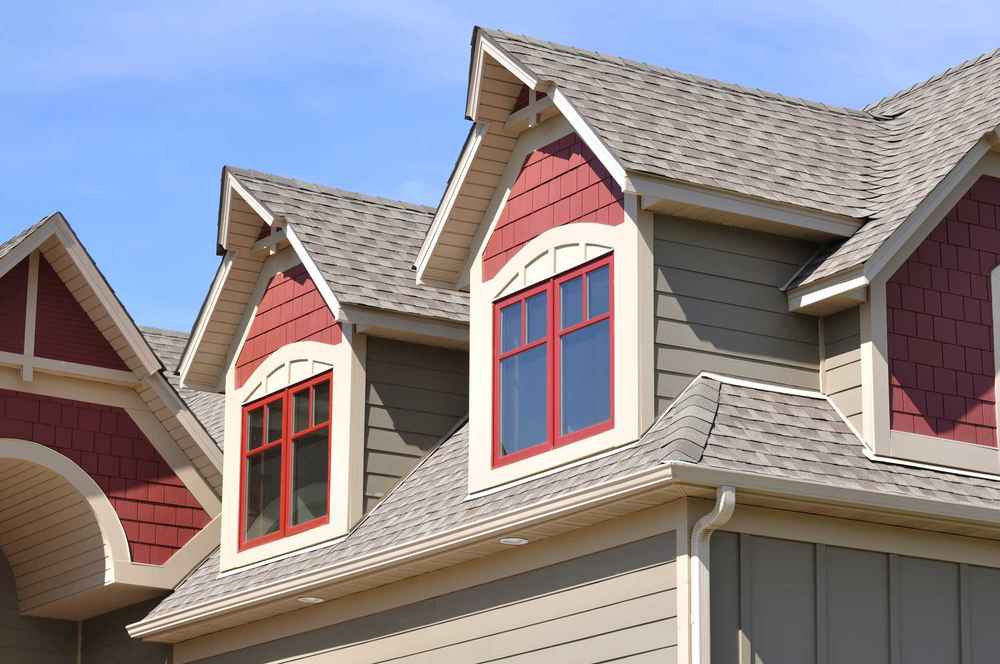
Solution Prep: What to Evaluate Before Choosing a Roofing System
Before comparing coastal roof materials and inland heat-resistant roofing, consider:
Budget vs Lifecycle Cost
- Asphalt shingles: Budget to mid-range
- Tile roofing: Mid to premium
- Flat systems (TPO / Modified Bitumen): Mid-range
True long lasting roofing means evaluating 20–50 years of performance, not just initial cost.
Structural Requirements
Tile and slate systems are heavier than shingles. Your roof framing must support the weight before installation.
Insurance & Resale Value
Class A fire-rated materials may align with insurance expectations. Tile roofing often supports resale appeal in Southern California markets due to its durability and fire resistance.
Permits & HOA Requirements
Roof replacements typically require permits. HOA communities may restrict material types or colors.
With those factors clarified, we can compare materials based on coastal vs inland performance.
Roofing Material Comparison: Coast vs Inland Valleys
Asphalt Shingle Roofing
Cost Tier: Budget to Mid-Range
Typical Lifespan: 20–30 years inland (premium grades longer); potentially reduced near heavy salt exposure
Wind Ratings: 110–130 mph options available
Coastal Performance
Shingles can perform well in coastal areas when paired with corrosion-resistant fasteners and sealed flashing. Without those upgrades, salt air may shorten component lifespan—even if shingles appear intact.
Inland Performance
Inland heat resistant roofing requires UV-protected architectural shingles and balanced ventilation. Without airflow, attic temperatures can exceed 130°F, accelerating shingle aging.
Maintenance
- Flashing inspection (especially coastal homes)
- Granule monitoring (especially inland homes)
- Ventilation review
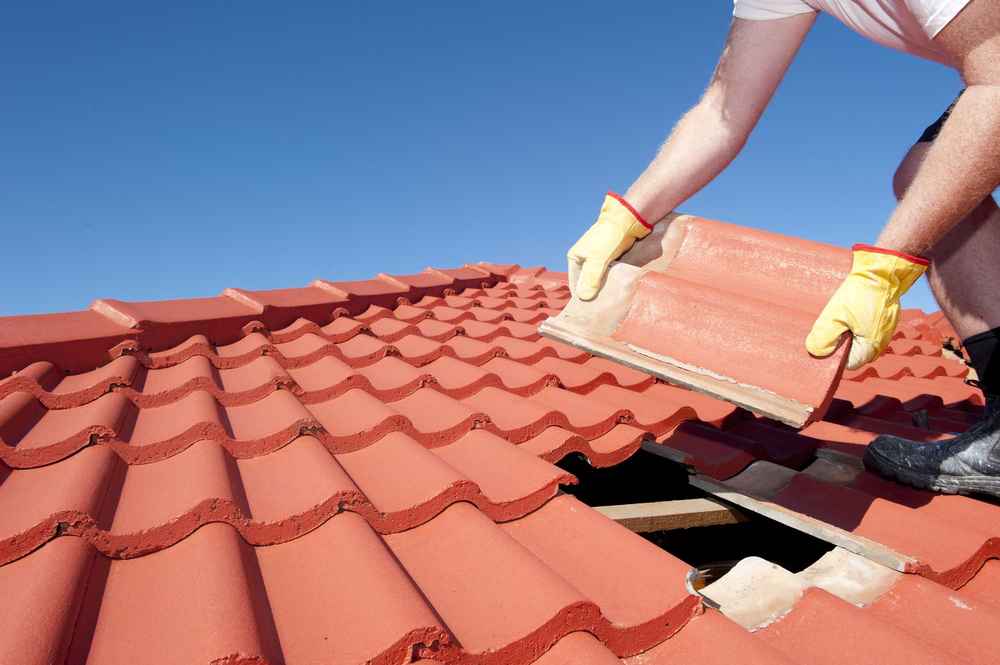
Tile Roofing (Clay & Concrete)
Cost Tier: Mid to Premium
Tile Lifespan: 40–50+ years
Underlayment Lifespan: 20–30 years (longer with premium synthetic upgrades)
Tile consistently ranks among the best roofing materials for homes near the coast vs inland valleys.
Coastal Performance
Tile resists salt air and moisture effectively. Corrosion-resistant fasteners and flashing remain critical underneath.
Inland Performance
Tile reflects heat and withstands UV exposure better than most lightweight systems, supporting roof material durability in hotter zones.
Underlayment Matters
While tile itself may last decades, underlayment beneath it eventually needs replacement. Choosing high-performance synthetic underlayment strengthens long lasting roofing in both environments.
Flat Roofing Systems: TPO vs Modified Bitumen
TPO Roofing
Lifespan: 20–30 years
Best for: Inland valley roof replacement
Its reflective surface supports cool roof performance and heat resistance.
Modified Bitumen
Lifespan: 20–25 years
Best for: Coastal low-slope roofing
Its layered waterproofing construction performs well in moisture-prone environments.
Best Roofing Materials by Scenario
- Best for coastal durability: Concrete or clay tile with corrosion-resistant components
- Best for inland heat resistance: Tile or reflective TPO systems
- Best budget option: Architectural asphalt shingles with upgraded ventilation
- Best long-term investment: Tile paired with premium synthetic underlayment
- Best for coastal low-slope sections: Modified bitumen
The same roof that performs well inland may not deliver the same durability near the ocean.
What Truly Determines Long Lasting Roofing
Material selection is only part of the equation.
Ventilation’s Role in Inland Durability
Inland attic temperatures often exceed 130°F during peak summer. Without balanced ventilation:
- Shingle lifespan decreases
- Underlayment ages faster
- Cooling costs rise
Ventilation is critical for inland valley roof replacement projects.
Salt-Air Impact on Coastal Systems
For coastal home roofing, stainless or coated fasteners and sealed flashing protect against corrosion and preserve manufacturer warranty eligibility.
Warranty Structure & Certification
Premium systems may carry 50-year manufacturer warranties when installed by certified contractors. Workmanship warranties—often 10 years on full re-roofs—cover installation quality.
Improper installation in coastal or inland environments can compromise long-term coverage.
Energy Efficiency & Insulation
Reflective roofing materials combined with proper attic insulation:
- Reduce cooling demand inland
- Stabilize attic temperatures
- Improve long-term performance
Upgrading insulation during roof replacement strengthens durability across both climates.
Coast vs Inland Roofing Questions Homeowners Ask in San Marcos
Choosing between coastal roof materials and inland heat-resistant systems often raises practical questions. Below are the most common concerns homeowners ask when comparing roofing performance near the coast versus inland valleys.
Which roofing material lasts longest near the coast?
Tile roofing lasts the longest near the coast. Concrete and clay tile resist salt air and marine moisture better than most lightweight materials, especially when installed with corrosion-resistant flashing and fasteners.
What works best for inland valley roof replacement?
Tile or reflective TPO systems work best for inland valley roof replacement. These materials withstand high UV exposure and intense heat while helping reduce attic temperatures when paired with proper ventilation.
Does inland heat shorten roof lifespan?
Yes, inland heat shortens roof lifespan without proper ventilation. Prolonged UV exposure and attic temperatures exceeding 130°F can accelerate shingle aging and underlayment deterioration.
Are corrosion-resistant fasteners necessary for coastal homes?
Yes, corrosion-resistant fasteners are necessary for coastal homes. Salt air can degrade standard metal components more quickly, which may compromise flashing integrity and overall roof material durability.
Is tile worth the higher upfront investment?
Yes, tile is often worth the higher upfront investment for long-term durability. With lifespans of 40–50+ years, tile systems frequently outperform lower-cost materials over time in both coastal and inland climates.
Can underlayment affect overall durability?
Yes, underlayment significantly affects overall durability. High-performance synthetic underlayment strengthens waterproofing beneath tile or shingles and supports long lasting roofing in both coastal and inland environments.
Conclusion: Climate Should Drive Your Roofing Decision
Choosing the best roofing materials for homes near the coast vs inland valleys requires climate awareness. Coastal systems must resist corrosion and moisture. Inland systems must withstand heat, UV, and thermal expansion.
A smart roofing material comparison ensures your investment supports long lasting roofing and dependable roof material durability in San Diego.
With decades of experience, certified installation standards, and manufacturer-backed warranty options, Guardian Roofs provides climate-specific recommendations designed for your property.
