
Commercial roofing systems like TPO, PVC, modified bitumen, and built-up roofs each serve a different purpose based on cost, durability, and building use. TPO is often the go-to for energy efficiency and budget control. PVC offers stronger long-term durability. Modified bitumen handles stress and foot traffic, while built-up roofing provides layered protection. Choosing the right system comes down to how your building performs over time, not just upfront cost.
If you own or manage a commercial property in Southern California, you already know roofing problems don’t show up gradually. They show up all at once. Months of sun exposure weaken materials, then the first heavy rain finds every weak spot. That’s why understanding TPO, PVC, modified bitumen, and built-up roofs is not just helpful. It’s necessary for protecting your building and your budget.
Here’s what you’ll take away from this guide:
- How TPO, PVC, modified bitumen, and built-up roofing systems actually compare
- Which commercial roofing system makes sense based on your building
- What to plan before choosing a system
- How to avoid expensive mistakes tied to poor system selection
If you want a clear, financially sound path forward, Guardian Roofs can help.
Why Understanding Commercial Roofing Systems Matters for Your Building
When people search for commercial roofing systems like TPO, PVC, modified bitumen, and built-up roofs, they’re really looking for clarity. Not just what each one is, but how they affect cost, performance, and long-term planning.
Let’s break down what each system actually is in practical terms:
- TPO roofing systems are single-ply membranes designed for energy efficiency and lower installation cost
- PVC roofing systems are similar in structure but offer stronger durability and resistance to chemicals
- Modified bitumen roofing is an asphalt-based system built for flexibility and multi-layer protection
- Built-up roofing (BUR) uses multiple layers of materials to create a thick, long-lasting barrier
In Southern California, these systems are constantly tested by:
- High UV exposure that accelerates wear
- Heat that increases cooling costs if the roof is not reflective
- Seasonal rain that exposes drainage and seam issues
- Energy codes that favor cool roofing materials
Understanding these systems is not about memorizing features. It’s about knowing how each one performs under real conditions so you can make a decision that holds up over time.
What You Need to Know Before Choosing Between TPO, PVC, Modified Bitumen, and Built-Up Roofs
Before selecting a system, property owners need to step back and look at the bigger picture. Choosing between TPO, PVC, modified bitumen, and built-up roofing systems without a plan is where costly mistakes happen.
Budget for the Full Lifecycle, Not Just Installation
One of the biggest misconceptions is that the cheapest system is the most cost-effective. It is not.
A lower-cost roof that lasts 12 to 15 years may seem like a good deal, but if a higher-quality system lasts 25 years, you avoid paying for installation twice. That difference alone can double your total cost over time.
Understand How Your Building Is Used
Every commercial property has different demands.
- Buildings with heavy rooftop traffic need more durable systems like modified bitumen
- Facilities with chemical exposure benefit from PVC roofing systems
- Large flat roofs often lean toward TPO for cost efficiency
Matching the system to how the building is used is one of the most important decisions you will make.
Account for Local Codes and Energy Requirements
California energy standards push for reflective roofing systems. This is where TPO and PVC often stand out. Choosing a system that aligns with these requirements helps reduce energy costs and avoids compliance issues.
Work With a Contractor Who Understands All Four Systems
Not every contractor installs all types of commercial roofing systems. Experience matters when comparing TPO, PVC, modified bitumen, and built-up roofs because each system requires different installation methods and long-term planning.
How to Choose Between TPO, PVC, Modified Bitumen, and Built-Up Roofing Systems
When property owners search for commercial roofing systems like TPO, PVC, modified bitumen, and built-up roofs, they’re usually trying to answer one simple question: which one is right for my building?
Here is a clear way to think about it.
- Choose TPO roofing if your priority is balancing cost and energy efficiency. It performs well in high-heat environments and keeps upfront costs manageable.
- Choose PVC roofing systems if your building needs long-term durability or is exposed to grease, chemicals, or industrial conditions.
- Choose modified bitumen roofing if your roof sees frequent foot traffic or needs flexibility to handle temperature changes.
- Choose built-up roofing if you want a heavy-duty, layered system with a long track record of performance.
This framework simplifies what can otherwise feel like an overwhelming decision.
Comparing TPO, PVC, Modified Bitumen, and Built-Up Roofs in Real Conditions
Understanding how each system performs in the real world is key to making the right choice.
TPO Roofing Systems: Practical and Energy Efficient
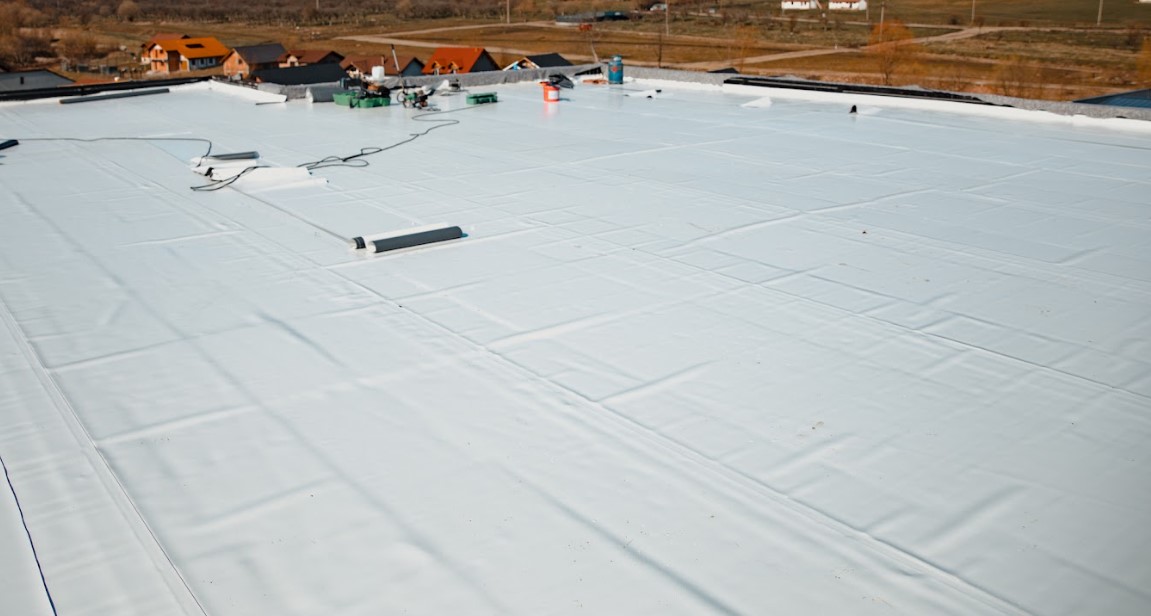
TPO is one of the most widely used commercial roofing systems for a reason. Its reflective surface helps reduce heat absorption, which lowers cooling costs in warm climates.
It is often the first choice for property owners who want a balance between cost and performance. However, the quality of installation matters. Poor seam work can lead to leaks, which is why choosing the right contractor is critical.

PVC Roofing Systems: Built for Durability
PVC roofing systems are known for long-term performance. They resist chemicals, grease, and moisture better than many alternatives, making them ideal for restaurants or industrial buildings.
The higher upfront cost can be justified by longer lifespan and fewer repair issues over time.
Modified Bitumen Roofing: Strength and Flexibility
Modified bitumen roofing is designed to handle stress. It performs well in buildings where the roof is used regularly for maintenance or equipment access.
Its layered structure provides durability, but it may require additional coatings to improve energy efficiency in hot climates.
Built-Up Roofing: Proven and Heavy-Duty
Built-up roofing systems have been used for decades and are known for their durability. The multiple layers create strong protection against water intrusion.
However, they are heavier and take longer to install, which can increase labor costs.
Real-World Scenario: When the Wrong System Leads to Higher Costs
A commercial building owner chose a lower-cost roofing system without considering heat exposure or long-term performance. Within a few years, the roof required frequent repairs and increased cooling costs.
If they had chosen a reflective system like TPO or a more durable option like PVC, they could have avoided those recurring expenses. This is a common example of why understanding commercial roofing systems upfront matters.
Deep Dive: Long-Term Value of TPO, PVC, Modified Bitumen, and Built-Up Roofing
Choosing between these systems is ultimately about return on investment.
Energy Efficiency and Cost Savings
TPO and PVC reflect sunlight, reducing roof temperatures and lowering cooling costs. In Southern California, this can significantly impact operating expenses over time.
Lifespan and Replacement Cycles
- TPO roofing systems typically last 15 to 25 years
- PVC roofing systems often last 20 to 30 years
- Modified bitumen roofing averages around 20 years
- Built-up roofing can last 20 to 30 years with proper maintenance
Longer lifespan means fewer replacements and lower long-term costs.
Maintenance and Risk Management
Single-ply systems like TPO and PVC are easier to repair, while multi-layer systems like modified bitumen and BUR provide durability but can require more involved maintenance.
Warranties and Protection
With the right contractor, you can secure:
- 50-year manufacturer warranties on select systems
- 10-year workmanship warranties on full installations
These protections only apply when systems are installed correctly by certified professionals.
How Guardian Roofs Helps You Navigate Commercial Roofing Systems
Understanding commercial roofing systems like TPO, PVC, modified bitumen, and built-up roofs is one thing. Knowing how to apply that knowledge to your specific building is another.
Guardian Roofs helps property owners:
- Compare roofing systems based on real performance, not just specs
- Align roofing choices with budget and long-term goals
- Install systems that meet local requirements and hold up over time
The process is straightforward:
- A detailed estimate that outlines your options
- Clear recommendations based on your building
- Planning for long-term maintenance and cost control
- Efficient installation with minimal disruption
Need help navigating your roof financing options? Flexible solutions are available to help you move forward without delaying necessary work.
Commercial Roofing System Questions Property Owners Ask Before Choosing Between TPO, PVC, Modified Bitumen, and Built-Up Roofs
Before deciding between TPO, PVC, modified bitumen, and built-up roofing, most property owners want clear, practical answers about cost, lifespan, and performance. These questions come up consistently when comparing commercial roofing systems, especially when long-term value is on the line.
How much does each commercial roofing system cost?
Commercial roofing system costs vary depending on the material, building size, and installation complexity. TPO is typically the most affordable upfront, while PVC costs more but may reduce long-term repair expenses. Modified bitumen and built-up roofing usually fall in the mid-range depending on layering and labor.
Which roofing system lasts the longest?
The roofing systems that last the longest are usually PVC and built-up roofing, both capable of reaching 20 to 30 years with proper installation and maintenance. TPO and modified bitumen also offer solid lifespans but may require more upkeep over time.
Is TPO or PVC better for long-term value?
TPO is better for lower upfront cost and energy efficiency, while PVC is better for long-term durability and resistance to chemicals and wear. The better value depends on whether you prioritize initial savings or reduced maintenance over time.
What is the most cost-effective roofing system overall?
The most cost-effective roofing system overall is often TPO because it balances affordability with energy efficiency. However, in buildings with higher wear or exposure, investing in PVC or another durable system may deliver better long-term value.
Do all commercial roofs need maintenance?
All commercial roofs need regular maintenance to perform properly and reach their expected lifespan. Annual evaluations and minor repairs help prevent larger, more expensive issues from developing.
Can I replace my roof in phases?
Commercial roofs can be replaced in phases to help manage costs and reduce disruption to operations. This approach allows property owners to prioritize the most critical areas first.
Are energy-efficient roofing systems worth it?
Energy-efficient roofing systems are worth it because they reduce cooling costs and improve overall building performance, especially in high-heat climates like Southern California.
Final Thoughts: Make the Right Call on Your Commercial Roofing System
When it comes to commercial roofing systems like TPO, PVC, modified bitumen, and built-up roofs, the goal is simple: choose a system that protects your building and makes financial sense over time.
Each system has its place. The key is matching it to your property, your budget, and your long-term plan.
Guardian Roofs brings over 36 years of experience, strong certifications, and a straightforward approach to helping property owners make smart roofing decisions.
Get your no-pressure estimate today. Let’s make your roof a smart investment.
