
If you are an Orange County resident, you already know the heat isn’t messing around, especially in the summer. Your AC is working overtime, your attic turns into an oven, and your electric bill makes you question everything. Sound familiar?
Here’s the part most people overlook: your roof could be making all of that worse. Or it could be the thing that helps you save money and stay comfortable in your own house.
This post is for homeowners who want to make financially sound, no-regret decisions about their home. We’re going to cover:
- Why heat resistant roofing matters in Southern California and how much it’s costing you if you ignore it
- What you need to think about before replacing or upgrading your roof
- The best cool roof materials that deliver real value
- How Guardian Roofs helps you choose smart, budget-conscious options without the sales pitch
Want to skip the research and talk to a real expert? Get your no-pressure estimate today.
Why Roof Heat Protection Is Critical in Orange County
Let’s cut to it. If your roof traps heat instead of reflecting it, you’re paying for it every single month. That adds up fast in energy bills and long-term roof damage.
What Is Heat Resistant Roofing?
Heat resistant roofing uses materials designed to reflect sunlight and block heat, not absorb it. These systems keep your attic cooler, reduce the strain on your HVAC system, and lower your utility bills.
Why It Matters in Orange County:
- We get more than 280 sunny days a year
- Air conditioning runs hard in summer
- California Title 24 energy code requires reflective roofing for many homes
- Most roofs are not built for long-term energy performance unless you choose the right materials
This isn’t just about comfort. It’s about building a home that’s energy-efficient and financially smart.
What to Know Before You Replace or Upgrade Your Roof
Before jumping into a heat-resistant roofing project, there are a few things to consider.
Know Your Budget
Cool roofs cost more upfront, but they pay you back through lower energy bills and longer lifespan. If you don’t want to pay in full, Guardian Roofs offers financing through Wells Fargo, Synchrony, Mosaic, and Ygrene. No pressure. We’ll walk you through your options and find something that makes sense.
Need help navigating your roof financing options? Just ask.
Permits and Code Compliance
Most roofing projects in California require permits. On top of that, Title 24 requires energy-efficient roofing for many homes. Guardian Roofs handles all permits and ensures your roof meets current code so you don’t have to worry about the paperwork or the fine print.
Know Your Roof Type
Different roof designs need different materials. A flat roof needs a different approach than a steep one. TPO or PVC is best for flat roofs. Shingles or tile work better on pitched roofs. We’ll recommend what fits your home, not what gives us the biggest profit.
Best Cool Roof Materials That Don’t Waste Your Money
You don’t need luxury materials. You need roofing that performs well, saves energy, and holds up over time.
Reflective Asphalt Shingles
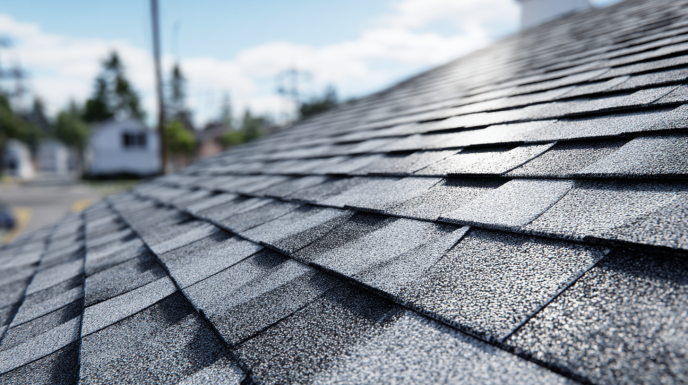
These look like standard shingles but are built to reflect heat.
- Lower cost
- Good for traditional homes
- Available in lighter, energy-compliant colors
Clay or Concrete Tile
Tile roofing naturally insulates and holds up well under heat.
- Long lifespan
- Great for insulation and energy savings
- Heavier, which may require structural evaluation
TPO and PVC Roofing
Ideal for flat or low-slope roofs. These white membranes reflect heat and meet strict energy performance standards.
- Reduces roof temperature by up to 60 degrees
- Used on HOAs, multi-family buildings, and commercial properties
Roof Coatings
An affordable way to upgrade an existing flat roof. Reflective coatings extend roof life and meet energy codes.
- Cheaper than a full replacement
- Works if your current roof is in good shape
- Good short- to mid-term solution
Want to compare more roof system types? Check out our post on How Modern Roofing Systems Improve Comfort, Efficiency, and Property Value in Southern California.
The Real Numbers: What a Heat Resistant Roof Delivers
Energy Savings
Cool roofing can cut energy use for cooling by 10 to 30 percent. If you’re spending $1,500 a year on air conditioning, that’s up to $450 saved annually.
Warranty Coverage That Means Something
Guardian Roofs is an Owens Corning Platinum Preferred Contractor and a GAF Master Elite Installer. That gives you access to top-tier warranties.
- 50-Year Manufacturer Warranty
- 10-Year Workmanship Warranty on full re-roofs
We stand behind our work because it’s done right the first time.
Pros and Cons of Heat Resistant Roofing Options
| Material | Pros | Cons |
| Reflective Shingles | Affordable, improves energy efficiency | Shorter lifespan than tile |
| Clay or Concrete Tile | Durable, fire-resistant, energy-saving | Heavy and more expensive to install |
| TPO/PVC | Excellent reflectivity, good for flat roofs | Not for steep-slope homes |
| Roof Coatings | Cost-effective, extends life of current roof | Limited to existing flat roofs in decent shape |
Frequently Asked Questions About Heat Resistant Roofing in Orange County
If you’re thinking about upgrading to a heat resistant roof in Orange County, you’re not alone. Homeowners are asking smart questions about roofing energy efficiency, material options, and how to stay compliant without overspending. Here are the most common questions we hear—and straight answers to help you make the right call.
What is the best heat resistant roofing for Orange County homes?
The best heat resistant roofing for Orange County homes depends on the roof design and your budget. TPO membranes are ideal for flat roofs, while reflective asphalt shingles or clay tile work well for sloped roofs and provide solid energy savings in hot weather.
Do cool roofs qualify for energy rebates?
Yes, cool roofs can qualify for energy rebates from certain utility providers in California. These rebates typically apply to roofing systems that meet specific energy efficiency standards, and our team can help you check eligibility and handle the paperwork.
Does California require cool roof materials?
Yes, California requires cool roof materials under the state’s Title 24 energy code for many roof replacements and new installations. This includes using materials that reflect solar energy to reduce building heat gain and improve energy efficiency.
Will a heat resistant roof lower my energy bills?
Yes, a heat resistant roof will lower your energy bills by keeping your attic cooler and reducing the load on your air conditioning system. Many homeowners see annual savings of 10 to 30 percent on cooling costs after installing a heat-reflective roof.
How long does a cool roofing system last?
A cool roofing system can last anywhere from 20 to 50 years depending on the materials used and the quality of installation. At Guardian Roofs, we install systems backed by up to 50-year manufacturer warranties and a 10-year workmanship guarantee.
Do you install both residential and commercial heat resistant roofs?
Yes, we install both residential and commercial heat resistant roofs throughout Orange County and surrounding areas. Our services cover everything from single-family homes to apartments, HOAs, and commercial buildings.
How quickly can I get an estimate for a cool roof?
You can typically get an estimate for a cool roof as early as the next day, depending on our availability. We offer no-pressure, detailed estimates that help you plan your project with financial clarity and confidence.
Choose a Roof That Works, Saves, and Lasts
A roof should do more than just keep out the rain. It should protect your home from heat, lower your energy bills, and hold up for decades. When you choose the right materials and the right contractor, you get all three.
At Guardian Roofs, we’ve been helping homeowners make smart, budget-conscious roofing choices for over 36 years. We’re certified, experienced, and we’re not here to upsell you—we’re here to help you invest wisely.
Let’s make your roof a smart investment. Schedule your no-pressure estimate today.
