
Your tile roof can look completely normal from the street while a problem develops underneath it. That’s what makes underlayment failure so easy to overlook. Clay and concrete tiles can remain serviceable even as the protective materials beneath them begin to deteriorate. Then, sustained rain arrives, moisture works beneath a cracked or shifted tile, and a weakness you couldn’t see suddenly becomes an attic leak or ceiling stain.
For Orange County homeowners, El Niño is a reason to pay attention, not panic. Heavy rain doesn’t automatically create roofing problems, but it can expose weaknesses that have been developing through years of heat, UV exposure, repairs, and normal aging.
The question isn’t simply, “Do my tiles look good?” It’s “What condition is the roof beneath those tiles actually in?”
Before sustained rain puts that question to the test, smart homeowners want to know:
- Is the problem a broken tile or failing underlayment?
- What warning signs point to trouble beneath the surface?
- What drives the cost of tile roof underlayment replacement?
- Can existing tiles be reused?
- When does another repair make sense?
- When are repeated repairs only delaying a larger problem?
Good-Looking Tile Can Hide a Leak Risk
A tile roof is a complete system, not just the clay or concrete visible from the ground. Underlayment provides an important secondary layer of water protection beneath the tile. If it deteriorates, rain that reaches below the surface has a greater chance of reaching the decking and attic. That’s why recurring tile roof leaks deserve a closer look.
Your Tiles and Underlayment Have Different Jobs
Homeowners naturally judge a roof by what they can see. Missing tiles, visible cracks, and pieces that have slipped out of position are obvious reasons for concern.
But tile is only part of the system. Depending on the roof, other important components can include underlayment, flashing, valleys, roof decking, fastening systems, and waterproofing details around vents, skylights, chimneys, and walls.
The tile sheds most rainwater and shields the materials below from direct exposure to weather. The underlayment provides another layer of protection when moisture reaches beneath that surface.
And moisture can get beneath the tile.
Wind-driven rain can enter small openings. A cracked or displaced tile may expose the area below it. Valleys and roof transitions can carry concentrated amounts of water.
When the underlayment remains serviceable, the roofing system has another line of protection. When it’s deteriorated, the margin for error narrows significantly.
Why Underlayment Can Deteriorate While Tile Still Looks Good
Clay and concrete tile can remain serviceable for a long time, but that doesn’t mean every component beneath them will age at the same rate.
Orange County roofs also face conditions that affect roofing materials year after year, including strong sun, heat, long dry periods, repeated temperature changes, Santa Ana winds, and periods of concentrated winter rain.
Underlayment problems may also develop around fasteners, penetrations, valleys, flashing, or areas affected by previous roof work.
That creates the situation that surprises homeowners most: the roof appears complete from the driveway, yet water still finds its way inside when the rain becomes sustained.
Broken Tile or Failing Underlayment? Know What You’re Fixing
A broken tile and deteriorated underlayment aren’t the same roofing problem. Before approving broken tile roof repair in Orange County, you deserve to know which one you’re actually paying to solve.
When a Tile Repair May Be Enough
Sometimes the damage really is isolated. A branch may strike the roof, one tile may crack, or a small number of tiles may become displaced while the materials below remain in good condition.
A targeted repair may make sense when:
- Only one or a few tiles are affected.
- Damage is limited to a defined area.
- The underlying materials remain serviceable.
- There’s no history of recurring leakage.
- Water intrusion hasn’t spread.
- The surrounding roof remains in reasonable condition.
There’s no reason to turn a limited repair into a major project when the roof doesn’t need one.
When Repeated Leaks Point Below the Tile
The situation changes when you’ve already repaired the visible problem, and water keeps coming back.
Maybe the same area leaks again. Maybe a different ceiling stain appears. Maybe several tile repairs have been completed over the years without ending the problem.
Warning signs of a deeper issue can include:
- Leaks returning after previous tile repairs.
- Multiple leak locations.
- Moisture is entering without an obvious missing tile.
- Deteriorated underlayment is visible in accessible areas.
- Recurring trouble near valleys or roof penetrations.
- Evidence of moisture reaching the decking.
- Multiple previous patches across the same roof.
At some point, replacing another tile without evaluating what’s beneath it can become an expensive way to treat a symptom.
You want to know the source.
What Drives the Cost of Tile Roof Underlayment Replacement?
Homeowners searching for tile roof underlayment replacement cost understandably want a number. But two Orange County homes with similar square footage can require very different amounts of work.
Underlayment sits beneath the tile, so labor, accessibility, roof design, existing materials, and hidden conditions all influence the final proposal.
The Amount of Underlayment That Needs Work
A localized damaged area differs from deterioration that extends across several roof planes.
If conditions are limited, targeted work may be appropriate depending on how the roof is constructed and the condition of surrounding materials. When deterioration is widespread, repeatedly opening and repairing individual areas can ultimately prove more costly without delivering good long-term value.
Roof Size, Shape, and Access
Square footage matters, but complexity matters too. A roof with several valleys, hips, skylights, chimneys, plumbing penetrations, wall transitions, or elevation changes generally requires more careful labor than a simple roof plane.
That’s why homeowners comparing proposals should look beyond a price per square foot and ask what the work actually involves.

Removing and Reusing Existing Tile
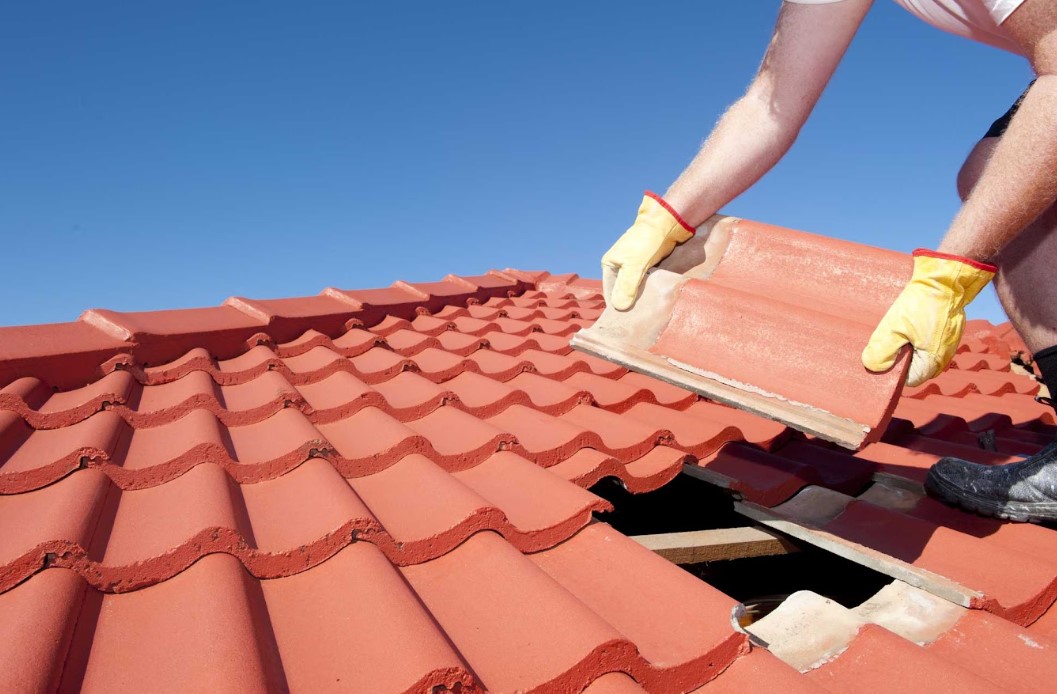
Replacing underlayment requires access below the tile. Depending on the roof and project scope, serviceable tiles may be carefully removed, staged, and reset after the work underneath is completed.
That can preserve existing roofing material with remaining useful life, but homeowners shouldn’t assume every tile will be reusable. Some may already be cracked, chipped, previously repaired, or difficult to match because the original product is older.
A clear proposal should explain how reusable and damaged tiles will be handled.
Decking, Valleys, and Flashing
Another cost factor may not become fully apparent until the roofing materials are removed.
If water has been reaching the roof deck, damaged wood may need attention before the roof can be properly restored. Valleys, flashing, and transitions around chimneys, skylights, walls, or vents may also need work if they’re contributing to water intrusion.
This is what quality looks like over time: fixing the water-management problem as a system rather than addressing the easiest visible symptom.
Why Sustained El Niño Rain Can Expose Hidden Roof Problems
El Niño shouldn’t be treated as a guarantee that every Orange County roof will leak. The practical concern is what longer or heavier periods of rain can reveal on a roof that already has a weakness.
Imagine water reaches beneath one tile.
If the underlayment remains in good condition, the roofing system still has another protective layer working beneath the surface. If that underlayment is torn, deteriorated, or compromised around a vulnerable area, the same amount of water presents a much different risk.
Sustained or wind-driven rain simply gives water more opportunities to find that weakness.
That’s why a roof can stay quiet through months of dry weather and suddenly show an interior leak during the first serious rainfall.
By the Time You See a Ceiling Stain, Water Has Already Traveled
An interior stain usually isn’t the beginning of a roof leak. It’s the point when the problem finally becomes visible.
Water that moves beyond the roof’s protective layers can reach:
- Roof decking.
- Rafters and wood components.
- Attic insulation.
- Drywall.
- Paint and interior finishes.
Water can also travel along the decking or framing before showing up indoors. The stain in your hallway may not sit directly beneath the original entry point.
That’s another reason identifying the cause matters more than repeatedly patching whatever appears closest to the stain.
When Does Another Repair Stop Making Financial Sense?
Nobody wants to replace roofing that still has a useful life. Guardian Roofs understands that. But protecting your budget also means recognizing when repeated repairs are no longer delivering value.
A targeted repair may still be the smart choice when the problem is isolated, water intrusion is limited, and the surrounding underlayment remains serviceable.
Broader underlayment work may deserve consideration when:
- Several areas are deteriorating.
- Leaks return after tile repairs.
- The underlayment no longer provides dependable protection.
- Valleys or flashing also require work.
- The roof has accumulated multiple patches.
- Repairing one section at a time has become repetitive.
A larger reroofing conversation may make sense when the overall condition of the roofing system shows that continued patching isn’t a practical long-term solution.
There isn’t a single age, a specific number of leaks, or a single repair bill that makes that decision for every homeowner.
The condition of the roof should make the case.
What Should You Do Before the Next Heavy Rain?
If your tile roof has already given you warning signs, dry weather gives you an advantage. You have more time to understand the problem before water actively enters the home.
If rain is approaching:
- Move valuables away from an existing interior leak.
- Safely contain dripping water when possible.
- Photograph ceiling stains and visible damage.
- Note when and where water appears.
- Check accessible attic areas only if it’s safe.
- Don’t climb onto a wet or steep tile roof.
- Request a roofing estimate before additional rain adds to the damage.
Improper foot traffic can crack tile, and walking on a wet roof creates a serious safety risk. Emergency leak prevention in Orange County should start by protecting people and the property’s interior, not by attempting an unsafe temporary roof repair.
Your Proposal Should Give You Answers, Not More Questions
You shouldn’t finish a roofing appointment wondering what you’re actually buying.
A useful tile roof proposal should explain:
- What appears to be causing the leak.
- Whether the problem is localized or widespread.
- What roofing materials need to be removed or replaced.
- Whether existing tile can reasonably be reused.
- How flashing and valley conditions will be handled.
- What happens if damaged decking is uncovered.
- Whether repair or broader work provides better long-term value.
- What applicable warranty comes with the work.
That level of clarity helps you compare options based on the actual condition of your roof rather than on fear of the next storm.
Guardian Roofs Helps Orange County Homeowners Make the Right Call
Guardian Roofs is a family-owned roofing company based in Orange, California, serving homeowners and property owners throughout Orange County and surrounding Southern California communities.
With decades of roofing experience, our team works with tile roofs, roof repairs, full re-roofs, residential roofing, commercial roofing, and other roofing systems. Guardian Roofs is an Owens Corning Platinum Preferred Contractor and GAF Master Elite roofing company, with an A+ rating from the Better Business Bureau.
Homeowners choose us for quality craftsmanship, competitive pricing, professional service, and detailed proposals that explain what the roof actually needs.
Full re-roofs include a 10-year workmanship warranty, and qualifying roofing systems may include applicable manufacturer warranty options. Financing is also available for many projects, with specialists who can help homeowners review available choices during an in-home visit.
You deserve to know the facts before making a roofing decision.
Questions Orange County Homeowners Ask About Tile Roof Underlayment
Because underlayment is hidden beneath the tile, homeowners often have questions about what different warning signs mean and how much work a problem may actually require. These FAQs address some of the most common concerns about repairs, replacement, leaks, and reusable tile.
How do I know if my tile roof underlayment is failing?
You may suspect your tile roof underlayment is failing if leaks return after tile repairs, water enters without an obvious missing tile, or deterioration is found beneath accessible roofing materials. Because underlayment is hidden, its overall condition usually can’t be determined just by looking at the roof from the ground.
How much does tile roof underlayment replacement cost?
Tile roof underlayment replacement cost depends on roof size, complexity, tile condition, accessibility, the amount of underlayment involved, flashing work, and whether damaged decking is uncovered. The labor required to remove and reset existing tile carefully can also affect the proposal.
Can a broken tile cause a roof leak?
A broken tile can contribute to a roof leak by allowing more water to collect beneath the tile. Whether that moisture reaches the home depends on the condition of the underlayment and surrounding roofing components. One broken tile doesn’t automatically mean the entire underlayment has failed.
Can existing tiles be reused when replacing underlayment?
Existing tiles can sometimes be reused during underlayment replacement when they remain serviceable and can be safely removed and reset. Some tiles may already be damaged, and matching replacement pieces can become more difficult with older products.
Does replacing a broken tile fix failing underlayment?
Replacing broken tile doesn’t fix deteriorated underlayment when the material beneath the tile is the actual source of the leak. An isolated tile repair may be appropriate, but recurring leaks after surface repairs warrant evaluating what’s happening below.
Can only one area of underlayment be repaired?
One area of the tile roof underlayment may sometimes be addressed when the problem is truly localized, and the surrounding materials remain serviceable. Whether that makes sense depends on the location of the damage, roof construction, and overall condition of the roofing system.
Why does my tile roof only leak during heavy rain?
A tile roof may only leak during heavy rain because sustained or wind-driven water can reach vulnerable areas that aren’t significantly tested by lighter rainfall. Deteriorated underlayment, flashing, valleys, or penetrations may stay unnoticed through dry weather and become obvious once water volume increases.
Find Out What’s Under Your Tile Before the Rain Does
A tile roof doesn’t have to look damaged to have a problem underneath it.
If your Orange County roof has a history of leaks, repeated tile repairs, attic moisture, or other warning signs, use the dry weather to understand what’s happening before sustained rain puts the system under pressure.
You may need a straightforward tile repair. You may need underlayment work. Or the overall condition of the roof may justify a broader solution. The important thing is to make that decision based on evidence, rather than waiting for the ceiling to make it for you.
Guardian Roofs can evaluate your tile roof concerns and provide a clear proposal based on your roof’s actual needs. Call (714) 633-3619 to request your free estimate.
