
July in Southern California has a way of making roof leaks feel like someone else’s problem. The weather is dry. The skies are clear. Most homeowners aren’t thinking about leak prevention until the first real rain shows up.
That’s exactly why this is the right time to act.
If you’re thinking about waterproofing your roof in Orange County, you’re probably not trying to add another project to your summer. You’re trying to avoid the moment when the first heavy winter rain finds a weak spot around a vent, valley, skylight, tile, or flat roof section. Heading into the 2026 to 2027 winter, climate forecasters have been monitoring El Niño conditions and their potential to influence seasonal weather across Southern California.
In this guide, you’ll learn:
- Why dry summer weather is the best time to fix leak-prone roof areas.
- How roof leaks often start before water appears indoors.
- Which roof areas usually fail first during heavy rain.
- What to know before approving repairs or replacement.
- How Guardian Roofs can help with a clear, no-pressure roofing proposal.
The Quick Answer: Why Waterproof Your Roof Before Rain Season?
The best time to waterproof a roof is before active leaks begin. Dry July weather gives homeowners time to repair flashing, replace cracked tiles, address weak underlayment, correct drainage issues, and prepare flat or low-slope roof areas before winter storms test the system. Once the rain starts, schedules fill quickly and the risk of water damage goes up.
Why El Niño Roof Preparation Matters Locally
El Niño is the warm phase of a natural Pacific climate pattern that can shift normal temperature and rainfall patterns across parts of the United States.
For homeowners, the roofing takeaway is simple. El Niño doesn’t guarantee that every home will leak. “Super El Niño” also isn’t the best way to plan a roofing project. The practical concern is that wetter winter patterns can expose problems that stayed hidden through months of heat, sun, and dry weather.
Southern California roofs deal with a tough cycle. Long dry stretches bake shingles, sealants, tile underlayment, and flashing. Then the first serious rain looks for every weak point. A roof can look fine from the street in July and still leak during the first heavy storm.
What Does It Mean to Waterproof a Roof?
Waterproofing a roof means improving the roof system’s ability to keep water out. It isn’t about coating over a random problem area or hiding damage.
Depending on the roof, that may include:
- Repairing cracked or slipped tiles.
- Replacing damaged shingles.
- Correcting failed flashing.
- Repairing worn underlayment.
- Sealing vulnerable penetrations.
- Improving low-slope drainage.
- Applying roof coatings where appropriate.
- Replacing sections that can’t be repaired reliably.
The goal is straightforward. Find where water could enter, fix the source, and reduce the chance of the next rain turning into an interior leak.
Why Leaking Tile Roofs Need Attention Before Winter
Tile roofs are common throughout Orange County because they handle heat well and fit many local home styles. But the tile itself isn’t the entire waterproofing system.
The underlayment beneath the tile helps protect the home when wind-driven rain gets under the surface. Over time, that layer can become brittle, torn, or worn out. When that happens, the roof may still look fine from the street while water is already finding a path underneath.
That’s why repairing tile roof leaks in OC often involves more than replacing a single broken tile. The real issue may be loose flashing, aged underlayment, shifted tiles, or debris that redirects water toward a vulnerable area.
What to Know Before You Start Waterproofing Work
Budget
Small roof repairs are usually easier to manage before water reaches the attic, decking, insulation, or drywall. Once moisture gets inside, the project can shift from a roofing repair to a larger home repair problem.
We’ll provide a detailed proposal that explains the damaged areas, recommended materials, and whether repair or replacement makes better financial sense.
Permits
Not every roof repair requires the same permitting process as a full reroof. Larger reroofing projects may involve city requirements, material standards, and California energy code considerations.
Our team can explain what applies to your home before work begins, so you’re not left guessing about the next step.
Materials
The right solution depends on your roof type. Tile, asphalt shingles, flat roofing, PVC, TPO, modified bitumen, BUR, and roof coatings all solve different problems. A repair that works on a flat roof may not make sense on a tile roof.
That’s why we look at the full roof system before recommending a repair plan.
Timing
July gives homeowners one major advantage: control. Once storms arrive, contractors get busier, repair windows shrink, and active leaks become more stressful. Dry-season work is usually cleaner, easier to evaluate, and less reactive.
A Dry-Season Checklist for Preventing Roof Leaks
1. Start With the Areas Most Likely to Leak
Most roof leaks don’t begin in the middle of a perfect roof plane. They often start where materials meet, move, or age faster.
Pay close attention to:
- Skylights.
- Chimneys.
- Wall transitions.
- Roof valleys.
- Plumbing vents.
- HVAC penetrations.
- Flat or low-slope areas.
- Tile edges and ridge caps.
- Areas with debris buildup.
These are the places where flashing, seals, underlayment, and drainage matter most.
2. Don’t Trust the View From the Ground
A roof can appear solid while the waterproofing layer beneath it is failing. That’s especially true when the visible surface hides the real water barrier below.
During heavy rain, water can move beneath roofing materials through small openings around penetrations, transitions, or damaged sections. Once moisture gets below the surface, the problem can spread before homeowners see a ceiling stain.
3. Check for Warning Signs Indoors
Indoor signs usually mean the roof problem has already progressed.
Look for:
- Brown ceiling stains.
- Peeling paint near walls or windows.
- Musty attic odors.
- Damp insulation.
- Water marks around vents or skylights.
- New drywall cracking after rain.
A ceiling stain isn’t the start of a leak. It’s usually the moment the leak finally becomes visible.
4. Look for Summer Damage Before Winter Rain
Summer heat and UV exposure can dry out roof components before rain ever arrives. Asphalt shingles may become brittle. Sealants may crack. Flashing may loosen. Tile underlayment may age quietly underneath the surface.
Once heavy rain arrives, those weakened areas can turn into active leaks fast.
5. Get a Proposal Before You’re in a Rush
Many homeowners wait until they’re already dealing with water stains before they call a roofer. That creates pressure, especially when rain is in the forecast and schedules are filling quickly.
A useful roofing proposal should explain:
- What caused the problem.
- Whether the damage is isolated or widespread.
- Which materials are recommended.
- Whether permits may be needed.
- What warranty applies.
- Whether repair or replacement is the smarter choice.
Why It Helps to Work With a Roofer Based Near Orange, CA, Before Rain Season
Working with a roofing company near Orange, CA, matters because local conditions shape roofing problems. Heat, UV exposure, Santa Ana winds, dry summers, sudden winter rain, and common Southern California roof types all affect how damage develops.
At Guardian Roofs, we understand how these conditions affect local homes and buildings. Our team can help determine whether your roof needs targeted repairs, preventive waterproofing, or a larger reroofing plan. We can also identify issues that aren’t obvious from the ground, especially around flashing, valleys, underlayment, and low-slope roof sections.
Guardian Roofs provides residential and commercial roofing services across Orange County and surrounding Southern California communities. We work with asphalt shingles, tile, slate, cedar, flat roofing, TPO, PVC, modified bitumen, BUR systems, and roof coatings.

Repair, Waterproofing, or Replacement: Which Makes Sense?
Targeted Repair
Targeted roof repair may be enough when the problem is isolated. This could include replacing broken tiles, repairing flashing, fixing a small low-slope membrane issue, or correcting a leak around a roof penetration.
This option makes sense when the rest of the roof still has useful life left.
Preventive Waterproofing
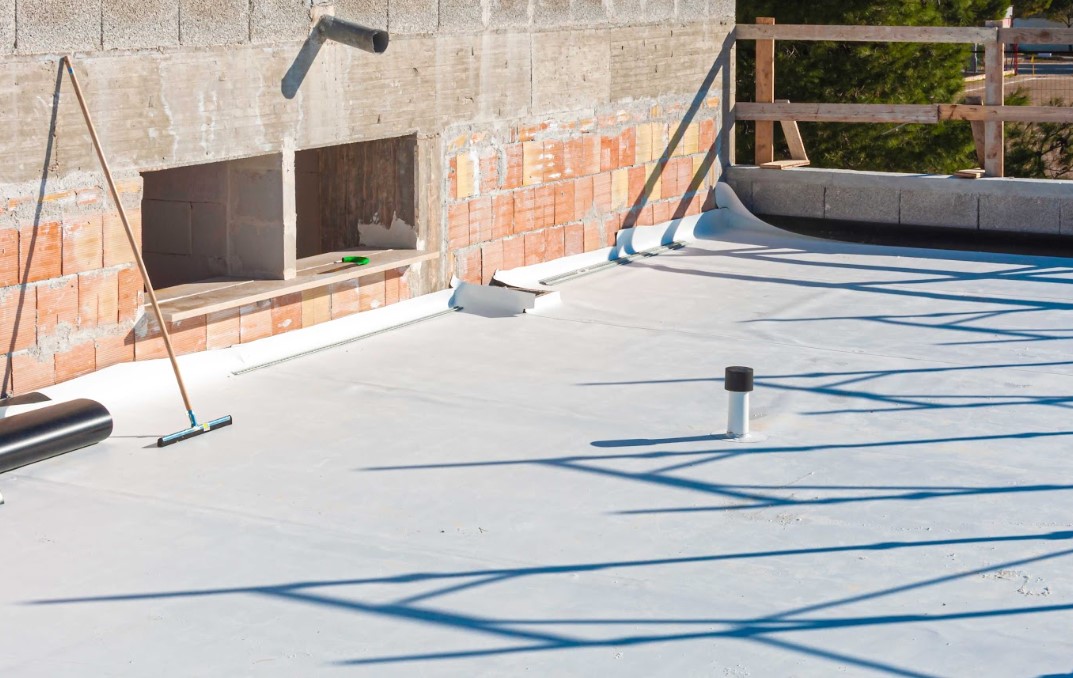
Waterproofing makes sense when the roof is mostly sound but has vulnerable areas that should be addressed before the rainy season. This may include underlayment work, roof coating on suitable flat roofs, flashing corrections, or reinforcement around common leak points.
This approach is useful when you want to handle weak areas before they become interior leaks.
Full Reroofing
A full reroof may make more sense when damage is widespread, the roof is near the end of its lifespan, or repair costs are starting to add up. If a roof has multiple leak points, aging underlayment, brittle materials, or recurring water intrusion, replacement can be the more practical long-term investment.
When we evaluate your roof, our goal is to help you choose the option that fits the roof’s actual condition, not push work you don’t need.
Deep Dive: The Roof Parts That Matter Most Before El Niño Rain
Underlayment
Underlayment is one of the most important hidden layers in a roof system. If it’s brittle, torn, or worn out, leaks can happen even when the visible roofing material still looks acceptable from the street.
This is especially important for tile roofs, where the tile gets most of the attention but the underlayment does much of the water-protection work.
Flashing
Flashing protects transitions where water is most likely to enter. Failed flashing around chimneys, skylights, walls, and vents is one of the most common causes of roof leaks during heavy rain.
Small flashing issues can be easy to miss from the ground. That’s why we pay close attention to these transition points during leak-related estimates.
Drainage
Water needs a clear path off the roof. Flat and low-slope roofs are especially sensitive to ponding water. If water sits too long, it can test seams, coatings, membranes, and weak spots.
Good drainage matters for homes, apartments, HOAs, local businesses, churches, and other properties with low-slope roof sections.
Roof Coatings
Roof coatings can help protect certain flat and low-slope roofs that are still in serviceable condition.
Pros of roof coatings:
- Can extend the life of some roofs.
- May improve reflectivity.
- Can reduce disruption compared with replacement.
- Often useful for commercial and multi-family properties.
Cons of roof coatings:
- Won’t fix rotten decking.
- Won’t solve trapped moisture.
- Not right for every roof type.
- Requires proper prep and application.
Warranties and Long-Term Value
Waterproofing decisions should include warranty expectations. Guardian Roofs offers a 50-year manufacturer warranty with Owens Corning and a 10-year workmanship warranty on full re-roofs. Financing options are also available through Wells Fargo, Synchrony, Mosaic, and Ygrene for qualifying homeowners.
During your proposal, we can walk through warranty details, available material options, and financing resources that may fit your project.
What to Expect When You Request a Leak Estimate
If you’ve searched for someone to check a roof leak near me for free, you’re likely looking for a roofer to confirm whether a small concern is serious. For Guardian Roofs, the better term is usually an estimate or proposal. Inspection language is mainly used for roof certifications.
During your estimate, we’ll review visible problem areas, ask about signs of water intrusion, explain repair options, and provide a clear proposal before work begins. If financing may help, available options can be reviewed during the visit.
Orange County Roof Waterproofing FAQs
Is July a good time to waterproof a roof?
Yes, July is a smart time to waterproof a roof because the weather is usually dry. Dry conditions make it easier to evaluate problem areas, complete repairs, and prepare for winter rain that can create active leaks.
Can El Niño cause roof leaks?
El Niño doesn’t directly cause roof leaks. It can increase the importance of preparation because heavier or more frequent rain can expose existing roof weaknesses, especially around flashing, underlayment, valleys, skylights, and low-slope areas.
Why do tile roofs leak during heavy rain?
Tile roofs leak during heavy rain when water gets past the visible tile and reaches weak underlayment, failed flashing, or damaged roof transitions. The tile may look fine while the waterproofing layer underneath has aged or failed.
Which roof areas should be checked before the rainy season?
The most important areas to check are skylights, chimneys, wall transitions, roof valleys, vents, low-slope sections, cracked tiles, lifted shingles, and any area where debris collects or water drains slowly.
Is roof coating the same as waterproofing?
No, roof coating is one waterproofing option, but it’s not the same as waterproofing the entire roof system. Coatings may help certain flat or low-slope roofs, but they won’t repair structural damage or failed underlayment.
Should I repair my roof or replace it before winter?
Repair makes sense when the damage is limited and the roof still has useful life. Replacement may be better when there are multiple leak points, widespread underlayment failure, recurring repairs, or an aging roof near the end of its service life.
Do I need a roof inspection or a roof estimate?
For most leak concerns, you need a roof estimate or proposal. Inspection language is usually better reserved for roof certifications. A roofing proposal should clearly explain the problem, repair options, materials, and pricing.
How soon should I schedule roof work before the rainy season?
Schedule roof work as early as possible during dry weather. Once storms arrive, roofing schedules fill quickly, and active leaks can limit your options. Next-day estimates may be available depending on scheduling.
Get Your Roof Ready Before the First Heavy Rain
A dry July is the right time to prepare, not the time to ignore your roof. If El Niño brings a wetter winter, small weaknesses around tiles, flashing, valleys, underlayment, and flat roof areas can quickly turn into expensive leaks.
Guardian Roofs brings decades of roofing experience, BBB A+ accreditation, strong customer reviews, Owens Corning Platinum Preferred Contractor status, GAF Master Elite certification, competitive pricing, and clear proposals for homeowners who want practical guidance before the rainy season.
Schedule your free estimate today before a small roofing problem becomes a much larger repair.
