
Property managers responsible for apartments, HOAs, and multi-family buildings need a clear understanding of roofing systems, HOA requirements, maintenance planning, and long-term costs. In Southern California, constant sun, seasonal rain, and strict community standards make roofing decisions more complex. The right strategy protects your budget. The wrong one leads to repeat repairs and expensive surprises.
If you manage properties in this region, you’ve probably seen how quickly roofing issues escalate. A small leak turns into multiple tenant complaints. A delayed repair turns into structural damage. That’s why understanding multi-family roofing, HOA roofing requirements, and roofing systems for apartment buildings is not optional. It’s part of protecting the financial health of every property you oversee.
Here’s what you’ll take away from this guide:
- How roofing for multi-family properties actually works in real-world conditions
- What HOA roofing requirements mean for your decisions and timelines
- How to choose roofing systems that hold up in Southern California
- How to avoid costly mistakes that impact your operating budget
If you want a clear path forward without overspending, Guardian Roofs can help.
Why Property Managers Need a Different Approach to Multi-Family Roofing
When you’re managing roofing for apartments, HOAs, and multi-family buildings, you’re not just dealing with a structure. You’re managing risk, compliance, and long-term costs across multiple units and stakeholders. That’s what makes property management roofing different from standard residential work.
To make informed decisions, you need to understand a few core concepts.
Multi-family roofing refers to systems designed to cover larger structures with shared roofing components. These systems must balance durability, cost-efficiency, and ease of maintenance.
HOA roofing requirements add another layer. These rules often dictate what materials you can use, how the roof must look, and when it must be replaced or maintained. Understanding HOA roofing requirements early prevents costly rework or delays.
Apartment roofing systems typically include flat or low-slope systems for larger buildings, along with tile roofing in communities where aesthetics are regulated. Each system behaves differently under stress, especially in Southern California conditions.
Locally, roofing decisions are shaped by:
- Long-term UV exposure that accelerates material breakdown
- Short but intense rainy seasons that expose drainage issues
- Energy efficiency standards that favor reflective roofing systems
- HOA guidelines that restrict material and color choices
For property managers, this means every roofing decision ties back to the same core responsibility: protecting the property while controlling long-term costs.
What Property Managers Need to Prepare Before Making Roofing Decisions
Before choosing a roofing solution, property managers need to align budgets, compliance, and long-term planning. Skipping this step is where most roofing problems begin.
Budgeting for the Full Lifecycle, Not Just the Immediate Fix
One of the most common mistakes in roofing for multi-family properties is focusing only on short-term cost. A lower upfront price often leads to higher long-term expenses.
For example, a minor repair might cost a few thousand dollars today. But if underlying issues are ignored, that same area could require a section replacement costing tens of thousands within a couple of years. Property managers who plan for lifecycle costs instead of quick fixes consistently avoid these spikes.
Navigating HOA Roofing Requirements Without Delays
Understanding HOA roofing requirements is critical before any project begins. Many HOAs require:
- Specific roofing materials
- Consistent color and appearance across buildings
- Board approval before work starts
Missing any of these steps can delay projects or force costly changes after work has already begun. For property managers, this means roofing decisions are not just technical. They are administrative and procedural as well.
Choosing Roofing Systems That Match the Property
Not all roofing systems for apartment buildings perform the same. The right system depends on building design, tenant density, and long-term plans.
Flat systems are often used for larger apartment complexes because they are cost-effective and easier to install across wide surfaces. Tile roofing is common in HOA communities where appearance matters. Roof coatings can be used to extend the life of existing systems when replacement is not immediately necessary.
Working With the Right Contractor
Property managers need a contractor who understands both construction and the operational challenges of multi-family properties. Certifications like Owens Corning Platinum Preferred Contractor and GAF Master Elite signal a higher level of expertise and accountability. More importantly, experience with HOAs and apartment complexes ensures the work is done with minimal disruption and proper planning.
Roofing Solutions Property Managers Can Rely On
When it comes to roofing solutions for property managers, the goal is not just to fix problems. It is to create systems that reduce future risk and stabilize costs.
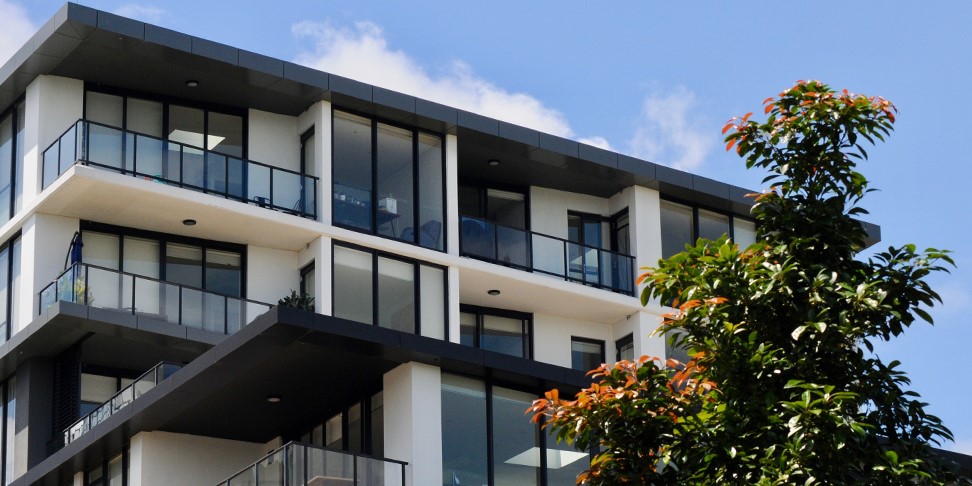
Flat Roofing Systems for Large Apartment Buildings
Flat and low-slope systems are widely used in apartment roofing because they cover large areas efficiently. Options like TPO, PVC, modified bitumen, and built-up roofing provide flexibility depending on budget and performance needs.
These systems are practical, but they require consistent maintenance. Property managers who stay ahead of inspections and minor repairs can extend the life of these systems significantly.

Tile Roofing for HOA-Managed Communities
Tile roofing is a common requirement in HOA communities. It offers long-term durability and strong resistance to sun exposure. However, what many property managers need to understand is that tile itself is not the primary failure point. The underlayment beneath the tile is what typically wears out first.
Planning for underlayment replacement as part of long-term maintenance helps avoid unexpected failures.
Roof Coatings as a Strategic Option
Roof coatings provide a way to extend the life of an existing system without committing to a full replacement. For property managers balancing budgets, this can be a practical short-term strategy.
Coatings improve energy efficiency and reduce heat absorption, which can help lower cooling costs across multi-unit buildings. However, they are not permanent solutions and must be applied at the right stage of the roof’s lifecycle.
Phased Roofing for Budget Control
Large multi-family properties often benefit from phased roofing strategies. Instead of replacing the entire roof at once, property managers can prioritize sections based on condition and risk.
This approach allows for better budget control while still addressing the most critical areas. It also reduces disruption for tenants, which is an important operational consideration.
Preventative Maintenance as a Cost-Control Strategy
Preventative maintenance is one of the most important aspects of property management roofing. Regular evaluations, drainage checks, and minor repairs can prevent small issues from becoming major expenses.
Property managers who implement consistent maintenance plans typically see lower long-term costs and fewer emergency repairs.
Real-World Example: What Happens When Roofing Decisions Are Delayed
A multi-family property delayed addressing aging roofing components to stay within budget. Initially, the issues were minor and manageable. Over time, those small problems spread across multiple units.
Within a few years, what could have been a planned replacement turned into a large-scale emergency project with significantly higher costs. This kind of situation highlights what property managers need to understand most. Delaying roofing decisions does not eliminate costs. It increases them.
Choosing Roofing Systems That Deliver Long-Term Value
For property managers, choosing the right roofing system is about balancing upfront cost with long-term performance.
Flat roofing systems are often more affordable to install and work well for large buildings. However, they require ongoing maintenance to prevent issues related to drainage and wear.
Tile roofing systems last longer and perform well in high-heat environments, making them a strong option for HOA communities. The tradeoff is higher upfront cost and the need to maintain the underlayment.
Roof coatings offer a lower-cost way to extend the life of an existing roof and improve energy efficiency. They work best as part of a broader strategy rather than a permanent fix.
Warranties also play a key role. Access to long-term manufacturer warranties and workmanship coverage provides an added layer of protection, but these benefits depend on working with qualified contractors.
How Guardian Roofs Helps Property Managers Stay Ahead
Property managers need more than a contractor. They need a clear plan and a reliable process.
Guardian Roofs works with HOAs, apartment complexes, and multi-family properties to simplify roofing decisions. From the initial estimate to project completion, the focus is on clear communication, proper planning, and long-term value.
The process includes:
- A detailed estimate outlining current conditions and options
- Guidance on materials that meet HOA requirements and budget goals
- Phased project planning when needed
- Efficient project execution to minimize disruption
- Ongoing support for maintenance and future planning
With certifications like Owens Corning Platinum Preferred and GAF Master Elite, property managers can move forward knowing the work meets high industry standards.
Need help navigating your roof financing options? Guardian Roofs can walk you through available solutions so you can move forward without straining your budget.
Multi-Family Roofing Questions Property Managers Ask Before Making a Decision
Before moving forward with any roofing project, most property managers have the same core questions. These focus on cost, responsibility, system selection, and long-term planning. Here are clear, direct answers to help you make informed decisions.
How much should property managers budget for multi-family roofing?
Property managers should budget for multi-family roofing based on both short-term repairs and long-term replacement costs. Smaller repairs may cost a few thousand dollars, while large-scale replacements for apartment or HOA properties can reach six figures depending on size, materials, and condition. Planning ahead helps avoid unexpected financial strain.
What do HOA roofing requirements usually include?
HOA roofing requirements usually include rules around materials, colors, and approval processes. Most associations require uniform appearance across all units and board approval before work begins. Understanding HOA roofing requirements early helps prevent delays and costly rework.
What roofing systems are best for apartment buildings?
The best roofing systems for apartment buildings are typically flat or low-slope systems like TPO or modified bitumen. These systems are cost-effective for large structures and easier to maintain, while tile roofing is often used in HOA communities where appearance standards apply.
How often should multi-family roofs be evaluated?
Multi-family roofs should be evaluated at least once per year, especially before the rainy season. Regular evaluations help identify minor issues early, reducing the risk of larger and more expensive repairs later.
Are roof coatings a good option for multi-family properties?
Roof coatings are a good option for multi-family properties when the existing roof is still structurally sound. They can extend the roof’s lifespan, improve energy efficiency, and delay the need for a full replacement when used at the right time.
Can roofing projects be completed in phases?
Roofing projects can be completed in phases to help property managers control costs and prioritize high-risk areas. This approach is especially useful for large apartment or HOA properties where full replacement at once may not be practical.
Why is preventative maintenance important for property managers?
Preventative maintenance is important for property managers because it reduces long-term roofing costs and prevents major issues. Regular upkeep helps extend the life of roofing systems and minimizes emergency repairs that disrupt tenants and budgets.
Final Thoughts: What Property Managers Need to Take Away
At the end of the day, what property managers need to know about roofing for apartments, HOAs, and multi-family buildings comes down to this. Every decision affects long-term costs, tenant satisfaction, and property value.
The right approach combines planning, compliance, and smart material choices. The wrong approach leads to repeated repairs and budget strain.
Guardian Roofs brings over 36 years of experience working with multi-family properties, along with top-level certifications and a straightforward approach to roofing. If you’re ready to make informed decisions and avoid costly surprises, get your no-pressure estimate today. Let’s make your roof a smart investment.
