
Most homeowners hear the phrase “storm damage” and immediately think about heavy rain, thunder, or severe weather alerts. Around Orange County, though, roofing damage often happens without any of that.
A few hours of Santa Ana winds can be enough to loosen shingles, crack roof tiles, bend flashing, or send debris across rooftops in neighborhoods throughout Anaheim, Irvine, Orange, Fullerton, and nearby communities. Sometimes the damage is obvious. More often, it stays hidden until a leak shows up weeks later.
That’s what makes wind-related roof damage so frustrating for homeowners. The roof may look completely fine from the ground while moisture slowly spreads underneath the surface.
By the time ceiling stains appear or insulation becomes damp, repair costs are usually much higher than they would have been earlier.
If your home recently experienced strong winds, this guide will help you understand:
- How wind and flying debris damage roofs without major storms
- Why Orange County homes are especially vulnerable
- The warning signs homeowners commonly miss
- When emergency roof repair becomes necessary
- How to avoid turning a smaller repair into a major expense
Guardian Roofs helps Southern California homeowners make practical roofing decisions with honest recommendations, quality workmanship, and long-term value in mind.
Why Storm Damage Happens in Orange County Without Major Storms
Storm damage without visible storms sounds unusual at first. But throughout Southern California, it’s surprisingly common.
Unlike regions that deal with hurricanes, hail, or snow buildup, Orange County roofs face a different set of conditions year-round:
- Strong Santa Ana winds
- Constant UV exposure
- Dry heat
- Airborne debris
- Aging roofing materials
Those conditions gradually wear roofing systems down. Then one windy afternoon exposes the weak points.
According to the National Weather Service, Santa Ana wind events can create gusts exceeding 40 to 60 mph across parts of Orange County. That’s more than enough force to lift shingles, shift roof tiles, loosen flashing, and send debris into vulnerable sections of the roof.
The tricky part is that many of these wind events happen during dry weather. Homeowners may not connect a roof leak weeks later to the windy conditions that caused the original damage.
That delay is one reason roof storm damage becomes expensive. Small vulnerabilities often stay hidden until moisture works its way underneath the roofing system.
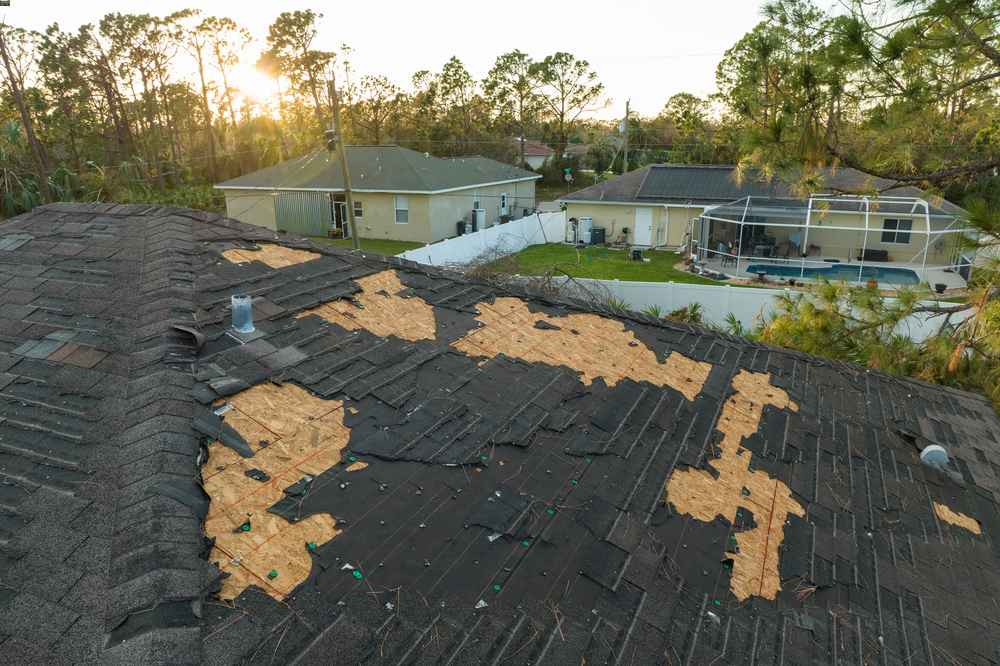
Hidden Wind Damage Often Starts Long Before Homeowners Notice It
One of the biggest misconceptions about storm-related roofing problems is that materials have to blow completely off the home before damage exists.
In reality, wind damage often starts subtly.
Shingles may partially lift without detaching. Flashing around vents or chimneys can loosen slightly. Roof tiles may crack underneath while still appearing intact from the street.
At first, none of that seems serious. But those weak points create openings for moisture intrusion later on.
We’ve seen homeowners throughout Irvine and Anaheim discover interior leaks weeks after strong winds loosened flashing around roof penetrations. From the outside, the roof looked normal. Underneath, moisture had already started affecting the underlayment and decking.
That’s why wind damage roofing problems are easy to underestimate. The visible damage is not always the real problem. Hidden moisture intrusion is.
Flying Debris Creates Damage That Often Goes Undetected
Flying debris is one of the most overlooked causes of roofing damage during Santa Ana wind events.
Even smaller objects can become dangerous once winds pick up:
- Tree branches
- Palm fronds
- Patio furniture
- Loose fencing material
- Outdoor decorations
When debris strikes a roof, the impact may not create an immediate leak. Instead, it weakens the protective layers designed to keep water out of the home.
Flying debris roof damage commonly includes:
- Cracked roof tiles
- Torn shingles
- Bent flashing
- Damaged gutters
- Punctured flat roofing membranes
- Skylight seal damage
Some of these problems remain hidden for months.
A cracked tile, for example, may allow slow moisture intrusion long before homeowners notice attic moisture or interior staining. What started as a small debris impact can eventually turn into a much larger repair.
Wind Damage Can Stay Hidden Beneath the Roofing System
One reason roof storm damage becomes expensive is because it often stays hidden after the original wind event.
A roof may appear perfectly fine while damage develops underneath the surface:
- Broken adhesive seals
- Lifted shingles
- Cracked underlayment
- Loosened flashing
- Moisture trapped beneath roofing materials
Once water enters the roofing system, the damage spreads gradually through insulation, decking, and nearby structural materials.
This is why many homeowners experience a roof leak after wind events weeks later instead of immediately afterward.
The leak is usually not the beginning of the problem. It’s the point where hidden damage finally becomes visible.
Older Roofs Are More Vulnerable to Wind and Debris Damage
Age plays a major role in how well a roof handles strong winds.
Over time, Southern California heat and UV exposure slowly break down roofing materials. Asphalt shingles become brittle. Sealants dry out. Tile underlayment weakens. Adhesives lose flexibility.
That means older roofs are often already compromised before windy conditions arrive.
Even moderate gusts can create damage when roofing materials have spent years expanding and contracting under intense heat.
Homeowners with aging roofs should pay especially close attention after windy conditions because the damage is not always easy to spot right away.
What To Do After Strong Winds Hit Your Neighborhood
Many homeowners aren’t sure what steps to take after a major wind event because there may not be obvious signs of damage.
The smartest approach is to look for smaller warning signs early before hidden problems spread further underneath the roof.
A Ground-Level Visual Check Can Reveal Early Signs of Damage
Walk around your property safely and look for:
- Missing shingles or tiles
- Roofing debris near the home
- Bent gutters
- Fallen branches
- Loose flashing
- Ceiling stains indoors
Even minor warning signs can point to larger hidden issues.
Damage Documentation Helps Prevent Insurance and Repair Delays
If you notice anything unusual, take photos right away.
Documentation can help establish when the damage occurred and support future insurance or repair discussions if problems worsen later.
DIY Roof Repairs Often Lead to More Expensive Problems
Many homeowners try to patch roof damage themselves to save money. Unfortunately, that approach often backfires.
Walking on tile roofs can crack additional tiles. Temporary patch jobs may fail during the next wind event. Hidden moisture damage is also easy to miss without roofing experience.
In many cases, DIY work increases long-term repair costs instead of reducing them.
Professional Roofing Estimates Help Catch Hidden Damage Early
Professional estimates help identify hidden roofing problems before moisture spreads underneath the system.
This is especially important after Santa Ana winds because the damage is often subtle at first. A roof may look fine while hidden vulnerabilities continue getting worse underneath.
Delaying Wind Damage Repairs Usually Leads to Higher Costs
This is where financially smart roofing decisions matter most.
Small roofing problems rarely stay small for long.
A loosened flashing section or partially lifted shingle may not seem urgent initially, but once moisture enters the roofing system, repair costs usually increase quickly.
Delayed repairs can lead to:
- Mold growth
- Interior drywall damage
- Rotting roof decking
- Damaged insulation
- Higher cooling costs
- Structural wood repairs
The cost difference can be significant.
A smaller flashing repair may cost a few hundred dollars. Water-damaged decking, insulation, and interior repairs can easily cost several thousand.
That’s why emergency roof repair is often about preventing future expenses instead of simply responding to active leaks.
Repair and Replacement Decisions Depend on the Extent of Wind Damage
Not every roof affected by wind or flying debris needs replacement.
A trustworthy roofing contractor should explain both options clearly so homeowners can make informed decisions based on the roof’s actual condition.
Repairs Often Make Sense When Damage Is Limited
Repairs are often the smarter financial option when:
- Damage is isolated
- The roof still has useful lifespan remaining
- Underlayment remains intact
- Moisture intrusion is limited
Targeted repairs can extend the roof’s lifespan while helping homeowners avoid unnecessary replacement costs.
Replacement May Make More Sense When Damage Is Widespread
Replacement may become the better long-term investment when:
- Wind damage is widespread
- The roof is near the end of its lifespan
- Multiple repair areas already exist
- Hidden moisture damage has spread underneath the system
At Guardian Roofs, the goal is simple. Help homeowners make practical, financially sound decisions instead of pushing unnecessary work.
Sometimes a targeted repair is enough. Other times replacement prevents repeated repair bills over the next several years.
How Guardian Roofs Helps Homeowners Protect Their Investment
Roof damage can feel overwhelming because the problems are often hidden and the financial stakes are high.
That’s why homeowners across Southern California trust Guardian Roofs for practical guidance, experienced workmanship, and roofing solutions backed by more than 36 years of experience.
Homeowners choose Guardian Roofs because of:
- Owens Corning Platinum Preferred Contractor status
- GAF Master Elite certification
- 50-year manufacturer warranties
- 10-year workmanship warranties
- Competitive pricing
- Next-day estimates when available
Unexpected repairs can also create financial stress. Financing options are available through Wells Fargo, Synchrony, Mosaic, and Ygrene for qualifying homeowners who need help managing roofing costs.
For homeowners researching long-term roofing value, it also helps to understand:
- How long roofs last in Southern California
- Common signs you may need roof replacement
- The difference between roof repair and full reroofing
Need help navigating your roof financing options? Contact us today for expert advice!
What Orange County Homeowners Ask About Wind Damage Roof Repair
Wind-related roof damage can be confusing because the roof may look fine from the ground even when shingles, tiles, flashing, or underlayment have been affected. These answers address the questions homeowners commonly ask after Santa Ana winds or flying debris hit their neighborhood.
Can wind damage a roof without rain?
Wind can damage a roof without rain by loosening shingles, cracking tiles, and bending flashing before water ever reaches the home. The leak often appears later, after moisture enters through those weakened areas during the next rain.
What does wind damage look like on a roof?
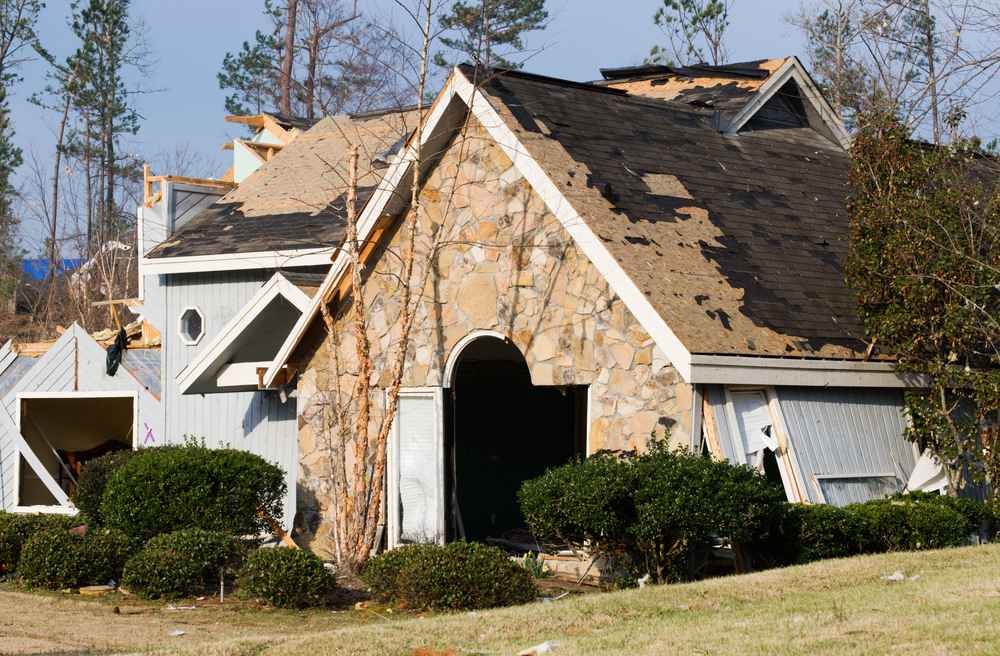
Wind damage on a roof often looks like lifted shingles, cracked roof tiles, bent flashing, missing granules, or debris impact marks. Some damage is easy to see from the ground, but hidden damage under shingles or tiles usually requires a professional roofing estimate.
How do Santa Ana winds damage Orange County roofs?
Santa Ana winds damage Orange County roofs by creating strong pressure against roofing materials already weakened by heat, UV exposure, and age. These winds can lift shingles, shift tiles, loosen flashing, and send debris into vulnerable areas of the roof.
Can flying debris cause hidden roof leaks?
Flying debris can cause hidden roof leaks when branches, patio furniture, palm fronds, or other objects crack roofing materials or damage protective layers. The roof may not leak right away, but moisture can enter later through the damaged area.
When is emergency roof repair needed after wind damage?
Emergency roof repair is needed after wind damage when you see active leaks, missing roofing materials, exposed underlayment, damaged flashing, or debris impact areas. Fast repairs help prevent water from spreading into decking, insulation, drywall, and structural materials.
How quickly should roof wind damage be repaired?
Roof wind damage should be repaired quickly because hidden moisture can spread beneath roofing materials before leaks become visible indoors. Waiting too long can turn a smaller repair into a much more expensive roofing and interior damage problem.
Does homeowners insurance cover wind-related roof damage?
Homeowners insurance may cover wind-related roof damage when the damage is sudden and tied to a covered event. Coverage depends on your policy, the age and condition of the roof, and the documentation available after the damage occurs.
Is financing available for wind damage roof repair?
Roof repair financing is available for qualifying homeowners through Guardian Roofs’ financing partners, including Wells Fargo, Synchrony, Mosaic, and Ygrene. Financing can help homeowners address wind damage sooner instead of delaying repairs and risking higher costs later.
Protect Your Roof Before Small Wind Damage Becomes a Major Expense
Storm damage without traditional storms is more common in Orange County than many homeowners realize. High winds and flying debris quietly damage roofing systems every year, especially during Santa Ana conditions.
The sooner roofing issues are identified, the more options homeowners usually have to avoid larger repair costs later.
Guardian Roofs helps Southern California homeowners make smart roofing decisions with certified expertise, quality materials, competitive pricing, and straightforward guidance built on more than three decades of experience.
Get your no-pressure estimate today before a small roofing problem becomes a much larger expense.
