
Roofing Advisor™
Powered by Guardian Roofs — Southern California’s Roofing Experts.
No pressure. No obligation. Just answers.
Ask our AI roofing advisor questions about your project, pricing, and more.
What Our Roofing Advisor Can Help You With
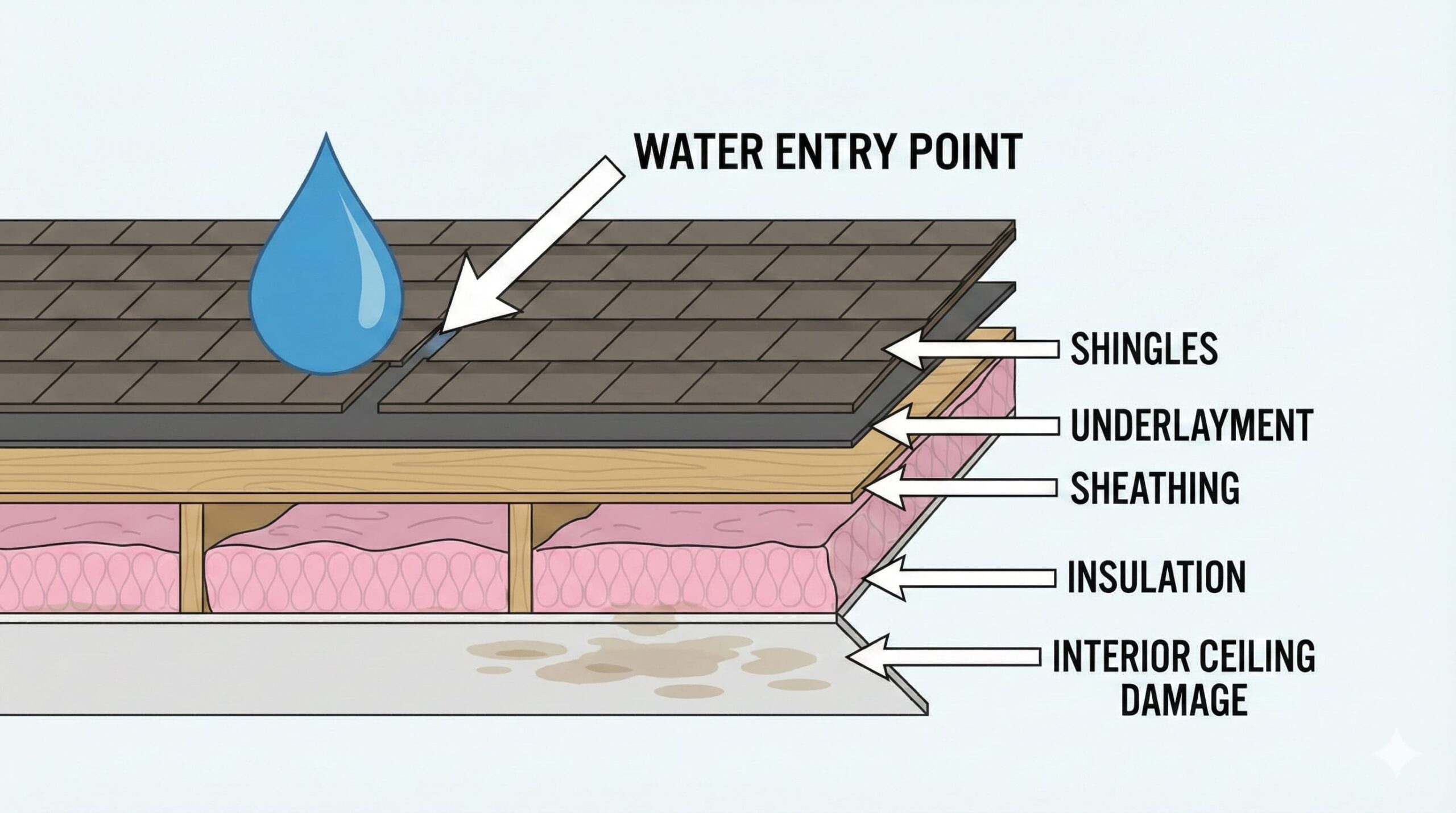
Roof Leaks
Immediate steps for water intrusion.
- What to do before the next rain
- Temporary containment measures
- Repair vs. replacement decisions
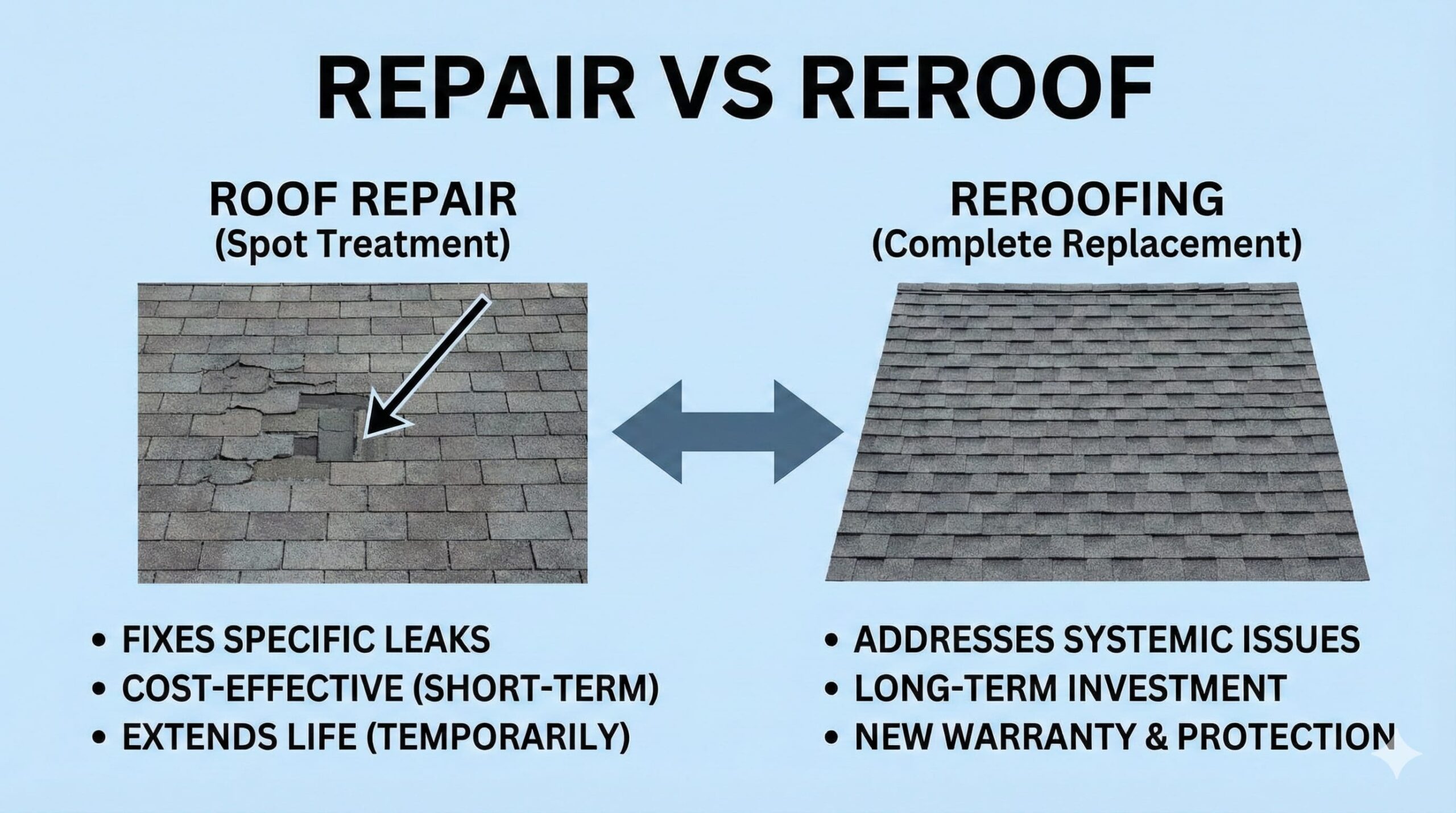
Repair vs Reroof
Is patching still a safe option?
- Assessing roof age & condition
- Identifying underlayment failure
- Patching vs. long-term reliability
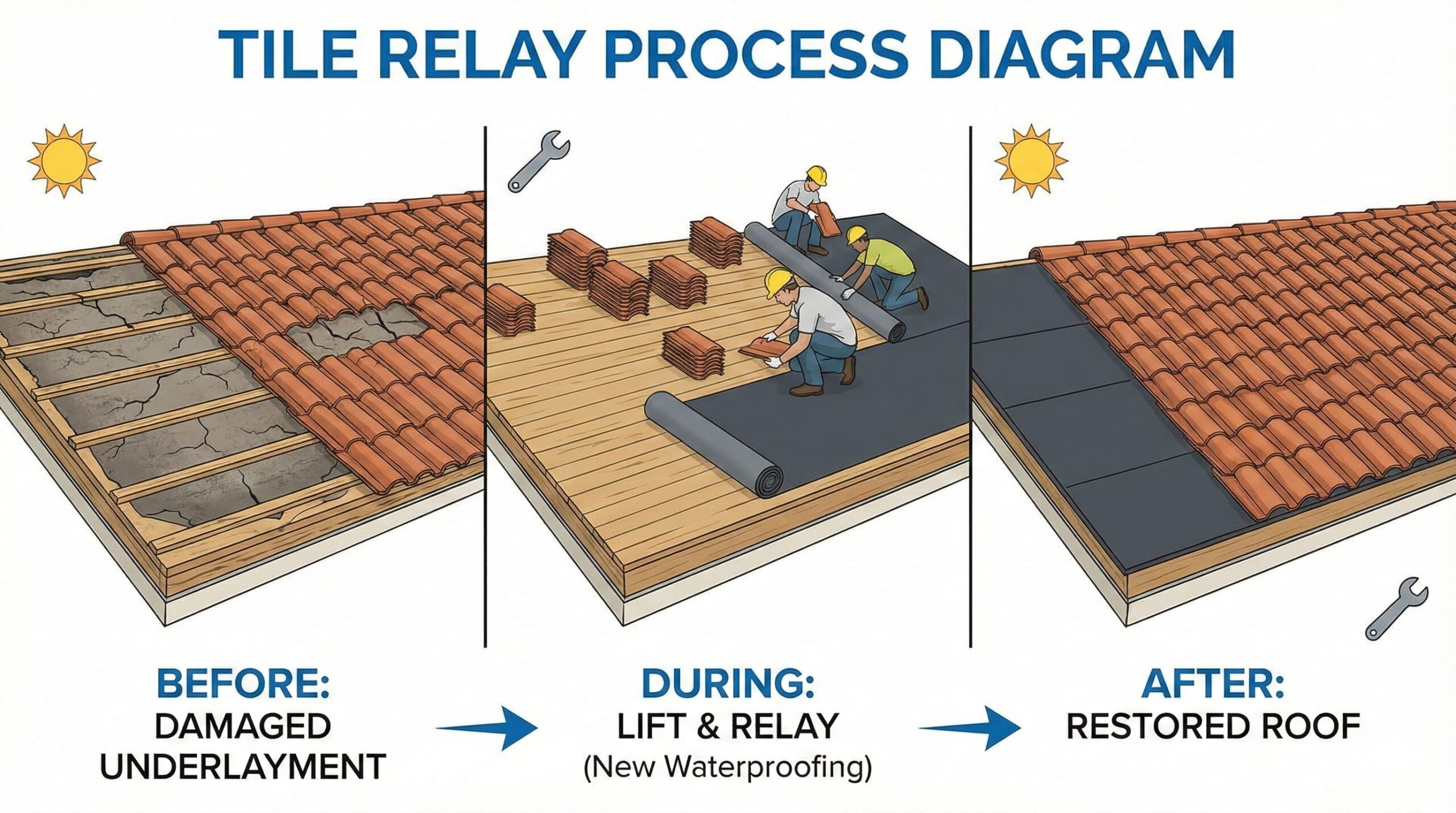
Tile Relay Specialist
Keep your tiles, replace the paper.
- Tiles last decades; paper fails sooner
- Fixing slipping tiles & dry rot
- Full reroof when tiles are damaged
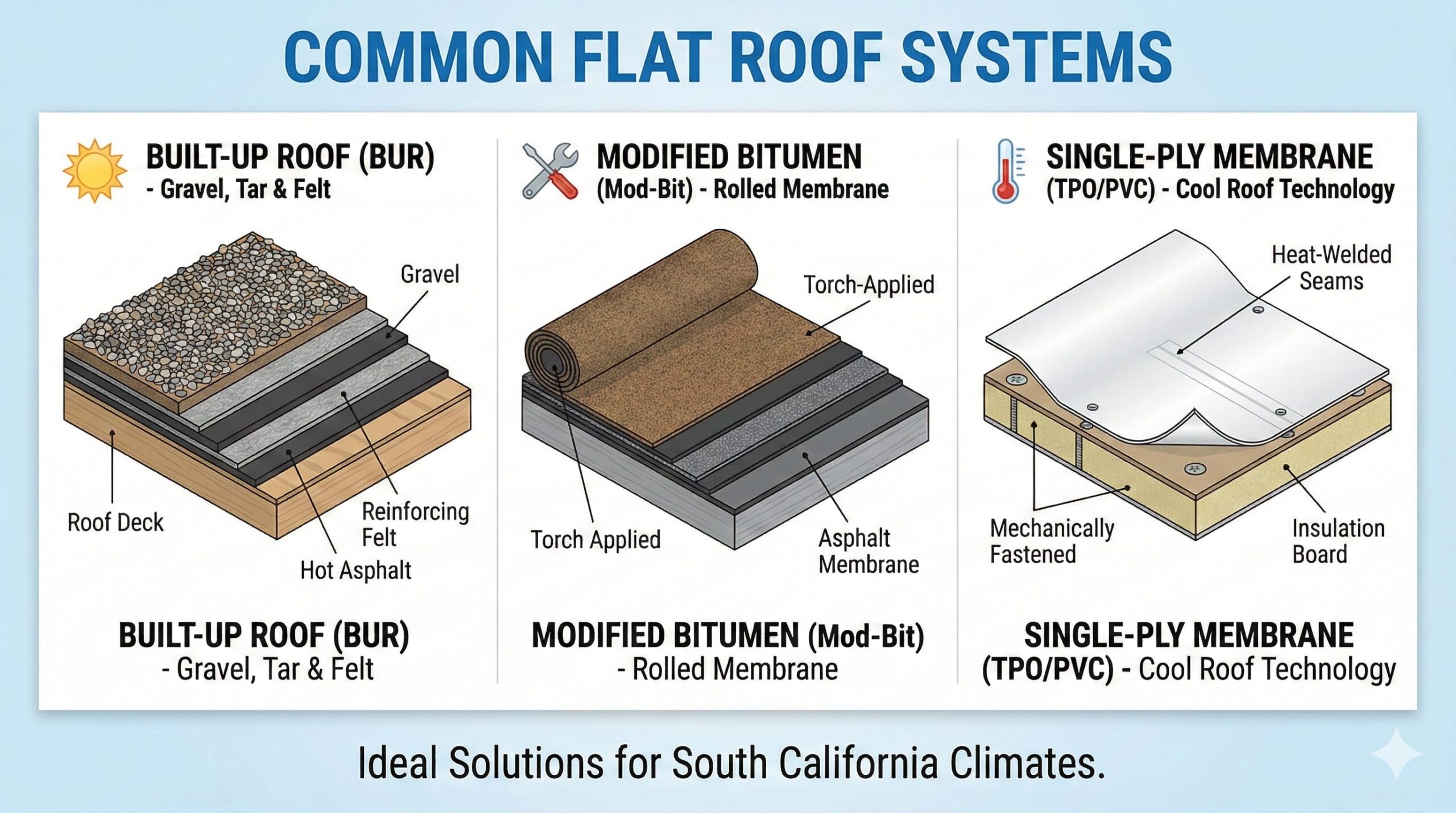
Flat Roof Systems
Solutions for ponding water.
- Solving ponding and drainage issues
- Torch-down vs. TPO comparisons
- Lifespan and maintenance needs
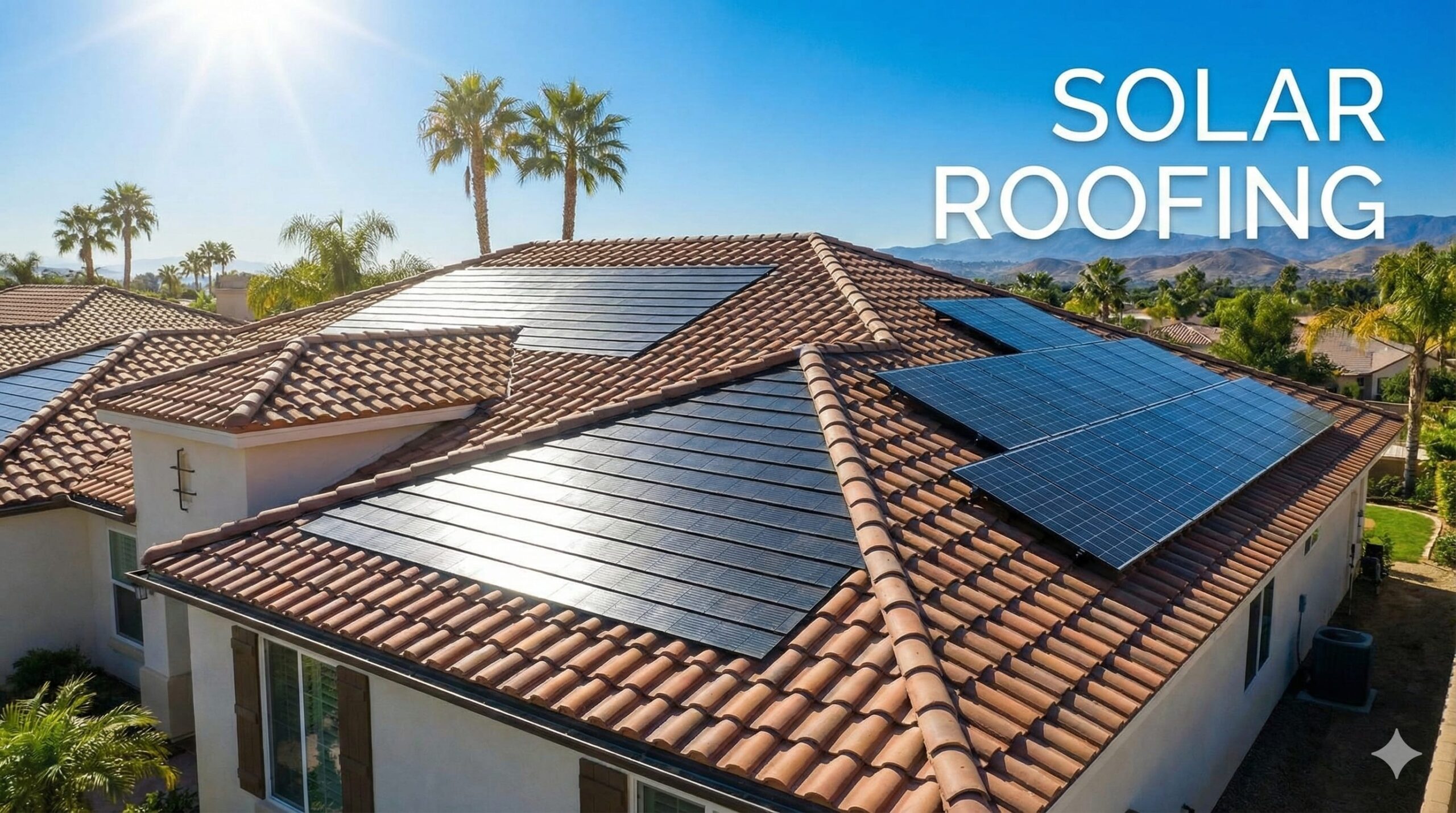
Solar Integration
Don't put new solar on an old roof.
- When to reroof before solar
- Integrated roofing + solar systems
- Avoiding removal/reinstall costs

Insurance & Warranty
Coverage for wind, storm, and age.
- Wind uplift & storm intrusion
- What is typically not covered
- Golden Pledge 50-year warranty
Search the Database (Top 50 FAQs)
Answers powered by Guardian Roofs' 40+ years of local experience.
Most Southern California shingle roofs last 20–30 years, depending on material quality, attic ventilation, and sun exposure.
A tile relay removes tiles, replaces the underlayment, fixes dry rot or flashings, and reinstalls tiles. Tiles are reusable; underlayment is not.
If leaks are isolated, repairs may be fine. If the roof is older or deteriorated in multiple areas, reroofing is more reliable.
Tile underlayment typically lasts 20–30 years in Southern California.
Yes — most concrete or clay tiles can be reused during a relay unless they are cracked, mismatched, or structurally damaged.
Insurance may cover sudden wind or storm intrusion, but generally does not cover leaks caused by age or maintenance issues.
Costs vary, but small repairs range from $350–$2,500, depending on location, access, and materials.
Reroof pricing depends on size, pitch, layers, and material — the cost can range widely, so an inspection is recommended.
Tiles may last 50+ years, but the underlayment beneath them is the true waterproofing layer and deteriorates much sooner.
Common leak sources include: chimney flashing, skylights, valleys, wall transitions, broken tiles, lifted shingles, and deteriorated underlayment.
Flat roofs don’t leak more if properly installed, but ponding water increases risk if drainage and slope are inadequate.
A properly installed TPO roof has a lifespan of 20–30 years, depending on thickness, drainage, and exposure.
Dry rot is wood decay caused by moisture. It weakens fascia boards, rafter tails, and roof edges and needs replacement.
Flashing is waterproofing material installed at intersections and penetrations to prevent leaks — chimneys, vents, skylights, walls, and valleys.
Ridge caps are shingles or tiles installed on the roof’s peak to allow attic ventilation while keeping water out.
Yes — if your roof is near end-of-life, reroof first to avoid solar removal and reinstallation later.
Yes — but tiles must be removed, flashed, and reinstalled properly to avoid long-term intrusion issues.
Yes — if weather windows are managed properly and sections are protected during installation.
Yes, but installers need proper safety measures. Material handling is more intensive during heat waves.
Annually, especially before rainy season, to catch early issues like slipping tiles or deteriorated flashing.
A waterproof membrane used in valleys, edges, transitions, and high-risk areas. It provides an added layer of protection.
Yes — tiles are not waterproof. The underlayment beneath them is the actual waterproofing system.
Slipping tiles are caused by nail corrosion, installer error, or underlayment shrinkage. They increase leak risk.
Signs include ceiling stains, damp drywall, bubbling paint, condensation inside the lens, or flashing separation.
Replace skylights during reroofing — flashing integration is much easier and more watertight.
Proper saddle flashing, step flashing, counter flashing, and sealant maintenance are essential.
Flying embers enter vents or burn fascia. Ember-resistant vent screens are recommended near wildfire zones.
Standing water on a flat roof caused by improper slope, drainage issues, or structural deflection.
Yes — prolonged ponding accelerates membrane deterioration and creates leak pathways.
Yes — reflective roofing reduces attic temperature and air conditioning load.
A Class-A roof provides the highest fire resistance rating — required in wildfire-prone areas.
GAF’s Golden Pledge Warranty offers 50-year material and 25-year workmanship protection, exclusive to Master Elite contractors.
Yes — many warranties can transfer to new homeowners, improving real estate value.
Yes — most cities require roofing permits to ensure compliance with building code.
City inspections verify waterproofing and code compliance; manufacturer inspections verify warranty conditions.
Identify leak locations, take interior photos, look for ceiling stains or bubbling paint, and note when leaks occur (rain, mornings, etc.).
Proper attic ventilation extends roof life by reducing attic heat, decreasing moisture, and stabilizing shingle temperature.
Continuous ridge venting uses exhaust at the roof peak and intake at eaves to ensure passive attic airflow.
Yes — both material and workmanship warranties may require proper ventilation for validity.
Signs include hot attic temperatures, curling shingles, moldy insulation, or early shingle aging.
Roof valleys are high-flow drainage areas where improper flashing or debris buildup often leads to leaks.
Replace fascia when wood becomes soft, deteriorated, or water-damaged. Painting over rot does not solve structural decay.
Damage is usually discovered during tile underlayment replacement, when wood surfaces become accessible.
Costs depend on exposure — localized fascia repair may be inexpensive, while structural rafter replacement is more extensive.
Reroofing does not correct structural deflection — framing repairs may be required.
Flashing lifespan varies from 15–30 years, depending on exposure and corrosion.
Clay tile, slate, and certain metal systems have lifespans exceeding 50 years, depending on maintenance.
Cool roofing, reflective shingles, and solar integration may offer energy rebates or tax credits depending on location and program.
Immediately — water intrusion compounds damage quickly, leading to mold, dry rot, and interior repairs.
When the roof is near end-of-life, deteriorated across multiple areas, or repeatedly leaking. Ongoing patching can cost more than reroofing.