
Let’s Be Honest: Insurance Claims Can Be a Mess
You pay your premiums. Year after year. Then the wind rips a chunk off your roof in the middle of a Lake Forest storm—and suddenly your insurer acts like you’re asking for a handout. Sound familiar?
Here’s the thing: roof insurance claims in California aren’t always clear-cut. And if you’ve never filed one before? It’s easy to make the wrong move, say the wrong thing, or just plain give up.
But you don’t have to wing it. We’ve helped thousands of homeowners handle filing roof damage claims without the stress. And in this post, we’re going to show you how it all works—step by step.
No fluff. Just facts. Let’s go.
What You’ll Learn in This Post:
- What your California homeowner’s policy actually covers
- What to do before you call your insurance company
- The step-by-step claims process (in plain English)
- Why being in Lake Forest changes the game
- How Guardian Roofs helps you avoid the insurance runaround
If you need help now, Guardian Roofs is ready to back you up.
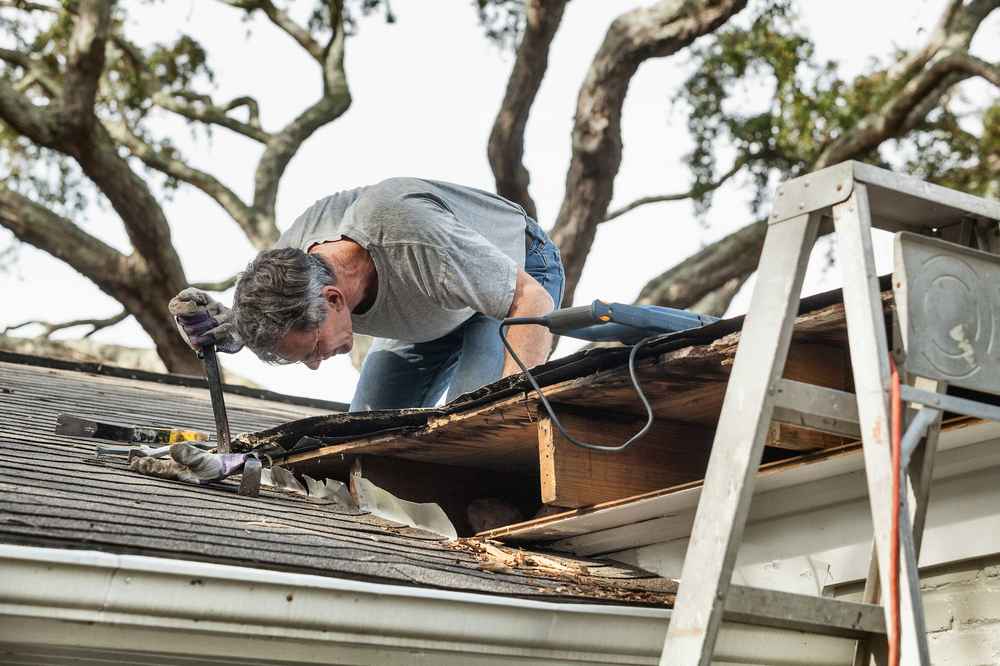
Here’s the Deal With Roof Insurance Claims in California
You’d think it would be simple: storm hits, roof breaks, insurance pays. But that’s not always how it goes.
What’s Typically Covered (and What’s Not)
Most standard homeowners’ policies in California cover roof damage caused by:
- Wind
- Storms
- Hail
- Falling trees or debris
- Fire or smoke
But here’s where people get tripped up: insurance doesn’t cover damage from age, neglect, or poor workmanship. If your roof is 25 years old and falling apart, that’s on you.
That’s why timing and documentation are everything when you’re filing a roof damage claim.
Lake Forest Has Its Own Rules
Living in Lake Forest, California, you’ve got extra layers to deal with—like wildfire zones, HOA approvals, and strict city code enforcement. All of that affects:
- What kind of roofing materials you’re allowed to use
- What your insurance company will cover
- How long the process takes
Translation: You need a contractor who knows local requirements. One mistake can slow everything down.
Before You File: What to Do First (This Part Matters)
Jumping straight to the insurance hotline might feel right—but slow down. If you want a smooth claim (and a solid payout), you need to prep first.
1. Review Your Insurance Policy
Know what kind of coverage you have:
- Actual Cash Value (ACV) means they’ll pay what your roof is worth today, after depreciation.
- Replacement Cost Value (RCV) means they’ll pay what it costs to put a brand-new roof on.
Also, check your deductible. If your deductible is $2,500 and the damage estimate is $3,000… you’re not getting much help.
2. Document the Damage
Take clear, time-stamped photos. Inside and out. Include shingles on the ground, water stains in the attic, anything that looks out of place.
Save any receipts for emergency repairs—like tarping the roof or stopping leaks.
3. Call a Local Roofing Pro
Don’t wait for the insurance adjuster to show up and start making decisions. You need a licensed contractor to do a real inspection.
At Guardian Roofs, we provide:
- Written estimates
- Detailed photos
- Damage reports in insurance-ready format
We’ve done this for over 36 years. We know what insurers want to see.
Step-by-Step: Filing a Roof Insurance Claim in California
Here’s how it works—from the first sign of damage to getting your roof fixed.
Step 1: Spot the Damage Early
Storm rolls through? Check your roof. If anything looks off—shingles missing, water stains, sagging—take pictures and call us for an inspection.
Step 2: Get a Professional Inspection
We’ll come out, inspect the whole roof, and give you a damage report tailored for your insurance company. It’s clear, honest, and detailed. No guesswork.
Step 3: Call Your Insurance Company
File the claim. Give them the damage date, explain what happened, and send over our report.
Pro tip: Be direct, not dramatic. Facts over feelings.
Step 4: Meet the Adjuster
Your insurance company will send someone to take a look. When they do, have your roofer (us) there. We’ll walk the roof with them and make sure nothing’s missed.
Step 5: Review the Offer
Once the adjuster sends the scope of work and the payout amount, compare it to our estimate. If it falls short, we’ll help you submit a supplement.
Got a gap between what insurance pays and the total cost? We’ve got financing options through Wells Fargo, Synchrony, Mosaic, and Ygrene.
Step 6: Start the Work
Once approved, we schedule the repair or full replacement. All work meets Lake Forest codes and HOA rules. We handle permits, materials, labor—you name it.
What About Roofing Materials, Warranties, and Local Rules?
Let’s go a level deeper. Because what you can install—and what insurance will pay for—aren’t always the same thing.
Roofing Materials and Coverage
| Material | Covered by Insurance? | Lifespan | Notes |
| Asphalt Shingles | Yes | 20–30 yrs | Standard option, easy approval |
| Tile (Clay/Concrete) | Yes | 40–50 yrs | Fire-safe, but heavy |
| Slate/Cedar | Sometimes | 30–75 yrs | Premium material, not always covered in full |
| Flat/TPO Roofs | Yes | 10–30 yrs | Great for additions or commercial |
Guardian Roofs helps you choose materials that are both insurance-approved and code-compliant for Lake Forest.
Warranties That Work for You
- Manufacturer Warranty: We offer up to 50 years through Owens Corning
- Workmanship Warranty: You get 10 years on full re-roofs from us
These warranties only hold up if the work’s done right—and done by a certified contractor like Guardian Roofs.
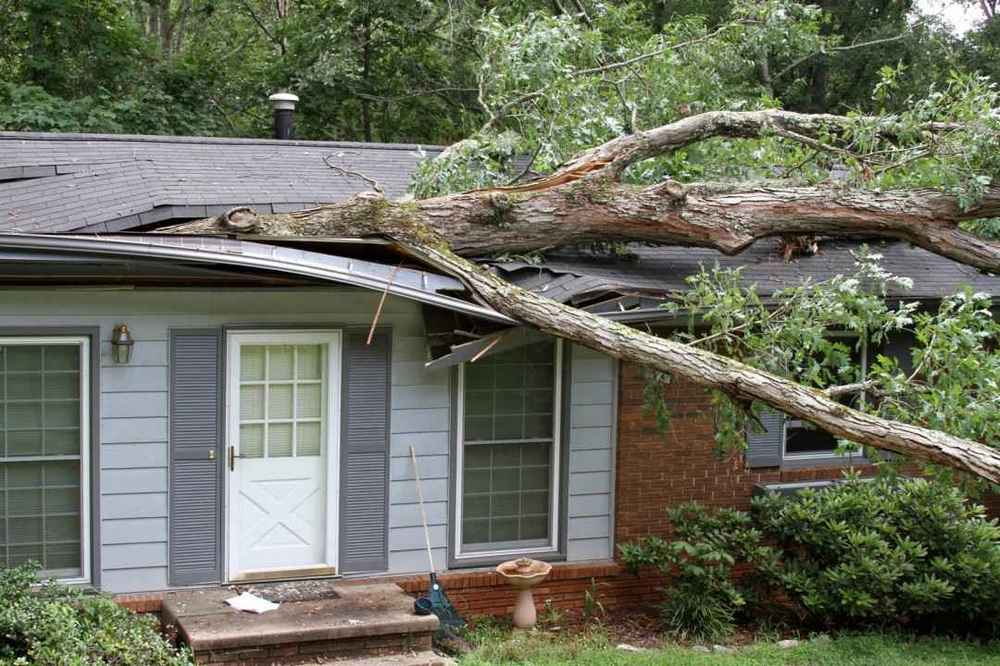
Lake Forest Roofing Insurance Claims: FAQs Homeowners Ask
If you’ve never filed a roof insurance claim before—or you had a bad experience last time—you probably have some lingering questions. That’s normal. Below are the most common things we hear from homeowners in Lake Forest when they reach out about damage, coverage, and next steps.
Does homeowners insurance cover roof damage in California?
Yes, homeowners insurance typically covers roof damage in California if the damage is sudden and accidental, such as from wind, hail, or falling trees. Damage from wear, age, or poor maintenance usually isn’t covered.
Do I have to use the roofer my insurance company recommends?
No, you don’t have to use your insurance company’s preferred contractor—you can choose your own licensed roofer. In fact, working with a local, experienced contractor like Guardian Roofs helps ensure you meet local building codes and get a fair repair estimate.
What if my insurance check doesn’t cover the full cost of the roof work?
If the insurance check doesn’t fully cover your roofing work, you can file what’s called a supplemental claim. Guardian Roofs can help you document any additional damage and submit it to your insurer, and we also offer financing if needed.
How long does the roof insurance claim process usually take?
The roof insurance claim process usually takes about 2 to 4 weeks from initial inspection to payout, depending on how quickly the damage is documented and reviewed. Having a contractor involved from the start often speeds things up.
What happens if my roof claim is denied?
If your roof claim is denied, you still have options—you can appeal the decision with more documentation or request a second inspection. Guardian Roofs frequently helps homeowners challenge denied claims by identifying overlooked damage and presenting a stronger case.
Can I upgrade my roofing material when filing an insurance claim?
Yes, you can upgrade your roofing material when filing a claim, but insurance will only pay for a like-kind replacement based on your original roof. If you choose to upgrade to a more premium material, you’ll usually pay the cost difference out of pocket.
How soon should I file a roof damage claim after noticing damage?
You should file a roof damage claim as soon as possible, ideally within 30 to 60 days of the incident. Delaying can hurt your chances of approval or make the damage worse, especially during rainy seasons in Lake Forest.
Final Thoughts: You Don’t Need to Do This Alone
Filing a roof damage insurance claim doesn’t have to be a fight. But you do need to know what you’re doing—and you need the right team on your side.
We’ve helped homeowners in Lake Forest and across California for over 36 years. We know what adjusters look for. We know the city codes. And we know how to get the job done fast and right.
So if your roof’s in trouble, don’t wait.
Schedule your free inspection today and let Guardian Roofs take the stress off your shoulders.