
Most people in Orange County aren’t thinking about roof damage when it’s 65 degrees outside. But while we may not get blizzards, winter here still brings real risk to your home—specifically, your roof. The cool nights, sudden rainstorms, and damp air are the perfect setup for trapped moisture and mold growth. And most of it starts quietly, right under your shingles or in your attic.
At Guardian Roofs, we’ve been doing this for nearly four decades. We’ve seen how mold can sneak in, weaken your roof from the inside out, and cost homeowners thousands. The good news? It’s preventable.
Here’s what we’re breaking down in this post:
- What actually causes mold and moisture damage in the winter
- Why it’s a big issue here in Orange County
- The exact steps you can take to protect your roof right now
- What you need to know before you hire a roofer
- How we help California homeowners keep their roofs mold-free year-round
Need help with your roof? Request an estimate from Guardian Roofs and we’ll walk you through everything.
Why Roof Mold Shows Up in Winter—and Why It’s a Problem
How Mold and Moisture Take Over
Here’s what happens: warm air rises through your home and hits the cooler surface of your roof. Without proper ventilation, that moisture gets trapped—usually in your attic or under your roof decking. Add a rainstorm or two, and now water is getting in from the outside too. All of that combines to create one thing: mold.
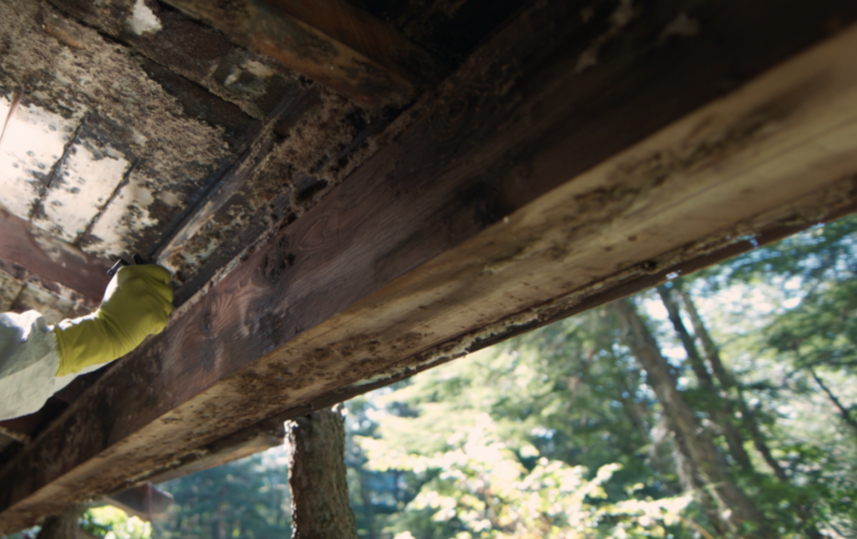
Mold is more than just ugly. It damages wood, destroys insulation, and spreads fast. If it goes untreated, you’re looking at rotted rafters, soft decking, and air quality issues inside your home.
But This Is Southern California—Isn’t This a Cold-Climate Problem?
Nope. Even with our mild weather, Orange County has its own version of winter roof problems. Here’s why:
- We get short, heavy bursts of rain—usually when roofs are least ready for it
- Temperatures drop at night, creating condensation in attic spaces
- Many homes in our area were built before newer ventilation codes
- Coastal areas deal with extra humidity, even in cooler months
So yes, roof mold prevention is just as important here as it is anywhere else—and often overlooked.
What to Know Before You Start Roof Repairs or Mold Removal
Before you call anyone (including us), it helps to understand what’s involved in this kind of work. We’re big on transparency at Guardian Roofs, so here’s what to expect:
Mold Repairs Aren’t Free, but They Beat Full Replacements
- Minor mold repairs: $500–$1,500
- Structural or widespread issues: $3,000–$8,000+
- A full roof replacement costs more—but could be necessary if the damage has spread
Permits Might Be Required
If your project involves structural repairs, replacing decking, or making big ventilation changes, you might need a permit from your city. Don’t worry—we handle all that paperwork for you.
Not All Roofing Materials Are Created Equal
- Asphalt shingles? Popular and affordable, but prone to mold if ventilation is poor
- Tile and slate? They’re great at resisting moisture, but they’re heavier and need expert installation
- Wood shake? Looks great but needs tons of maintenance—not our favorite for mold-heavy zones
Mold Prevention Starts with Ventilation
If your attic can’t breathe, your roof can’t stay dry. A big part of winter roof maintenance is making sure your ventilation system is actually doing its job. We’ll dig into that next.
5 Things You Can Do Right Now to Prevent Winter Roof Mold
1. Get a Real Roof Inspection—Not Just a Quick Glance
Don’t wait for a water spot on your ceiling. A proper roofing estimate (not a guess, not a “free checkup”) looks at the whole system—your shingles, underlayment, flashing, and ventilation.
We offer next-day estimates, depending on availability. It’s fast, detailed, and built around giving you real answers—not upsells.
2. Check Your Attic Ventilation
This is the #1 cause of roof mold we see in Orange County. Your attic should have a balance of:
- Intake vents (usually in your soffits)
- Exhaust vents (like ridge vents or attic fans)
Without proper airflow, warm air just sits there, making your insulation damp and your roof deck soggy. That’s where mold starts.
We can evaluate your ventilation and recommend simple upgrades to get it working right.
3. Keep Gutters Clean and Water Flowing
Clogged gutters trap water. Trapped water ends up under your shingles. And that means rot, leaks, and mold. Winter roof maintenance 101: clean out those gutters after every storm.
4. Look for Lifted Shingles or Cracked Flashing
Your roof might look fine from the ground—but even a few lifted shingles can let water in. The same goes for cracked or rusted flashing around chimneys, skylights, and vents.
We offer small repairs that can prevent big problems.
5. Choose Mold-Resistant Roofing Materials (Especially If You’re Re-Roofing)
We work with top-tier products from Owens Corning and GAF, and we’re certified with both. That means we can install systems with:
- Mold-resistant synthetic underlayments
- Long-lasting shingles that hold up in all weather
- Warranties that cover your roof for up to 50 years
If you’re already seeing signs of mold, ask us about your options. Sometimes targeted repair is enough. Other times, a new roof is the smart call long-term.
What Roofing Materials Handle Moisture Best in Winter?
Here’s a quick breakdown based on what we’ve seen after 36+ years in business:
| Roofing Material | Mold Resistance | Maintenance Needs | Ideal For |
| Asphalt Shingles | Medium | Moderate | Budget-conscious homes with proper ventilation |
| Tile Roofing | High | Low to moderate | Spanish-style homes; long-term durability |
| Wood Shake | Low | High | Aesthetic value only—not ideal for mold zones |
| Slate Roofing | Very High | Low | High-end homes with reinforced framing |
Bottom line? It’s not just about the material—it’s how it’s installed, ventilated, and maintained. That’s where we come in.

Common Winter Roofing Questions from Orange County Homeowners
If you’re wondering how to protect your roof from mold and moisture this winter—or what steps to take when you spot warning signs—you’re not alone. These are some of the most common roofing questions we hear from homeowners throughout Orange County during the colder months.
Can mold really grow on my roof in California?
Yes, mold can definitely grow on your roof in California. Even in Orange County’s mild climate, trapped moisture from rain, condensation, or poor ventilation can create the perfect environment for mold to spread inside your roofing system.
What are the signs of roof mold or moisture damage?
The signs of roof mold or moisture damage often include musty odors in your attic, peeling paint on ceilings or walls, higher-than-normal energy bills, or visible water stains. If you see or smell any of these issues, it’s likely your roof has moisture problems that need to be addressed.
How often should I get my roof checked in Orange County?
You should get your roof checked at least once a year in Orange County—ideally before or after the rainy season. Regular roof maintenance helps prevent small issues from becoming costly structural repairs.
Will homeowners insurance cover roof mold repairs?
In most cases, homeowners insurance won’t cover roof mold repairs caused by long-term neglect or poor maintenance. If the mold results from a sudden event, like storm damage, coverage may apply—but only if you’ve been keeping up with proper roof care.
What’s the best way to stop roof mold from coming back?
The best way to stop roof mold from coming back is by preventing moisture buildup. This means sealing leaks, improving attic ventilation, keeping gutters clean, and using mold-resistant roofing materials whenever possible.
Do you offer warranties on mold prevention or roof replacement?
Yes, Guardian Roofs offers long-term warranties on qualifying systems. We provide 50-year manufacturer warranties from top brands like Owens Corning, plus a 10-year workmanship warranty on full re-roof projects. These cover materials, installation, and give you peace of mind.
Let’s Wrap This Up: Your Winter Roof Plan
You don’t need freezing temps for winter weather to hurt your roof. Here in Orange County, mold and moisture find their way in through poor ventilation, minor leaks, and leftover fall debris. And once they’re in, the damage adds up fast.
The good news? You can stop it before it starts. Whether it’s fixing a few shingles, improving your attic ventilation, or planning a full roof upgrade—we’ve got you covered.
Guardian Roofs has been helping California homeowners since 1984. We’re certified, highly rated, and built for local weather. Let’s take care of your roof before winter gets ahead of you.
Ready to schedule your roofing estimate?
Call us at (714) 633-3619 or request a quote online.